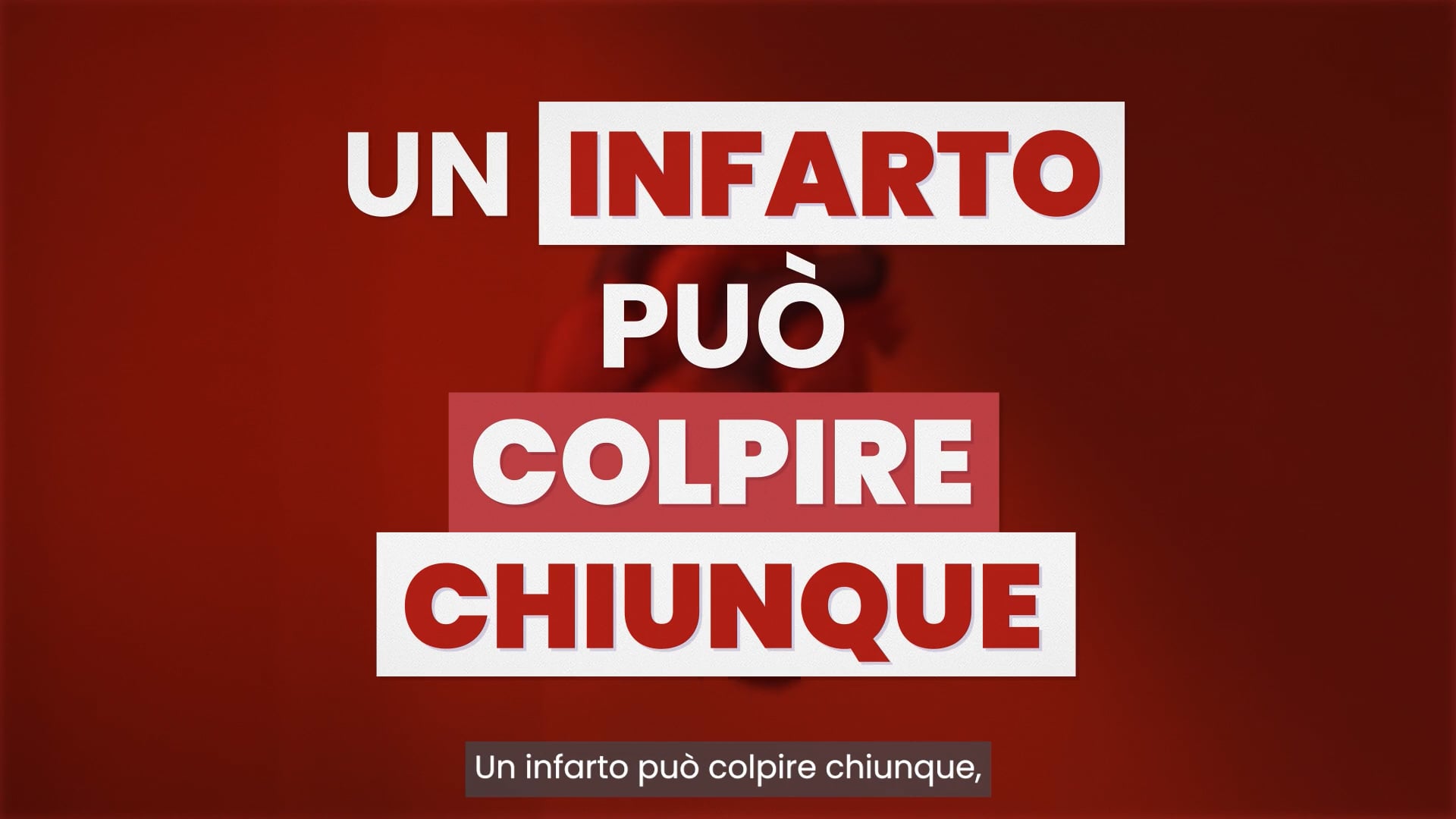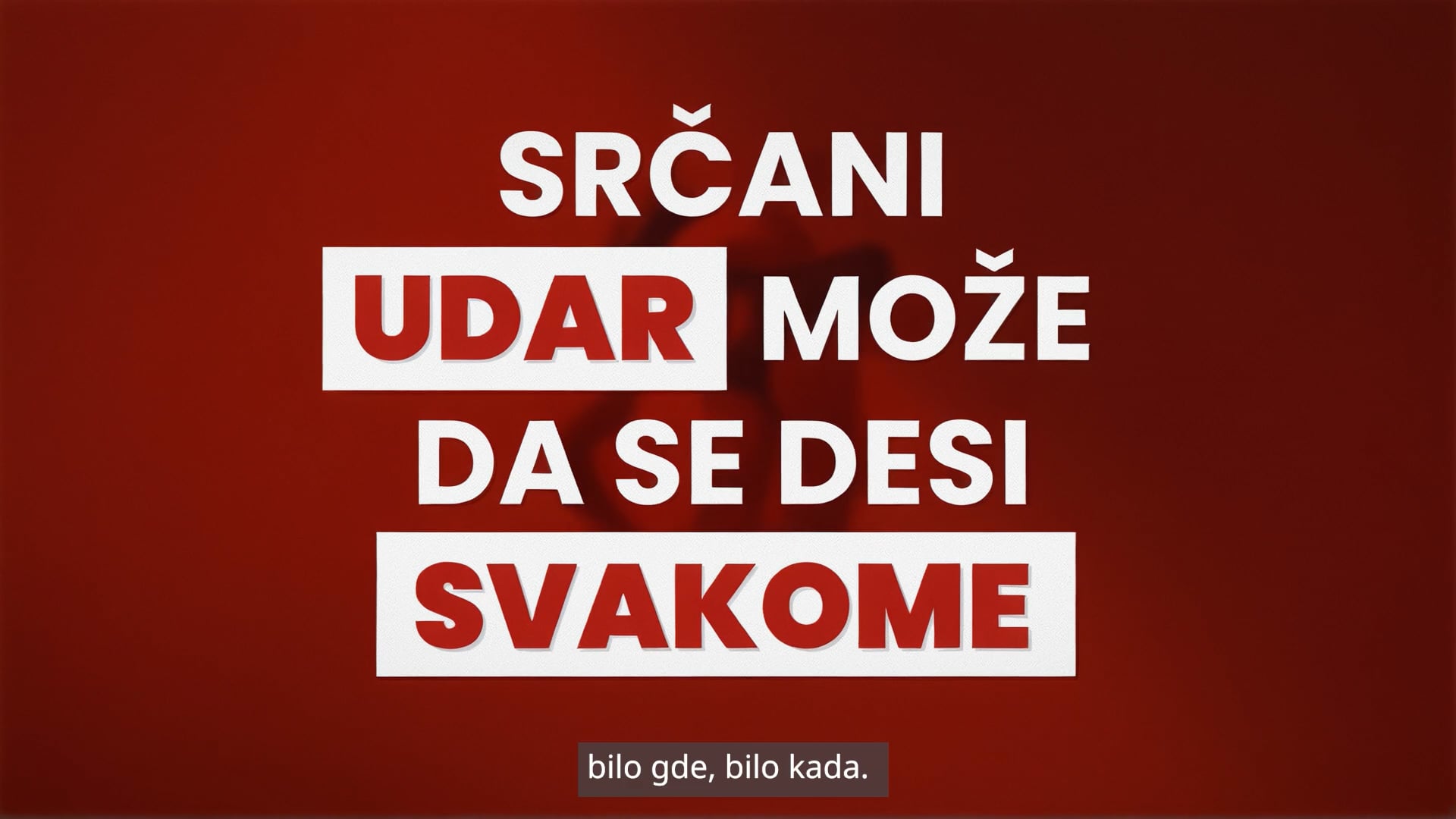

Heart attacks don't always look or feel the same, and recognising the warning signs early can save a life. 


This short animated video, developed with cardiologists Prof. Gilles Montalescot and Prof. Marco Valgimigli, explains the symptoms of a heart attack, why minutes matter, and what to do if you or someone near you experiences unusual chest discomfort. 


The video features a patient testimony, and highlights the emotional impact of a heart attack, as well as the importance of acting quickly and calling emergency services. 


You'll learn: 

  • Common and less common heart attack and recurrent heart attack symptoms 
  • How initial and recurrent symptoms can differ in women, older adults, and people with diabetes or kidney disease 
  • Why immediate action is critical 
  • That recovery is physical and emotional 


Download the accompanying infographic and share these resources to help others recognise the signs early. 


Clinical takeaways

  • Heart attack symptoms are commonly present in the chest and may radiate to the left arm or neck, but they can vary widely from person to person.
  • Women, older adults, and individuals with diabetes or kidney disease are more likely to experience less common symptoms.
  • A second heart attack may feel different, so it is important to pay attention to any unusual chest feelings or discomfort.
  • If something in your chest feels unusual or worrying and lasts more than a few minutes, call emergency services right away, because acting quickly can save your heart and your life.
  • Having one heart attack raises the chance of having another, so recognising symptoms quickly and following your care plan and lifestyle changes is essential.
  • It is normal to feel scared, worried, or low after a heart attack, and talking to your doctor, family, or a support group can make recovery easier and build confidence again.
  • Increase awareness of initial & recurrent myocardial infarction (MI) symptoms 
  • Enhance recognition and timely response to initial & recurring MI 
  • Improve understanding of initial & recurring MI risk factors 
  • Address the psychological impact of the first MI 

Gilles Montalescot is Professor of Cardiology at the Pitié Salpêtrière Hospital in Paris, France, where he heads the Department of Cardiology at the Institute of Cardiology. He is a practicing Interventional Cardiologist and has extensive experience in basic and clinical research. He has been the director of the INSERM research Unit UMRS_1166 on Thrombosis for 10 years.


Dr Montalescot has been an investigator for many of the new drugs developed in the past twenty years as well as for many of the new interventional technologies. Dr Montalescot is a senior scientist and has been the lead investigator of many national or international randomized trials including ADMIRAL, ARMADA, ALBION, STEEPLE, ARCHIPELAGO, ABOARD, ACAPULCO, ATOLL, ARCTIC, ANTARCTIC, ACCOAST, ATLANTIC, AEGEAN, AMERICA, ALBATROS, and the ongoing ATLANTIS, ALPHEUS, ARAMIS, ADRIFT trials.


Dr Montalescot is the Chairman of the ACTION study group, an Academic Research Organization based at Pitié Salpêtrière Hospital in Paris. He has served on several task force committees on antithrombotic drugs and acute coronary syndromes and is the current Chairman of the Stable Coronary Artery disease guidelines of the European Society of Cardiology.


Dr Montalescot has received several awards in his country including the J. Valade Prize from the Fondation de France and the J.Escalle award from the National Academy of Medicine. He is a member of several editorial boards and has published over 600 peer reviewed original articles in journals such as the NEJM, JAMA, Lancet. Internationally, Dr Montalescot has also been an invited speaker at plenary sessions of major congresses such as the European Society of Cardiology, the American College of Cardiology ,and the American Heart Association.

Prof. Gilles Montalescot has received financial support/sponsorship for research support, consultation, or speaker fees from the following companies:

Abbott, Acutebio, Amgen, Boehringer-Ingelheim, Celecor, Cell Prothera, Corflow, Hexacath, Idorsia, MSD, New Amsterdam, Novo Nordisk, Sanofi, SMT. 

Prof. Marco Valgimigli is an Interventional Cardiologist and Deputy Chief of Cardiology at the Cardiocentro Ticino Institute in Lugano, Switzerland and head of clinical research.  He is Professor of Medicine, Faculty of Biomedical Sciences at Università della Svizzera Italiana, Lugano, Switzerland. 


He obtained his medical degree in 1997 with Summa Cum Laude at the University of Bologna, Italy, and completed his training in internal medicine at the same university (1997-1999). He received a degree in cardiological sciences at the University of Ferrara and a PhD in interventional cardiology at Erasmus Medical Center in Rotterdam.


Prof. Valgimigli is a fellow of the European Society of Cardiology (ESC), he is part of the press committee since 2006 and vice chairman of the EAPCI research committee since 2012. He also took as member of the ESC 2013 STEMI and 2014 Revascularization guidelines. He led as principal investigators more than 20 multicenter clinical trials and served as member, section coordinator or chairperson of multiple European Society of Cardiology (ESC) guidelines.


Prof. Valgimigli has published more than 700 peer-reviewed manuscripts, with research interests spanning from coronary and structural interventions to anti-thrombotics. With an H-index of 118 in Scopus and more than 5000 citations, he has been awarded with the highly Cited Researcher title in the field of medicine since 2017.

Prof. Marco Valgimigli has received financial support/sponsorship for research support, consultation, or speaker fees from the following companies:

Abbott Vascular, Alvimedica, AstraZeneca, Biotronic, Chiesi Pharma, Concept Medical, Cordis, Corflow, Daiichi Sankyo, Idorsia, Johnson & Johnson Janssen, Novartis, Om Pharma, Swiss National Science Foundation (SNF), Terumo Inc, Vesalio, 

Heart attacks don't always look or feel the same, and recognising the warning signs early can save a life. 


This short animated video, developed with cardiologists Prof. Gilles Montalescot and Prof. Marco Valgimigli, explains the symptoms of a heart attack, why minutes matter, and what to do if you or someone near you experiences unusual chest discomfort. 


The video features a patient testimony, and highlights the emotional impact of a heart attack, as well as the importance of acting quickly and calling emergency services. 


You'll learn: 

  • Common and less common heart attack and recurrent heart attack symptoms 
  • How initial and recurrent symptoms can differ in women, older adults, and people with diabetes or kidney disease 
  • Why immediate action is critical 
  • That recovery is physical and emotional 


Download the accompanying infographic and share these resources to help others recognise the signs early. 


Clinical takeaways

  • Heart attack symptoms are commonly present in the chest and may radiate to the left arm or neck, but they can vary widely from person to person.
  • Women, older adults, and individuals with diabetes or kidney disease are more likely to experience less common symptoms.
  • A second heart attack may feel different, so it is important to pay attention to any unusual chest feelings or discomfort.
  • If something in your chest feels unusual or worrying and lasts more than a few minutes, call emergency services right away, because acting quickly can save your heart and your life.
  • Having one heart attack raises the chance of having another, so recognising symptoms quickly and following your care plan and lifestyle changes is essential.
  • It is normal to feel scared, worried, or low after a heart attack, and talking to your doctor, family, or a support group can make recovery easier and build confidence again.
  • Increase awareness of initial & recurrent myocardial infarction (MI) symptoms 
  • Enhance recognition and timely response to initial & recurring MI 
  • Improve understanding of initial & recurring MI risk factors 
  • Address the psychological impact of the first MI 

Gilles Montalescot is Professor of Cardiology at the Pitié Salpêtrière Hospital in Paris, France, where he heads the Department of Cardiology at the Institute of Cardiology. He is a practicing Interventional Cardiologist and has extensive experience in basic and clinical research. He has been the director of the INSERM research Unit UMRS_1166 on Thrombosis for 10 years.


Dr Montalescot has been an investigator for many of the new drugs developed in the past twenty years as well as for many of the new interventional technologies. Dr Montalescot is a senior scientist and has been the lead investigator of many national or international randomized trials including ADMIRAL, ARMADA, ALBION, STEEPLE, ARCHIPELAGO, ABOARD, ACAPULCO, ATOLL, ARCTIC, ANTARCTIC, ACCOAST, ATLANTIC, AEGEAN, AMERICA, ALBATROS, and the ongoing ATLANTIS, ALPHEUS, ARAMIS, ADRIFT trials.


Dr Montalescot is the Chairman of the ACTION study group, an Academic Research Organization based at Pitié Salpêtrière Hospital in Paris. He has served on several task force committees on antithrombotic drugs and acute coronary syndromes and is the current Chairman of the Stable Coronary Artery disease guidelines of the European Society of Cardiology.


Dr Montalescot has received several awards in his country including the J. Valade Prize from the Fondation de France and the J.Escalle award from the National Academy of Medicine. He is a member of several editorial boards and has published over 600 peer reviewed original articles in journals such as the NEJM, JAMA, Lancet. Internationally, Dr Montalescot has also been an invited speaker at plenary sessions of major congresses such as the European Society of Cardiology, the American College of Cardiology ,and the American Heart Association.

Prof. Gilles Montalescot has received financial support/sponsorship for research support, consultation, or speaker fees from the following companies:

Abbott, Acutebio, Amgen, Boehringer-Ingelheim, Celecor, Cell Prothera, Corflow, Hexacath, Idorsia, MSD, New Amsterdam, Novo Nordisk, Sanofi, SMT. 

Prof. Marco Valgimigli is an Interventional Cardiologist and Deputy Chief of Cardiology at the Cardiocentro Ticino Institute in Lugano, Switzerland and head of clinical research.  He is Professor of Medicine, Faculty of Biomedical Sciences at Università della Svizzera Italiana, Lugano, Switzerland. 


He obtained his medical degree in 1997 with Summa Cum Laude at the University of Bologna, Italy, and completed his training in internal medicine at the same university (1997-1999). He received a degree in cardiological sciences at the University of Ferrara and a PhD in interventional cardiology at Erasmus Medical Center in Rotterdam.


Prof. Valgimigli is a fellow of the European Society of Cardiology (ESC), he is part of the press committee since 2006 and vice chairman of the EAPCI research committee since 2012. He also took as member of the ESC 2013 STEMI and 2014 Revascularization guidelines. He led as principal investigators more than 20 multicenter clinical trials and served as member, section coordinator or chairperson of multiple European Society of Cardiology (ESC) guidelines.


Prof. Valgimigli has published more than 700 peer-reviewed manuscripts, with research interests spanning from coronary and structural interventions to anti-thrombotics. With an H-index of 118 in Scopus and more than 5000 citations, he has been awarded with the highly Cited Researcher title in the field of medicine since 2017.

Prof. Marco Valgimigli has received financial support/sponsorship for research support, consultation, or speaker fees from the following companies:

Abbott Vascular, Alvimedica, AstraZeneca, Biotronic, Chiesi Pharma, Concept Medical, Cordis, Corflow, Daiichi Sankyo, Idorsia, Johnson & Johnson Janssen, Novartis, Om Pharma, Swiss National Science Foundation (SNF), Terumo Inc, Vesalio, 

Heart attacks don't always look or feel the same, and recognising the warning signs early can save a life. 


This short animated video, developed with cardiologists Prof. Gilles Montalescot and Prof. Marco Valgimigli, explains the symptoms of a heart attack, why minutes matter, and what to do if you or someone near you experiences unusual chest discomfort. 


The video features a patient testimony, and highlights the emotional impact of a heart attack, as well as the importance of acting quickly and calling emergency services. 


You'll learn: 

  • Common and less common heart attack and recurrent heart attack symptoms 
  • How initial and recurrent symptoms can differ in women, older adults, and people with diabetes or kidney disease 
  • Why immediate action is critical 
  • That recovery is physical and emotional 


Download the accompanying infographic and share these resources to help others recognise the signs early. 


Clinical takeaways

  • Heart attack symptoms are commonly present in the chest and may radiate to the left arm or neck, but they can vary widely from person to person.
  • Women, older adults, and individuals with diabetes or kidney disease are more likely to experience less common symptoms.
  • A second heart attack may feel different, so it is important to pay attention to any unusual chest feelings or discomfort.
  • If something in your chest feels unusual or worrying and lasts more than a few minutes, call emergency services right away, because acting quickly can save your heart and your life.
  • Having one heart attack raises the chance of having another, so recognising symptoms quickly and following your care plan and lifestyle changes is essential.
  • It is normal to feel scared, worried, or low after a heart attack, and talking to your doctor, family, or a support group can make recovery easier and build confidence again.
  • Increase awareness of initial & recurrent myocardial infarction (MI) symptoms 
  • Enhance recognition and timely response to initial & recurring MI 
  • Improve understanding of initial & recurring MI risk factors 
  • Address the psychological impact of the first MI 

Gilles Montalescot is Professor of Cardiology at the Pitié Salpêtrière Hospital in Paris, France, where he heads the Department of Cardiology at the Institute of Cardiology. He is a practicing Interventional Cardiologist and has extensive experience in basic and clinical research. He has been the director of the INSERM research Unit UMRS_1166 on Thrombosis for 10 years.


Dr Montalescot has been an investigator for many of the new drugs developed in the past twenty years as well as for many of the new interventional technologies. Dr Montalescot is a senior scientist and has been the lead investigator of many national or international randomized trials including ADMIRAL, ARMADA, ALBION, STEEPLE, ARCHIPELAGO, ABOARD, ACAPULCO, ATOLL, ARCTIC, ANTARCTIC, ACCOAST, ATLANTIC, AEGEAN, AMERICA, ALBATROS, and the ongoing ATLANTIS, ALPHEUS, ARAMIS, ADRIFT trials.


Dr Montalescot is the Chairman of the ACTION study group, an Academic Research Organization based at Pitié Salpêtrière Hospital in Paris. He has served on several task force committees on antithrombotic drugs and acute coronary syndromes and is the current Chairman of the Stable Coronary Artery disease guidelines of the European Society of Cardiology.


Dr Montalescot has received several awards in his country including the J. Valade Prize from the Fondation de France and the J.Escalle award from the National Academy of Medicine. He is a member of several editorial boards and has published over 600 peer reviewed original articles in journals such as the NEJM, JAMA, Lancet. Internationally, Dr Montalescot has also been an invited speaker at plenary sessions of major congresses such as the European Society of Cardiology, the American College of Cardiology ,and the American Heart Association.

Prof. Gilles Montalescot has received financial support/sponsorship for research support, consultation, or speaker fees from the following companies:

Abbott, Acutebio, Amgen, Boehringer-Ingelheim, Celecor, Cell Prothera, Corflow, Hexacath, Idorsia, MSD, New Amsterdam, Novo Nordisk, Sanofi, SMT. 

Prof. Marco Valgimigli is an Interventional Cardiologist and Deputy Chief of Cardiology at the Cardiocentro Ticino Institute in Lugano, Switzerland and head of clinical research.  He is Professor of Medicine, Faculty of Biomedical Sciences at Università della Svizzera Italiana, Lugano, Switzerland. 


He obtained his medical degree in 1997 with Summa Cum Laude at the University of Bologna, Italy, and completed his training in internal medicine at the same university (1997-1999). He received a degree in cardiological sciences at the University of Ferrara and a PhD in interventional cardiology at Erasmus Medical Center in Rotterdam.


Prof. Valgimigli is a fellow of the European Society of Cardiology (ESC), he is part of the press committee since 2006 and vice chairman of the EAPCI research committee since 2012. He also took as member of the ESC 2013 STEMI and 2014 Revascularization guidelines. He led as principal investigators more than 20 multicenter clinical trials and served as member, section coordinator or chairperson of multiple European Society of Cardiology (ESC) guidelines.


Prof. Valgimigli has published more than 700 peer-reviewed manuscripts, with research interests spanning from coronary and structural interventions to anti-thrombotics. With an H-index of 118 in Scopus and more than 5000 citations, he has been awarded with the highly Cited Researcher title in the field of medicine since 2017.

Prof. Marco Valgimigli has received financial support/sponsorship for research support, consultation, or speaker fees from the following companies:

Abbott Vascular, Alvimedica, AstraZeneca, Biotronic, Chiesi Pharma, Concept Medical, Cordis, Corflow, Daiichi Sankyo, Idorsia, Johnson & Johnson Janssen, Novartis, Om Pharma, Swiss National Science Foundation (SNF), Terumo Inc, Vesalio, 

Programme summary
Watch the video now
Share this programme
This educational programme is supported by an Independent Educational Grant from Viatris
Supporter Acknowledgement
This educational programme is supported by an Independent Educational Grant from Viatris
Endorsement
I agree that this educational programme:

Was valuable to me

1/4
Brought to you by
CORONARY CONNECT

CORONARY CONNECT is an initiative of COR2ED, supported by Independent Educational Grants from Amgen and Viatris.

Meet the experts Independent IME approved
Programme summary
Watch the video now
Share this programme
This educational programme is supported by an Independent Educational Grant from Viatris
Supporter Acknowledgement
This educational programme is supported by an Independent Educational Grant from Viatris
Endorsement
I agree that this educational programme:

Was valuable to me

1/4
Brought to you by
CORONARY CONNECT

CORONARY CONNECT is an initiative of COR2ED, supported by Independent Educational Grants from Amgen and Viatris.

Meet the experts Independent IME approved
Programme summary
Share this programme
This educational programme is supported by an Independent Educational Grant from Viatris
Supporter Acknowledgement
This educational programme is supported by an Independent Educational Grant from Viatris
Endorsement
I agree that this educational programme:

Was valuable to me

1/4
Brought to you by
CORONARY CONNECT

CORONARY CONNECT is an initiative of COR2ED, supported by Independent Educational Grants from Amgen and Viatris.

Meet the experts Independent IME approved

Other programmes of interest

conference-update Conference update
Cardiology 
Lipid management highlights from AHA 2025

Expert insights on the latest clinical trial data in lipid management

Experts
Dr Robert P. Giugliano, Prof. Ulrich Laufs
Endorsed by
Ticino Cuore Foundation 
Parole & Réaction
  • clock 6 MIN
  • calendar Nov 2025
  • Non-accredited Independent Medical Education

Educational programme supported by an Independent Educational Grant from Amgen.
ipcv Interactive Patient Case Video (IPCV)

Episode

2

of 2

episode
Cardiology 
Heart failure management in the pre- and post-discharge setting: Case study 2

Optimising multiple drugs concurrently

Experts
Prof. Alexandre Mebazaa
  • clock 15 MIN
  • calendar Oct 2023
  • Non-accredited Independent Medical Education

This educational programme is supported by an Independent Educational Grant from Roche Diagnostics.
ipcv Interactive Patient Case Video (IPCV)

Episode

1

of 2

episode
Cardiology 
Heart failure management in the pre- and post-discharge setting: Case study 1

Tolerance of guideline-directed medical therapy (GDMT)

Experts
Prof. Alexandre Mebazaa
  • clock 15 MIN
  • calendar Oct 2023
  • Non-accredited Independent Medical Education

This educational programme is supported by an Independent Educational Grant from Roche Diagnostics.
eks
EKS / On-demand webinar

Episode

1

of 3

episode
Cardiology 
Dialogue Between the Heart and the Brain: Clinical Challenges in Cardiovascular Events and Stroke

Episode 1: Cardiology and Neurology Clinical Case

Experts
Prof. Gilles Montalescot, Prof. Roberto Ferrari, Prof. Charlotte Cordonnier
  • download Downloadable
    Resources
  • clock 29 MIN
  • calendar Jul 2023
  • Non-accredited Independent Medical Education

Educational programme supported by an Independent Educational Grant from Amgen
eks
EKS / On-demand webinar

Episode

3

of 3

episode
Cardiology 
Dialogue Between the Heart and the Brain: Clinical Challenges in Cardiovascular Events and Stroke

Episode 3: Panel Discussion

Experts
Prof. Gilles Montalescot, Prof. Roberto Ferrari, Prof. Charlotte Cordonnier
  • clock 19 MIN
  • calendar Jul 2023
  • Non-accredited Independent Medical Education

Educational programme supported by an Independent Educational Grant from Amgen
eks
EKS / On-demand webinar

Episode

2

of 3

episode
Cardiology 
Dialogue Between the Heart and the Brain: Clinical Challenges in Cardiovascular Events and Stroke

Episode 2: Cardiology and Neurology Clinical Case

Experts
Prof. Gilles Montalescot, Prof. Roberto Ferrari, Prof. Charlotte Cordonnier
  • clock 22 MIN
  • calendar Jul 2023
  • Non-accredited Independent Medical Education

Educational programme supported by an Independent Educational Grant from Amgen