Extrapulmonary neuroendocrine carcinomas (EP-NECs) are aggressive, fast-growing tumours that can be challenging to diagnose and treat. This infographic clarifies the distinctions between neuroendocrine tumours (NETs) and NECs, highlighting the diagnostic hurdles, the emerging role of DLL3-targeted therapies, and key strategies for patient care.


View or download the infographic to find out more about:


  • NETs vs. NECs: Key differences in cell differentiation, growth, prognosis, and biomarker expression
  • Diagnostic Gaps: Overcoming misdiagnosis and specialist access barriers
  • DLL3 & T Cell Engagers: Visualising the mechanism of action of T cell engagers and DLL3 as a promising novel therapeutic target
  • Importance of accessing specialist advice and emotional care


Clinical takeaways

  • Neuroendocrine carcinomas (NECs) are aggressive and often subject to misdiagnosis and treatment challenges
  • NECs frequently over-express DLL3, a promising novel therapeutic target
  • Support networks are key for patient and caregiver emotional support
  1. To highlight the key differences between neuroendocrine tumours (NETs) and neuroendocrine carcinomas (NECs), to support greater awareness and disease understanding
  2. To increase awareness and understanding of the complex nature and burden of disease associated with (extra-pulmonary neuroendocrine carcinoma) EP-NEC
  3. To share perspectives from both patients and HCPs on diagnosis and treatment journeys in EP-NEC and improve understanding of potential future treatment options in EP-NEC

Meredith is a highly driven and dedicated health professional who thrives on delivering world class care to neuroendocrine cancer patients and enhancing the skills of other health professionals to deliver this care nationally and internationally. 

She has been involved in Oncology for over 40 years in metropolitan, rural, international, public, and private settings. 

Meredith joined NeuroEndocrine Cancer Australia (NECA) in 2018 in the role of national Project Officer / CRA / Telehealth Nurse. She has had principal roles in the writing of the NET GP / Nurse Education Modules and the NET Optimal Care Pathway. Meredith became the CEO of NECA in October 2022. Currently Meredith is on the Expert Advisory Group for the Australian Cancer Nurses Navigation program and the working group for Specialist Support Service. 

Areas of Advocacy in the past 18 months have been presenting at the Senate Inquiry for Equity of Access For Diagnostics and treatments for Rare and Less Common Cancers, Including Neuroendocrine Cancers and also lobbying for the Von Hippel Lindau community for the recommendation and listing of Belzutifan on the PBS.  

She is also Chair of the Finance and Risk Audit Committee and on the Board of Directors for Cancer Nurses Society of Australia (CNSA), Board of Directors for International NeuroEndocrine Cancer Alliance (INCA) President-Elect and Chair of the INCA Research Committee. 

Programme summary
Share this programme
This programme has been sponsored by Boehringer Ingelheim
Supporter Acknowledgement
This programme has been sponsored by Boehringer Ingelheim
I agree that this programme:

Was valuable to me

1/3

Other programmes of interest

podcast Video podcast
Oncology 
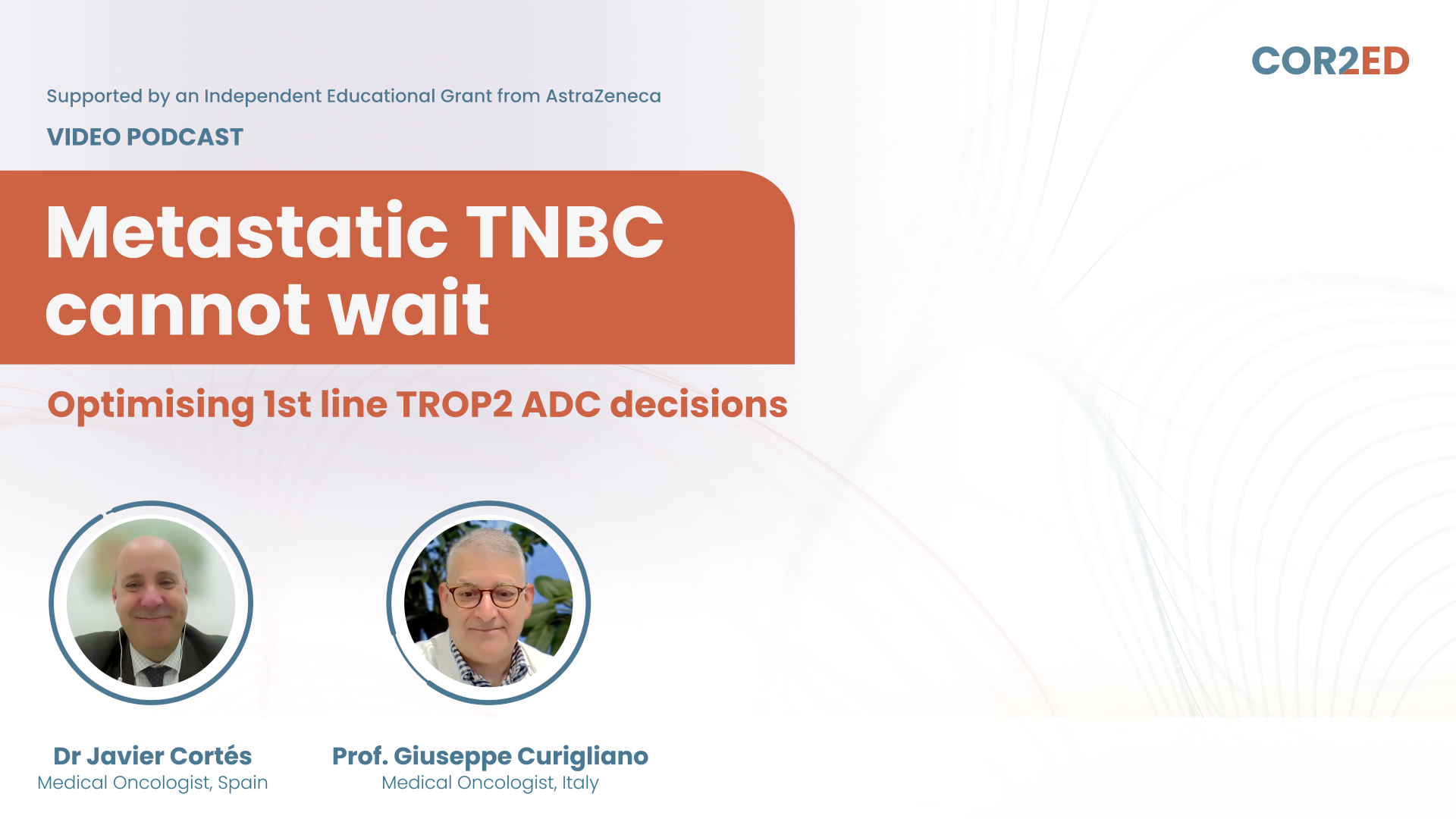
Metastatic TNBC cannot wait

Optimising 1st line TROP2 ADC decisions in metastatic triple-negative breast cancer

Experts
Prof. Giuseppe Curigliano, Prof. Javier Cortés
  • download Downloadable
    Resources
  • clock 27 MIN
  • calendar Oct 2026
  • Non-accredited Independent Medical Education

Educational programme supported by an Independent Educational Grant from AstraZeneca.
patient-support Patient SupportInfographic / Flashcard
Rare diseases 
Could it be narcolepsy?

Understanding symptoms and seeking a specialist diagnosis

Experts
Connie Landstedt, Leontien Sickenga
Endorsed by
eNAP
  • download Downloadable
    Resources
  • clock 1 MIN
  • calendar Sep 2026
  • Non-accredited Independent Medical Education

This video has been originally developed with sponsorship from UCB in 2016. The current updated version has been developed with the support of an Independent Educational Grant from Takeda.