In this conference update video, Dr Hope Rugo and Prof. Matteo Lambertini share key insights from the 14th Asia-Pacific Breast Cancer Summit (APBCS) satellite symposium, chaired by Dr Mastura, and sponsored by Menarini Stemline.


The faculty discuss 2nd line+ treatment strategies and sequencing following ET + CDK4/6i in endocrine therapy–eligible patients with ER+/HER2 metastatic breast cancer (mBC). 


Topics include: 

  • Overview of Pan-Asian and ESMO guidelines 
  • Intrinsic and acquired endocrine resistance after 1st line ET + CDK4/6i 
  • Role of biomarker-selected endocrine-based therapies and key clinical trial data 
  • Clinical relevance of ESR1 mutations and testing strategies 


Clinical takeaways

  • 2nd line treatment choices are defined by the eligibility to receive ET and are driven by biomarker status. For patients whose tumours retained endocrine-sensitivity, guidelines recommend exhausting sequential ET-based regimens 
  • RWE for elacestrant shows a consistent benefit, with ~8–11 months TTNT, aligning with the 8.6-month mPFS observed in patients with longer prior ET + CDK4/6i exposure in the EMERALD subgroup analysis 
  • In tumours retaining endocrine-sensitivity and coexisting PIK3CA and ESR1 mutations, elacestrant monotherapy can be a good option before PI3K/AKTi combination regimens, as data show similar efficacy with a manageable safety profile
  • ESR1-mut testing should be repeated at each progression on ET if previously negative, as detection rates increase over time. Blood-based ctDNA is the preferred method, while archival primary tumour tissue should be avoided, as ESR1-mut typically develop during metastatic treatment

Resident Consultant Oncologist for the Cancer Institute of Pantai Hospital Lumpur.

Consultant in various advisory boards and expert committee panels for cancer and cancer-related services in government such as good oncology practice and chemotherapy protocol guideline, as well as in private sectors. Worked with NGOs championing cancer awareness, early diagnosis and treatment.

Dr Mastura Md Yusof has received financial support/sponsorship for research support, consultation, or speaker fees from the following companies:

Zuellig, Novartis, AstraZeneca, Roche, MSD, Menarini, Juniper, Pfizer, Specialised Therapeutic

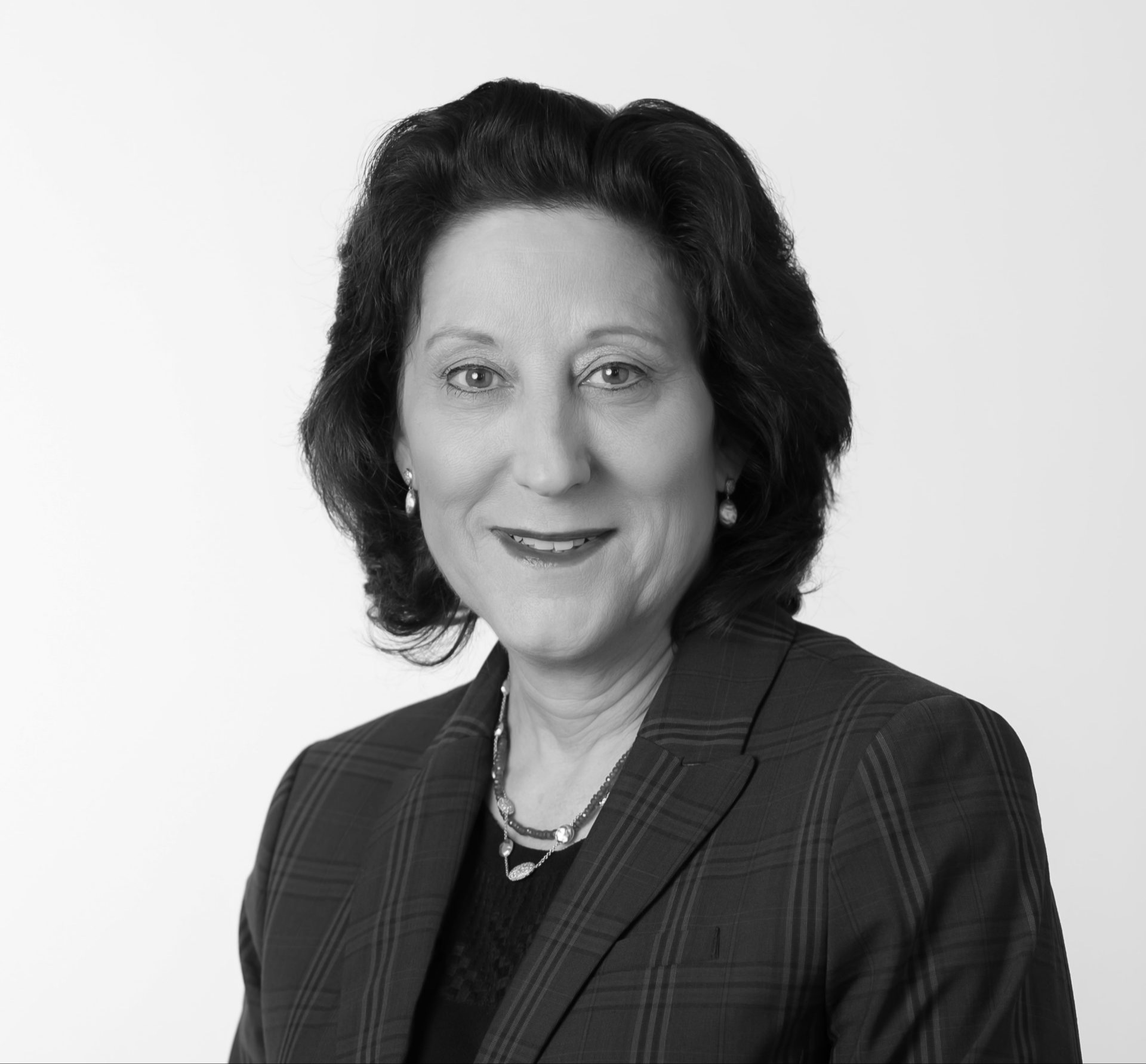
Hope S. Rugo, MD, FASCO, is a medical oncologist specializing in breast cancer research and treatment. A Professor of Medicine, Dr. Rugo joined the Breast Care Center in 1999 after a decade of experience at the University of California San Francisco (UCSF) in malignant hematology/ bone marrow transplantation. She entered the field of breast cancer in order to incorporate novel therapies with excellent quality of care into the treatment of breast cancer. Dr. Rugo graduated from the University of Pennsylvania School of Medicine in 1983. She completed a residency in internal medicine and primary care followed by a fellowship in hematology and oncology at UCSF and was a post-doctoral fellow in immunology at Stanford University. Dr. Rugo joined the
faculty at UCSF in 1990.


Dr. Rugo is the Director of Breast Oncology and Clinical Trials Education at the UCSF Helen Diller Family Comprehensive Cancer Center. She is a principal investigator of multiple clinical trials focusing on novel targeted therapeutics to improve the treatment of breast cancer, publishing widely in this area. Her research interests include immunotherapy and combinations of targeted agents to treat breast cancer, as well as management of toxicity. She is co-chair of the Safety Committee for the multicenter adaptively randomized phase II I-SPY2 trial, co-chair of the Triple Negative Working Group of the Translational Breast Cancer Research Consortium (TBCRC) and a member of the Alliance breast committee. Dr. Rugo is an active clinician and is committed to education. She has received a number of awards honoring her work.

Dr Hope S. Rugo has received financial support/sponsorship for research support, consultation, or speaker fees from the following companies:

Astellas Pharma, AstraZeneca; Daiichi Sankyo, F. Hoffmann-La Roche AG/Genentech, Gilead Sciences, GlaxoSmithKline; Lilly; Merck & Co., Novartis Pharmaceuticals Corporation, OBI Pharma, Pfizer, Pionyr Immunotherapeutics, Sermonix Pharmaceuticals, Taiho Oncology, Veru and funding for consultancy/advisory support from Puma, NAPO, Mylan, Eisai, and Daiichi
Sankyo.

Associate Professor and consultant in medical oncology at the University of Genova – IRCCS Policlinico San Martino Hospital in Genova. Member of the guideline group on fertility preservation in cancer patients for ESMO, the European Society of Human Reproduction and Embryology and the Italian Association of Medical Oncology.

Prof. Matteo Lambertini has received financial support/sponsorship for research support, consultation, or speaker fees from the following companies:

Roche, Lilly, Novartis, AstraZeneca, Pfizer, Gilead, MSD, Pierre Fabre, Menarini, Nordic Pharma, Bayer, Ipsen, Daiichi Sankyo, Takeda, Sandoz, Libbs, JCO Consultant Editor, Chair of the ESO Certificate of Competence in Breast Cancer.

Non-financial interests: Member of the executive board of the BIG; Board member of the ISFP; ASCO Annual Meeting Scientific Program Committee on the Breast Cancer – Local/Regional/ Adjuvant Track

In this conference update video, Dr Hope Rugo and Prof. Matteo Lambertini share key insights from the 14th Asia-Pacific Breast Cancer Summit (APBCS) satellite symposium, chaired by Dr Mastura, and sponsored by Menarini Stemline.


The faculty discuss 2nd line+ treatment strategies and sequencing following ET + CDK4/6i in endocrine therapy–eligible patients with ER+/HER2 metastatic breast cancer (mBC). 


Topics include: 

  • Overview of Pan-Asian and ESMO guidelines 
  • Intrinsic and acquired endocrine resistance after 1st line ET + CDK4/6i 
  • Role of biomarker-selected endocrine-based therapies and key clinical trial data 
  • Clinical relevance of ESR1 mutations and testing strategies 


Clinical takeaways

  • 2nd line treatment choices are defined by the eligibility to receive ET and are driven by biomarker status. For patients whose tumours retained endocrine-sensitivity, guidelines recommend exhausting sequential ET-based regimens 
  • RWE for elacestrant shows a consistent benefit, with ~8–11 months TTNT, aligning with the 8.6-month mPFS observed in patients with longer prior ET + CDK4/6i exposure in the EMERALD subgroup analysis 
  • In tumours retaining endocrine-sensitivity and coexisting PIK3CA and ESR1 mutations, elacestrant monotherapy can be a good option before PI3K/AKTi combination regimens, as data show similar efficacy with a manageable safety profile
  • ESR1-mut testing should be repeated at each progression on ET if previously negative, as detection rates increase over time. Blood-based ctDNA is the preferred method, while archival primary tumour tissue should be avoided, as ESR1-mut typically develop during metastatic treatment 

Resident Consultant Oncologist for the Cancer Institute of Pantai Hospital Lumpur.

Consultant in various advisory boards and expert committee panels for cancer and cancer-related services in government such as good oncology practice and chemotherapy protocol guideline, as well as in private sectors. Worked with NGOs championing cancer awareness, early diagnosis and treatment.

Dr Mastura Md Yusof has received financial support/sponsorship for research support, consultation, or speaker fees from the following companies:

Zuellig, Novartis, AstraZeneca, Roche, MSD, Menarini, Juniper, Pfizer, Specialised Therapeutic

Hope S. Rugo, MD, FASCO, is a medical oncologist specializing in breast cancer research and treatment. A Professor of Medicine, Dr. Rugo joined the Breast Care Center in 1999 after a decade of experience at the University of California San Francisco (UCSF) in malignant hematology/ bone marrow transplantation. She entered the field of breast cancer in order to incorporate novel therapies with excellent quality of care into the treatment of breast cancer. Dr. Rugo graduated from the University of Pennsylvania School of Medicine in 1983. She completed a residency in internal medicine and primary care followed by a fellowship in hematology and oncology at UCSF and was a post-doctoral fellow in immunology at Stanford University. Dr. Rugo joined the
faculty at UCSF in 1990.


Dr. Rugo is the Director of Breast Oncology and Clinical Trials Education at the UCSF Helen Diller Family Comprehensive Cancer Center. She is a principal investigator of multiple clinical trials focusing on novel targeted therapeutics to improve the treatment of breast cancer, publishing widely in this area. Her research interests include immunotherapy and combinations of targeted agents to treat breast cancer, as well as management of toxicity. She is co-chair of the Safety Committee for the multicenter adaptively randomized phase II I-SPY2 trial, co-chair of the Triple Negative Working Group of the Translational Breast Cancer Research Consortium (TBCRC) and a member of the Alliance breast committee. Dr. Rugo is an active clinician and is committed to education. She has received a number of awards honoring her work.

Dr Hope S. Rugo has received financial support/sponsorship for research support, consultation, or speaker fees from the following companies:

Astellas Pharma, AstraZeneca; Daiichi Sankyo, F. Hoffmann-La Roche AG/Genentech, Gilead Sciences, GlaxoSmithKline; Lilly; Merck & Co., Novartis Pharmaceuticals Corporation, OBI Pharma, Pfizer, Pionyr Immunotherapeutics, Sermonix Pharmaceuticals, Taiho Oncology, Veru and funding for consultancy/advisory support from Puma, NAPO, Mylan, Eisai, and Daiichi
Sankyo.

Associate Professor and consultant in medical oncology at the University of Genova – IRCCS Policlinico San Martino Hospital in Genova. Member of the guideline group on fertility preservation in cancer patients for ESMO, the European Society of Human Reproduction and Embryology and the Italian Association of Medical Oncology.

Prof. Matteo Lambertini has received financial support/sponsorship for research support, consultation, or speaker fees from the following companies:

Roche, Lilly, Novartis, AstraZeneca, Pfizer, Gilead, MSD, Pierre Fabre, Menarini, Nordic Pharma, Bayer, Ipsen, Daiichi Sankyo, Takeda, Sandoz, Libbs, JCO Consultant Editor, Chair of the ESO Certificate of Competence in Breast Cancer.

Non-financial interests: Member of the executive board of the BIG; Board member of the ISFP; ASCO Annual Meeting Scientific Program Committee on the Breast Cancer – Local/Regional/ Adjuvant Track

Programme summary
Watch the video now
Share this programme
This programme has been sponsored by Menarini Stemline and is intended for HCPs only 
Supporter Acknowledgement
This programme has been sponsored by Menarini Stemline and is intended for HCPs only 
I agree that this programme:

Was valuable to me

1/3
Programme summary
Share this programme
This programme has been sponsored by Menarini Stemline and is intended for HCPs only 
Supporter Acknowledgement
This programme has been sponsored by Menarini Stemline and is intended for HCPs only 
I agree that this programme:

Was valuable to me

1/3

Other programmes of interest

publication Scientific Publication
Oncology 
ADCs in HER2+ metastatic breast cancer and management of adverse events

Consensus-based guidance for clinicians and patients

Experts
Prof. Javier Cortés, Prof. Giuseppe Curigliano, Prof. Shaheenah Dawood, Dr Grażyna Suchodolska, Dr Sara Tolaney, Carla Whitbread
Endorsed by
EONS - European Oncology Nursing Society Europa Donna
  • download Downloadable
    Resources
  • clock 20 MIN
  • calendar Feb 2026
  • Non-accredited Independent Medical Education

Educational programme supported by an Independent Educational Grant from AstraZeneca
podcast Video podcast
Oncology 
Metastatic breast cancer: Understanding HER2-low and HER2-ultralow classification

A novel therapeutic framework 

Experts
Dr Komal Jhaveri, Oncology Brothers (Moderators)
  • download Downloadable
    Resources
  • clock 25 MIN
  • calendar Dec 2025
  • Non-accredited Independent Medical Education

Educational programme supported by an Independent Educational Grant from AstraZeneca 
patient-support Patient Support

Episode

2

of 2

episode
Oncology Endocrinology Rare diseases 
Thriving beyond an EP-NEC diagnosis

Perspectives on treatment and care 

Experts
Jessica Thomas
Endorsed by
NET-Research-Foundation Minkhas mission
  • clock 4 MIN
  • calendar Dec 2025
  • Non-accredited Independent Medical Education

Educational programme supported by an Independent Educational Grant from Boehringer Ingelheim 
patient-support Patient Support

Episode

1

of 2

episode
Oncology Endocrinology Rare diseases 
Navigating extrapulmonary neuroendocrine carcinoma (EP-NEC)

Insights for patients and care partners 

Experts
Meredith Cummins
Endorsed by
INCA
NeuroEndocrine Cancer Australia Neuroendocrine Cancer Foundation NET-Research-Foundation
Neuroendocrine Cancer UK Minkhas mission
  • clock 5 MIN
  • calendar Dec 2025
  • Non-accredited Independent Medical Education

Educational programme supported by an Independent Educational Grant from Boehringer Ingelheim 
eks
EKS / On-demand webinar
Oncology 
ESMO 2025: Gastric and gastroesophageal cancer insights for clinical practice

On-demand materials from an Experts Knowledge Share event

Experts
Dr Elizabeth Smyth, Prof. Aziz Zaanan, Prof. Markus Moehler
Endorsed by
ESDO
Digestive Cancers Europe
ICAN international cancer advocacy network
  • download Downloadable
    Resources
  • clock 67 MIN
  • calendar Dec 2025
  • Non-accredited Independent Medical Education

Educational programme supported by an Independent Educational Grant from Amgen.