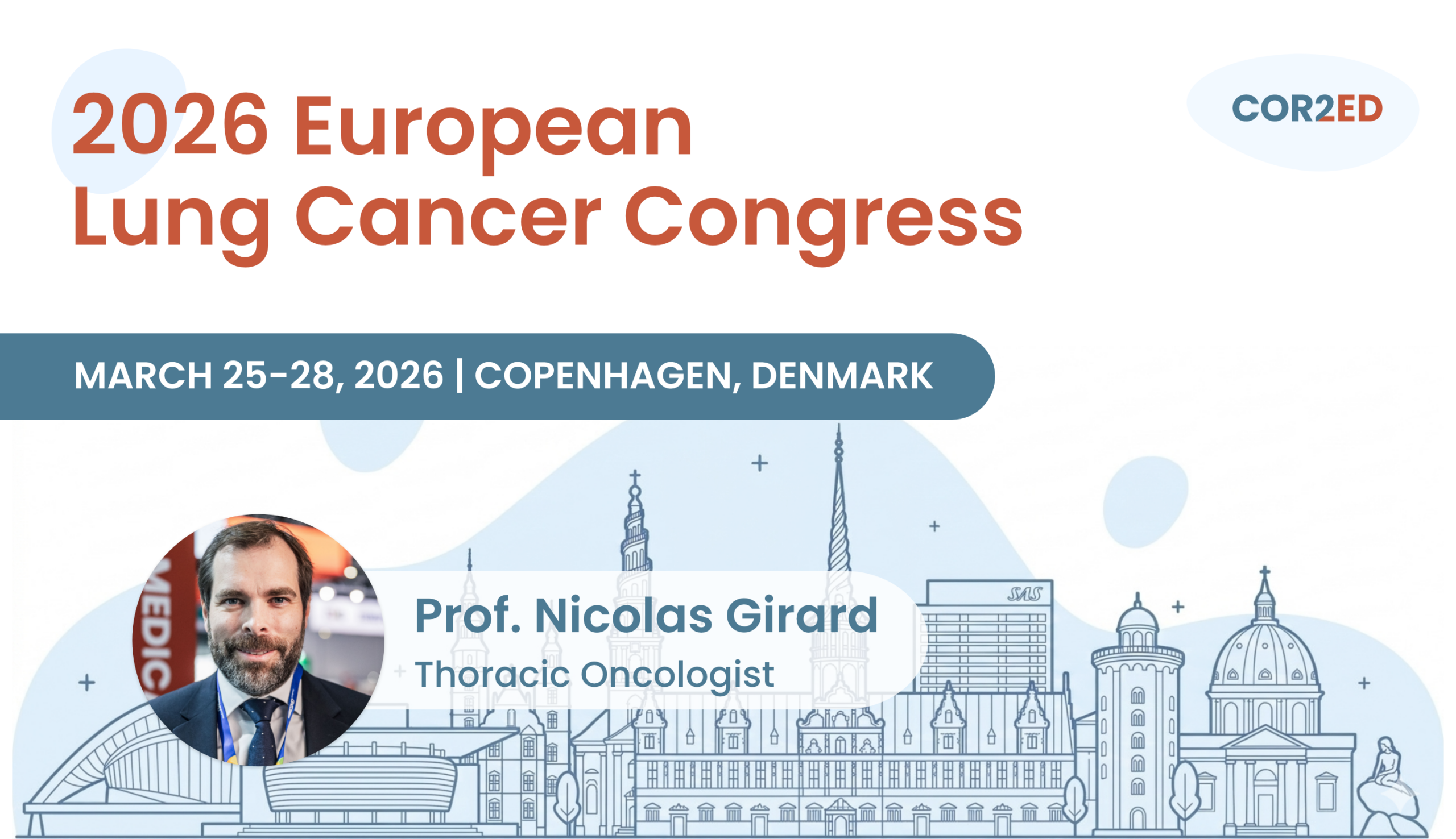

Profs Domenica Lorusso and Jean-Sebastien Frenel share expert insights on the PYNNACLE Phase 2 interim analysis at ESGO 2026. The PYNNACLE study evaluates rezatapopt*, a first-in-class p53 reactivator, in TP53 Y220C–mutant advanced solid tumours, including ovarian cancer.


In this video, the experts discuss: 

  • TP53, the Y220C variant, and the rationale for mutant p53 reactivation 
  • Study overview and practice implications, spotlighting ovarian cancer 
  • Testing strategies for early and accurate patient identification 


Clinical takeaways

  • Rezatapopt is a first-in-class investigational p53 reactivator that selectively binds to the mutated p53 Y220C protein, stabilising its structure to restore wild-type tumour suppressor activity   
  • Rezatapopt demonstrates rapid, durable and broad antitumour activity in heavily pretreated patients with TP53 Y220C-mutated advanced ovarian cancer, where effective targeted therapies and biomarkers are limited  
  • Looking ahead, it will be important to prioritise early and accurate identification through up-front comprehensive genomic profiling using NGS with TP53 gene coverage. Tissue is preferred; when tissue is limited, selected ctDNA assays capable of excluding CHIP may be used 


*Rezatapopt is an investigational agent which is not approved by a regulatory agency

  • Educate on the role of TP53 as a tumour suppressor gene, its mutation in cancer, and the significance of the Y220C variant​
  • Highlight the importance of treating cancers based on genomic mutations​
  • Emphasise the need for genomic testing to identify patients with the TP53 Y220C mutation​
  • Educate clinicians on the ongoing clinical trials, such as the PYNNACLE trial

Prof. Domenica "Ketta" Lorusso obtained her degree in Medicine and Surgery in 1995, her residency in Obstetrics and Gynecology in 1999 and her PhD in Obstetrics and Gynecology in 2003. She is currently Associate Professor of Obstetrics and Gynecology at the Catholic University of Rome and responsible for clinical research at Fondazione Policlinico Gemelli IRCCS.

She is an active member of the European Network of Gynaecological Oncological Trial groups (ENGOT), where she leads the Gynecological Cancer Academy (since 2020). Dr Lorusso is a member of the Board of Directors of the Gynecologic Cancer InterGroup (GCIG), where she is the past chair of the Endometrial Cancer Committee and the Nomination and Meeting Committee. Currently, she is a member of the ESGO Council and scientific coordinator of the ESMO Gynaecological Cancers Congress. She is involved in preclinical and clinical research in gynaecological cancer, and she is the author of more than 250 papers on gynaecological cancers. Her work has hugely contributed to improving the quality of care and clinical outcome and to reducing the toxicity of treatments in women with advanced gynaecological malignancies.

Prof. Domenica Lorusso has received financial support/sponsorship for research support, consultation, or speaker fees from the following companies:

MSD, GSK, Novartis, Clovis Oncology, AstraZeneca, Eisai, PharmaMar, ImmunoGen, Genmab

Medical oncologist at the Institut de Cancérologie de l’Ouest and a researcher in Team 7 of CRCI2NA. He is also affiliated with the PISTER programme of SIRIC ILIAD, dedicated to cellular oncology.

His research focuses on two main areas: circulating cancer biomarkers for the detection and characterisation of solid tumours through blood-based approaches, and epigenetics, specifically the mechanisms acquired by cancer cells over time and under treatment pressure.

His work aims to better understand treatment resistance and to develop epigenetic strategies to prevent or overcome it, with current research spanning brain tumours, gynecological cancers, and breast cancer.

Profs Domenica Lorusso and Jean-Sebastien Frenel share expert insights on the PYNNACLE Phase 2 interim analysis at ESGO 2026. The PYNNACLE study evaluates rezatapopt*, a first-in-class p53 reactivator, in TP53 Y220C–mutant advanced solid tumours, including ovarian cancer.


In this video, the experts discuss: 

  • TP53, the Y220C variant, and the rationale for mutant p53 reactivation 
  • Study overview and practice implications, spotlighting ovarian cancer 
  • Testing strategies for early and accurate patient identification 


Clinical takeaways

  • Rezatapopt is a first-in-class investigational p53 reactivator that selectively binds to the mutated p53 Y220C protein, stabilising its structure to restore wild-type tumour suppressor activity   
  • Rezatapopt demonstrates rapid, durable and broad antitumour activity in heavily pretreated patients with TP53 Y220C-mutated advanced ovarian cancer, where effective targeted therapies and biomarkers are limited  
  • Looking ahead, it will be important to prioritise early and accurate identification through up-front comprehensive genomic profiling using NGS with TP53 gene coverage. Tissue is preferred; when tissue is limited, selected ctDNA assays capable of excluding CHIP may be used 


*Rezatapopt is an investigational agent which is not approved by a regulatory agency

  • Educate on the role of TP53 as a tumour suppressor gene, its mutation in cancer, and the significance of the Y220C variant​
  • Highlight the importance of treating cancers based on genomic mutations​
  • Emphasise the need for genomic testing to identify patients with the TP53 Y220C mutation​
  • Educate clinicians on the ongoing clinical trials, such as the PYNNACLE trial

Medical oncologist at the Institut de Cancérologie de l’Ouest and a researcher in Team 7 of CRCI2NA. He is also affiliated with the PISTER programme of SIRIC ILIAD, dedicated to cellular oncology.

His research focuses on two main areas: circulating cancer biomarkers for the detection and characterisation of solid tumours through blood-based approaches, and epigenetics, specifically the mechanisms acquired by cancer cells over time and under treatment pressure.

His work aims to better understand treatment resistance and to develop epigenetic strategies to prevent or overcome it, with current research spanning brain tumours, gynecological cancers, and breast cancer.

Prof. Domenica "Ketta" Lorusso obtained her degree in Medicine and Surgery in 1995, her residency in Obstetrics and Gynecology in 1999 and her PhD in Obstetrics and Gynecology in 2003. She is currently Associate Professor of Obstetrics and Gynecology at the Catholic University of Rome and responsible for clinical research at Fondazione Policlinico Gemelli IRCCS.

She is an active member of the European Network of Gynaecological Oncological Trial groups (ENGOT), where she leads the Gynecological Cancer Academy (since 2020). Dr Lorusso is a member of the Board of Directors of the Gynecologic Cancer InterGroup (GCIG), where she is the past chair of the Endometrial Cancer Committee and the Nomination and Meeting Committee. Currently, she is a member of the ESGO Council and scientific coordinator of the ESMO Gynaecological Cancers Congress. She is involved in preclinical and clinical research in gynaecological cancer, and she is the author of more than 250 papers on gynaecological cancers. Her work has hugely contributed to improving the quality of care and clinical outcome and to reducing the toxicity of treatments in women with advanced gynaecological malignancies.

Prof. Domenica Lorusso has received financial support/sponsorship for research support, consultation, or speaker fees from the following companies:

MSD, GSK, Novartis, Clovis Oncology, AstraZeneca, Eisai, PharmaMar, ImmunoGen, Genmab

Programme summary
Watch the video now
Share this programme
This programme has been sponsored by PMV Pharma and is intended for HCPs only.
Supporter Acknowledgement
This programme has been sponsored by PMV Pharma and is intended for HCPs only.
I agree that this programme:

Was valuable to me

1/3
Programme summary
Share this programme
This programme has been sponsored by PMV Pharma and is intended for HCPs only.
Supporter Acknowledgement
This programme has been sponsored by PMV Pharma and is intended for HCPs only.
I agree that this programme:

Was valuable to me

1/3

Other programmes of interest

publication Scientific Publication
Oncology 
ADCs in HER2+ metastatic breast cancer and management of adverse events

Consensus-based guidance for clinicians and patients

Experts
Prof. Javier Cortés, Prof. Giuseppe Curigliano, Prof. Shaheenah Dawood, Dr Grażyna Suchodolska, Dr Sara Tolaney, Carla Whitbread
Endorsed by
EONS - European Oncology Nursing Society Europa Donna
  • download Downloadable
    Resources
  • clock 20 MIN
  • calendar Feb 2026
  • Non-accredited Independent Medical Education

Educational programme supported by an Independent Educational Grant from AstraZeneca
expert-video-animation Animated Video
Oncology Obstetrics and Gynecology 
Understanding HER2 testing in gynecological cancers

Best practices and treatment implications

Experts
Prof. Fernando A. Soares
Endorsed by
ICAN international cancer advocacy network Biomarker Collaborative
  • download Downloadable
    Resources
  • clock 8 MIN
  • calendar Feb 2026
  • Non-accredited Independent Medical Education

Educational programme supported by an Independent Educational Grant from Daiichi Sankyo.
symposium Masterclass / SymposiumVideo overview
Oncology 
ER+/HER2- metastatic breast cancer: Highlights from the APBCS 2026 Satellite Symposium

Experts discuss 2L+ treatment strategies in endocrine therapy-eligible patients

Experts
Dr Mastura Md Yusof, Dr Hope S. Rugo, Prof. Matteo Lambertini
  • download Downloadable
    Resources
  • clock 5 MIN
  • calendar Jan 2026

This programme has been sponsored by Menarini Stemline and is intended for HCPs only 
podcast Video podcast
Oncology 
Metastatic breast cancer: Understanding HER2-low and HER2-ultralow classification

A novel therapeutic framework 

Experts
Dr Komal Jhaveri, Oncology Brothers (Moderators)
  • download Downloadable
    Resources
  • clock 25 MIN
  • calendar Dec 2025
  • Non-accredited Independent Medical Education

Educational programme supported by an Independent Educational Grant from AstraZeneca 
patient-support Patient Support

Episode

2

of 2

episode
Oncology Endocrinology Rare diseases 
Thriving beyond an EP-NEC diagnosis

Perspectives on treatment and care 

Experts
Jessica Thomas
Endorsed by
NET-Research-Foundation Minkhas mission
  • clock 4 MIN
  • calendar Dec 2025
  • Non-accredited Independent Medical Education

Educational programme supported by an Independent Educational Grant from Boehringer Ingelheim