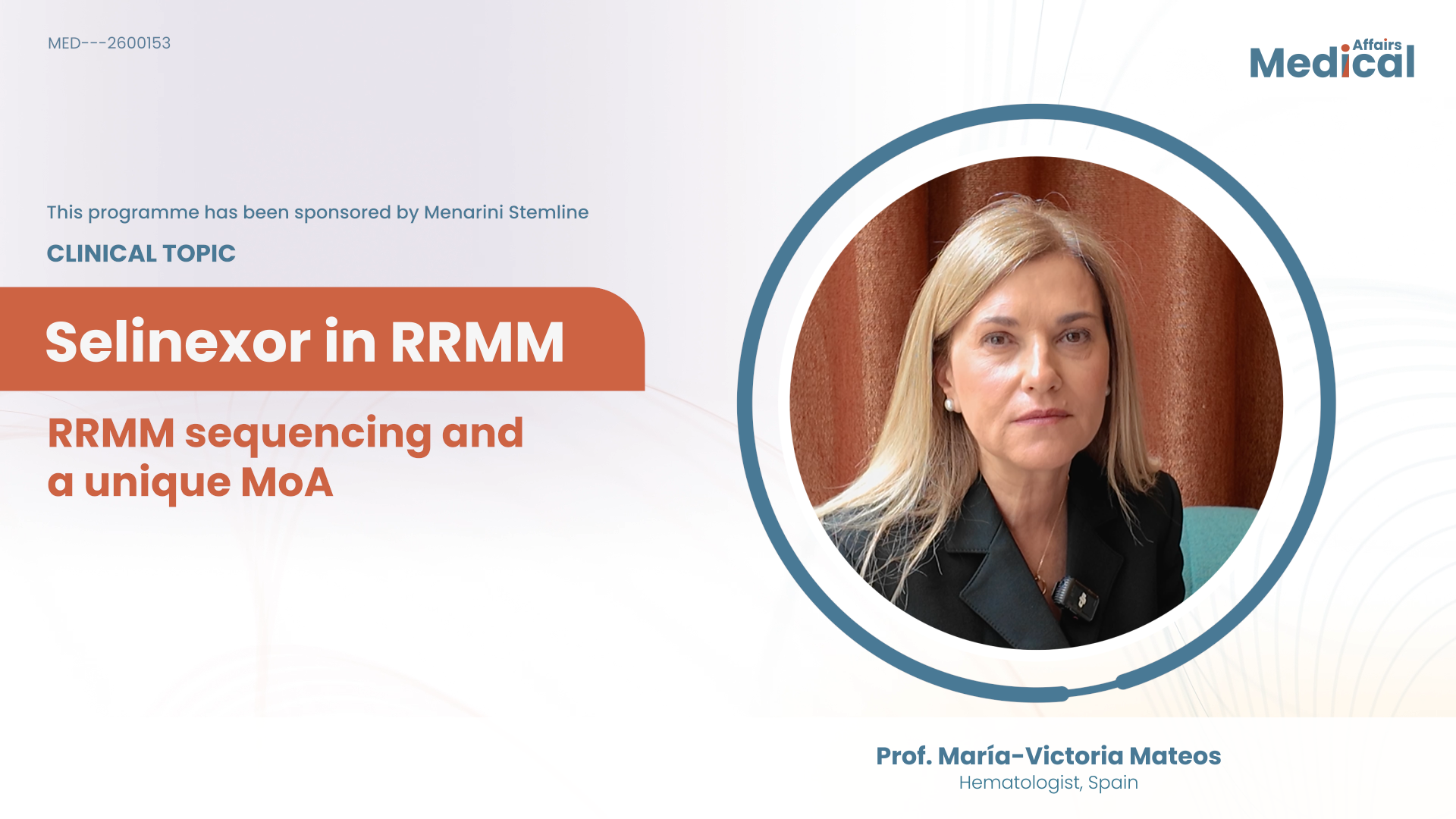


In these short videos, Dr Paula Rodríguez-Otero, Dr Joshua Richter, and Dr Gabriele Buda share insights from the symposium at the EHA 2026 Congress on 'Optimising outcomes in multiple myeloma: Navigating resistance with innovative approaches’, sponsored by Menarini Stemline.  


Download the accompanying slides for further insights. 


Key topics include:  

  • The evolving challenges in managing early relapsed multiple myeloma following standard frontline exposure 
  • The rationale and trial data supporting XPO1 inhibition as an alternative mechanism to bypass treatment resistance 
  • The role of XPO1 inhibition in upregulating BCMA expression and preserving T-cell fitness prior to T-cell redirecting therapies 
  • Proactive adverse event management and dose-modification protocols for selinexor to optimise patient adherence and clinical outcomes


Clinical takeaways

  • Utilise XPO1 inhibition strategically after frontline therapy failure 
  • Implement treatment-free intervals and class switching to preserve T-cell fitness for future immunotherapies 
  • Prioritise accessible 2ⁿᵈ line treatments for rapid disease control in early relapse, avoiding delays tied to real-world access limitations
  • Employ proactive dose modifications and prophylaxis to manage adverse events, maximising tolerability and adherence to selinexor 

To understand:

  • How to address current unmet needs in early relapse by balancing high-efficacy targets against real-world limitations 
  • The clinical and biological rationale for XPO1 inhibition to bypass resistance 
  • Optimal sequencing strategies, including class switching and treatment-free intervals
  • Proactive adverse event management and dose modifications to optimise tolerability and adherence to selinexor-based regimens 

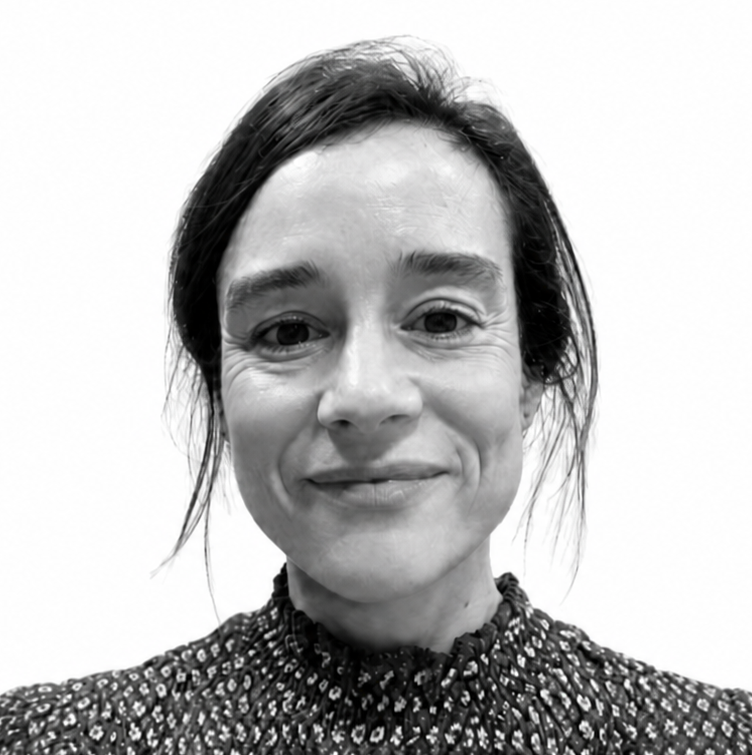
Dr Paula Rodríguez Otero is a consultant and deputy professor at the University of Navarra. She is a member of the Myeloma Unit at the same institution and medical responsible of the Clinical Trial Unit at Clinica Universidad de Navarra, in Pamplona Spain, where she leads the clinical trials and immunotherapy programme since 2011, under the direction of Professor Jesus San Miguel. She studied medicine at the University of Navarra, Pamplona, Spain, completed her residency training in haematology at the University Hospital of Navarra, and joined the Faculty of Medicine at the same institution in 2011. From 2009 until 2011, after completing her PhD, she undertook a clinical fellowship in the Bone Marrow Transplant Division at the Hôpital Saint-Louis in Paris, France.  


Dr Rodríguez Otero’s research interests include the management, treatment and biology of multiple myeloma, and new immunotherapy strategies. She has collaborated in more than 50 oncology/haematology clinical trials and several translational research projects leading to the approval to some of the novel T-cell redirecting therapies. She is an active participant in the International Myeloma Working Group immunotherapy committee and has lead the international effort of the novel guidelines for the management of patients treated with bispecific antibodies.  


Dr Rodríguez Otero has published articles in high-impact haematology journals and has presented at national and international congresses. 

Dr Paula Rodríguez-Otero has received financial support/sponsorship for research support, consultation, or speaker fees from the following companies:

Honoraria from lectures: BMS-Celgene, J&J Innovative Medicine, Sanofi, GSK, Pfizer, Menarini Steamline, and AbbVie


Participation in advisory board meetings: BMS, J&J Innovative Medicine, Sanofi, Roche, AstraZeneca, AbbVie, Menarini Steamline, Pfizer, Regeneron, H3 Biomedicine, and GSK


Consultant: BMS-Celgene, AbbVie, AstraZeneca, Regeneron, Roche, J&J Innovative Medicine and Pfizer


Research funding: Pfizer (institution)


Travel support: Pfizer

In these short videos, Dr Paula Rodríguez-Otero, Dr Joshua Richter and Dr Gabriele Buda share insights from the symposium at the EHA 2026 Congress on 'Optimising outcomes in multiple myeloma: Navigating resistance with innovative approaches’, sponsored by Menarini Stemline.  

,

Download the accompanying slides for further insights. 


Key topics include:  

  • The evolving challenges in managing early relapsed multiple myeloma following standard frontline exposure 
  • The rationale and trial data supporting XPO1 inhibition as an alternative mechanism to bypass treatment resistance 
  • The role of XPO1 inhibition in upregulating BCMA expression and preserving T-cell fitness prior to T-cell redirecting therapies 
  • Proactive adverse event management and dose-modification protocols for selinexor to optimise patient adherence and clinical outcomes


Clinical takeaways

  • Utilise XPO1 inhibition strategically after frontline therapy failure 
  • Implement treatment-free intervals and class switching to preserve T-cell fitness for future immunotherapies 
  • Prioritise accessible 2ⁿᵈ line treatments for rapid disease control in early relapse, avoiding delays tied to real-world access limitations
  • Employ proactive dose modifications and prophylaxis to manage adverse events, maximising tolerability and adherence to selinexor 

To understand:

  • How to address current unmet needs in early relapse by balancing high-efficacy targets against real-world limitations 
  • The clinical and biological rationale for XPO1 inhibition to bypass resistance 
  • Optimal sequencing strategies, including class switching and treatment-free intervals
  • Proactive adverse event management and dose modifications to optimise tolerability and adherence to selinexor-based regimens 

Joshua Richter, M.D., is an Associate Professor in the Myeloma Division at the Tisch Cancer Institute at the Icahn School of Medicine at Mount Sinai and the Director of Myeloma at the Blavatnik Family Chelsea Medical Center at Mount Sinai.  He completed undergraduate work at Johns Hopkins University and subsequently went on to medical school at New York Medical College. He completed residency at St. Vincent’s Hospital – New York Medical College.  Dr Richter completed his hematology/oncology fellowship at the Yale Cancer Center.  After completing fellowship he worked in the myeloma division at the John Theurer Cancer Center at Hackensack University Medical.  In 2018 he joined the Myeloma Division at Mount Sinai Hospital.   Dr Richter has been published in numerous oncology journals including NEJM, Blood, and the Journal of Clinical Oncology.   He has an interest in immunotherapy, multi-functional antibodies and precision medicine.

Dr Joshua Richter has received financial support/sponsorship for research support, consultation, or speaker fees from the following companies:

Consultant/advisory board: Janssen, BMS, Pfizer, Karyopharm, Sanofi, Takeda, Genentech, Abbvie, Regeneron, Forus, Menarini, Kite/Arcellx, UB Therapeutics, Legend 

Speakers Bureau: Janssen, BMS, Sanofi, Pfizer 

In these short videos, Dr Paula Rodríguez-Otero, Dr Joshua Richter, and Dr Gabriele Buda share insights from the symposium at the EHA 2026 Congress on 'Optimising outcomes in multiple myeloma: Navigating resistance with innovative approaches’, sponsored by Menarini Stemline.  


Download the accompanying slides for further insights. 


Key topics include:  

  • The evolving challenges in managing early relapsed multiple myeloma following standard frontline exposure 
  • The rationale and trial data supporting XPO1 inhibition as an alternative mechanism to bypass treatment resistance 
  • The role of XPO1 inhibition in upregulating BCMA expression and preserving T-cell fitness prior to T-cell redirecting therapies 
  • Proactive adverse event management and dose-modification protocols for selinexor to optimise patient adherence and clinical outcomes


Clinical takeaways

  • Utilise XPO1 inhibition strategically after frontline therapy failure 
  • Implement treatment-free intervals and class switching to preserve T-cell fitness for future immunotherapies 
  • Prioritise accessible 2ⁿᵈ line treatments for rapid disease control in early relapse, avoiding delays tied to real-world access limitations
  • Employ proactive dose modifications and prophylaxis to manage adverse events, maximising tolerability and adherence to selinexor 

To understand:

  • How to address current unmet needs in early relapse by balancing high-efficacy targets against real-world limitations 
  • The clinical and biological rationale for XPO1 inhibition to bypass resistance 
  • Optimal sequencing strategies, including class switching and treatment-free intervals
  • Proactive adverse event management and dose modifications to optimise tolerability and adherence to selinexor-based regimens 

In these short videos, Dr Paula Rodríguez-Otero, Dr Joshua Richter, and Dr Gabriele Buda share insights from the symposium at the EHA 2026 Congress on 'Optimising outcomes in multiple myeloma: Navigating resistance with innovative approaches’, sponsored by Menarini Stemline.  


Download the accompanying slides for further insights. 


Key topics include:  

  • The evolving challenges in managing early relapsed multiple myeloma following standard frontline exposure 
  • The rationale and trial data supporting XPO1 inhibition as an alternative mechanism to bypass treatment resistance 
  • The role of XPO1 inhibition in upregulating BCMA expression and preserving T-cell fitness prior to T-cell redirecting therapies 
  • Proactive adverse event management and dose-modification protocols for selinexor to optimise patient adherence and clinical outcomes


Clinical takeaways

  • Utilise XPO1 inhibition strategically after frontline therapy failure 
  • Implement treatment-free intervals and class switching to preserve T-cell fitness for future immunotherapies 
  • Prioritise accessible 2ⁿᵈ line treatments for rapid disease control in early relapse, avoiding delays tied to real-world access limitations
  • Employ proactive dose modifications and prophylaxis to manage adverse events, maximising tolerability and adherence to selinexor 

To understand:

  • How to address current unmet needs in early relapse by balancing high-efficacy targets against real-world limitations 
  • The clinical and biological rationale for XPO1 inhibition to bypass resistance 
  • Optimal sequencing strategies, including class switching and treatment-free intervals
  • Proactive adverse event management and dose modifications to optimise tolerability and adherence to selinexor-based regimens 

Dr Paula Rodríguez Otero is a consultant and deputy professor at the University of Navarra. She is a member of the Myeloma Unit at the same institution and medical responsible of the Clinical Trial Unit at Clinica Universidad de Navarra, in Pamplona Spain, where she leads the clinical trials and immunotherapy programme since 2011, under the direction of Professor Jesus San Miguel. She studied medicine at the University of Navarra, Pamplona, Spain, completed her residency training in haematology at the University Hospital of Navarra, and joined the Faculty of Medicine at the same institution in 2011. From 2009 until 2011, after completing her PhD, she undertook a clinical fellowship in the Bone Marrow Transplant Division at the Hôpital Saint-Louis in Paris, France.  


Dr Rodríguez Otero’s research interests include the management, treatment and biology of multiple myeloma, and new immunotherapy strategies. She has collaborated in more than 50 oncology/haematology clinical trials and several translational research projects leading to the approval to some of the novel T-cell redirecting therapies. She is an active participant in the International Myeloma Working Group immunotherapy committee and has lead the international effort of the novel guidelines for the management of patients treated with bispecific antibodies.  


Dr Rodríguez Otero has published articles in high-impact haematology journals and has presented at national and international congresses. 

Dr Paula Rodríguez-Otero has received financial support/sponsorship for research support, consultation, or speaker fees from the following companies:

Honoraria from lectures: BMS-Celgene, J&J Innovative Medicine, Sanofi, GSK, Pfizer, Menarini Steamline, and AbbVie


Participation in advisory board meetings: BMS, J&J Innovative Medicine, Sanofi, Roche, AstraZeneca, AbbVie, Menarini Steamline, Pfizer, Regeneron, H3 Biomedicine, and GSK


Consultant: BMS-Celgene, AbbVie, AstraZeneca, Regeneron, Roche, J&J Innovative Medicine and Pfizer


Research funding: Pfizer (institution)


Travel support: Pfizer

Joshua Richter, M.D., is an Associate Professor in the Myeloma Division at the Tisch Cancer Institute at the Icahn School of Medicine at Mount Sinai and the Director of Myeloma at the Blavatnik Family Chelsea Medical Center at Mount Sinai.  He completed undergraduate work at Johns Hopkins University and subsequently went on to medical school at New York Medical College. He completed residency at St. Vincent’s Hospital – New York Medical College.  Dr Richter completed his hematology/oncology fellowship at the Yale Cancer Center.  After completing fellowship he worked in the myeloma division at the John Theurer Cancer Center at Hackensack University Medical.  In 2018 he joined the Myeloma Division at Mount Sinai Hospital.   Dr Richter has been published in numerous oncology journals including NEJM, Blood, and the Journal of Clinical Oncology.   He has an interest in immunotherapy, multi-functional antibodies and precision medicine.

Dr Joshua Richter has received financial support/sponsorship for research support, consultation, or speaker fees from the following companies:

Consultant/advisory board: Janssen, BMS, Pfizer, Karyopharm, Sanofi, Takeda, Genentech, Abbvie, Regeneron, Forus, Menarini, Kite/Arcellx, UB Therapeutics, Legend 

Speakers Bureau: Janssen, BMS, Sanofi, Pfizer 

Programme summary
Watch the video now
Share this programme
Brought to you by COR2ED Medical Affairs in collaboration with Menarini Stemline. MED---2600251
Supporter Acknowledgement
Brought to you by COR2ED Medical Affairs in collaboration with Menarini Stemline. MED---2600251
I agree that this programme:

Was valuable to me

1/3
Programme summary
Watch the video now
Share this programme
Brought to you by COR2ED Medical Affairs in collaboration with Menarini Stemline. MED---2600251
Supporter Acknowledgement
Brought to you by COR2ED Medical Affairs in collaboration with Menarini Stemline. MED---2600251
I agree that this programme:

Was valuable to me

1/3
Programme summary
Watch the video now
Share this programme
Brought to you by COR2ED Medical Affairs in collaboration with Menarini Stemline. MED---2600251
Supporter Acknowledgement
Brought to you by COR2ED Medical Affairs in collaboration with Menarini Stemline. MED---2600251
I agree that this programme:

Was valuable to me

1/3
Programme summary
Share this programme
Brought to you by COR2ED Medical Affairs in collaboration with Menarini Stemline. MED---2600251
Supporter Acknowledgement
Brought to you by COR2ED Medical Affairs in collaboration with Menarini Stemline. MED---2600251
I agree that this programme:

Was valuable to me

1/3

Other programmes of interest

conference-update Conference update

Episode

3

of 3

episode
Oncology 
How are new data shaping the landscape in HER2-mutant NSCLC?

Insights from WCLC 2026

Experts
Dr Joshua Sabari
Endorsed by
ICAN international cancer advocacy network Biomarker Collaborative Exon20group
  • clock 5 MIN
  • calendar Sep 2026

Educational programme supported by an Independent Educational Grant from Bayer.
blueprint BluePrintInfographic / Flashcard
Oncology 
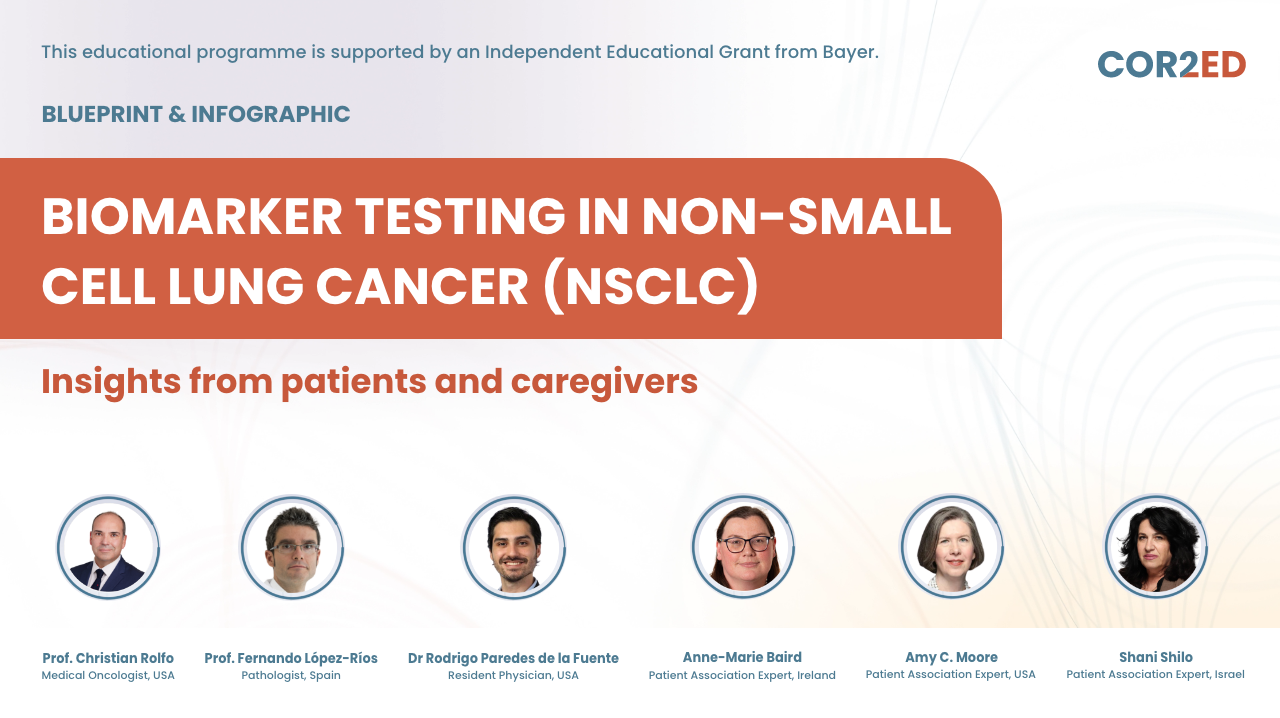
Biomarker testing in non-small cell lung cancer (NSCLC)

Insights from patients and caregivers

Experts
Prof. Christian Rolfo, Prof. Fernando López-Ríos, Dr Rodrigo Paredes de la Fuente, Anne-Marie Baird, Amy C. Moore, Shani Shilo
Endorsed by
LUNGevity The Israeli Lung Cancer Foundation
Biomarker Collaborative NTRKers Lung Cancer Europe
  • download Downloadable
    Resources
  • clock 5 MIN
  • calendar Jul 2026
  • Non-accredited Independent Medical Education

Educational programme supported by an Independent Educational Grant from Bayer.
conference-update Conference update
Oncology Hemato-oncology 
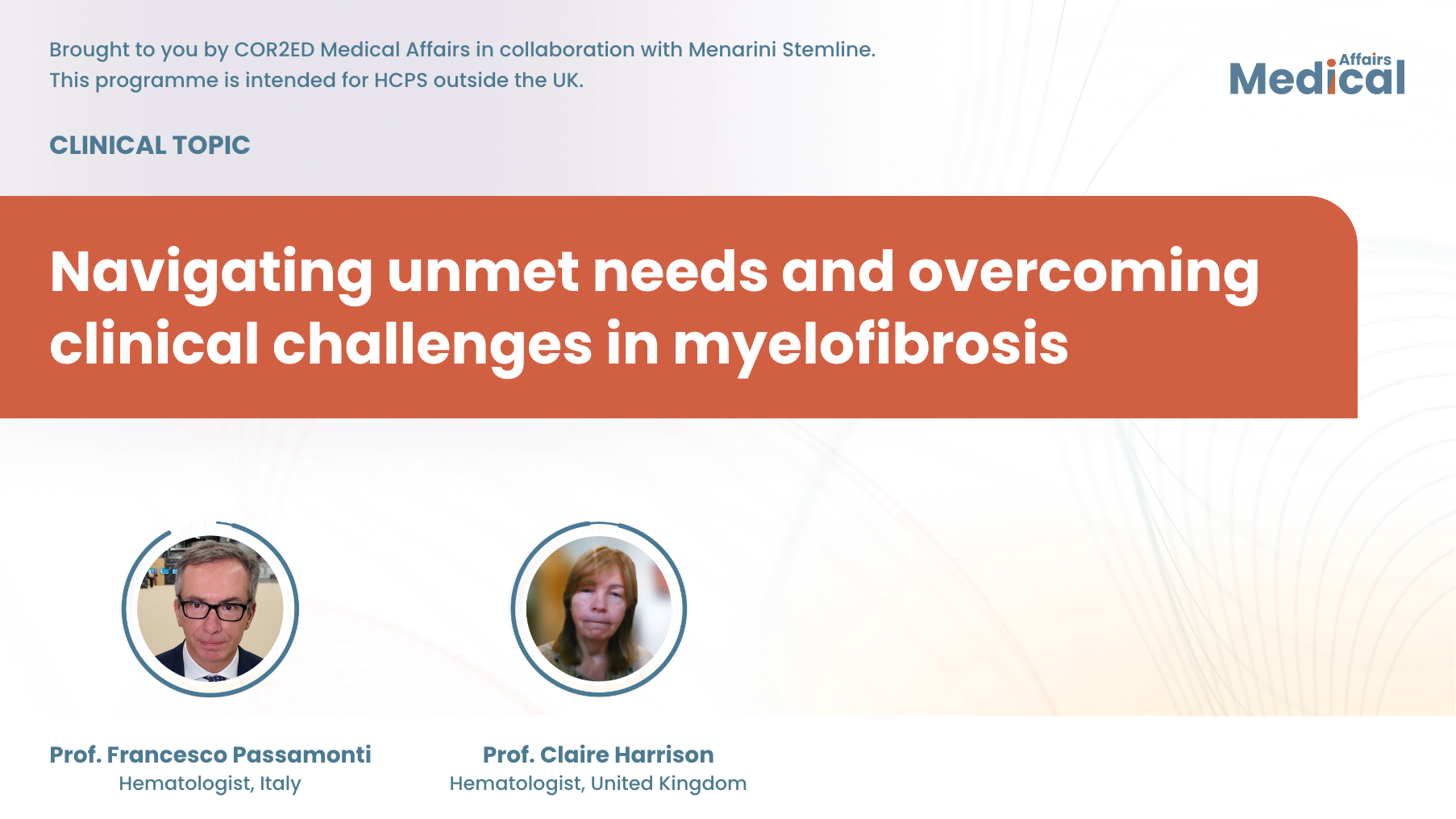
Myelofibrosis: Navigating unmet needs and overcoming clinical challenges

Expert perspectives on clinical trial highlights from EHA 2026

Experts
Prof. Francesco Passamonti, Prof. Claire Harrison
  • download Downloadable
    Resources
  • clock 6 MIN
  • calendar Jul 2026

Brought to you by COR2ED Medical Affairs in collaboration with Menarini Stemline. This programme is intended for HCPS outside the UK. MED---2600258
micro-learning Micro learning - Video, slides and more
Oncology 
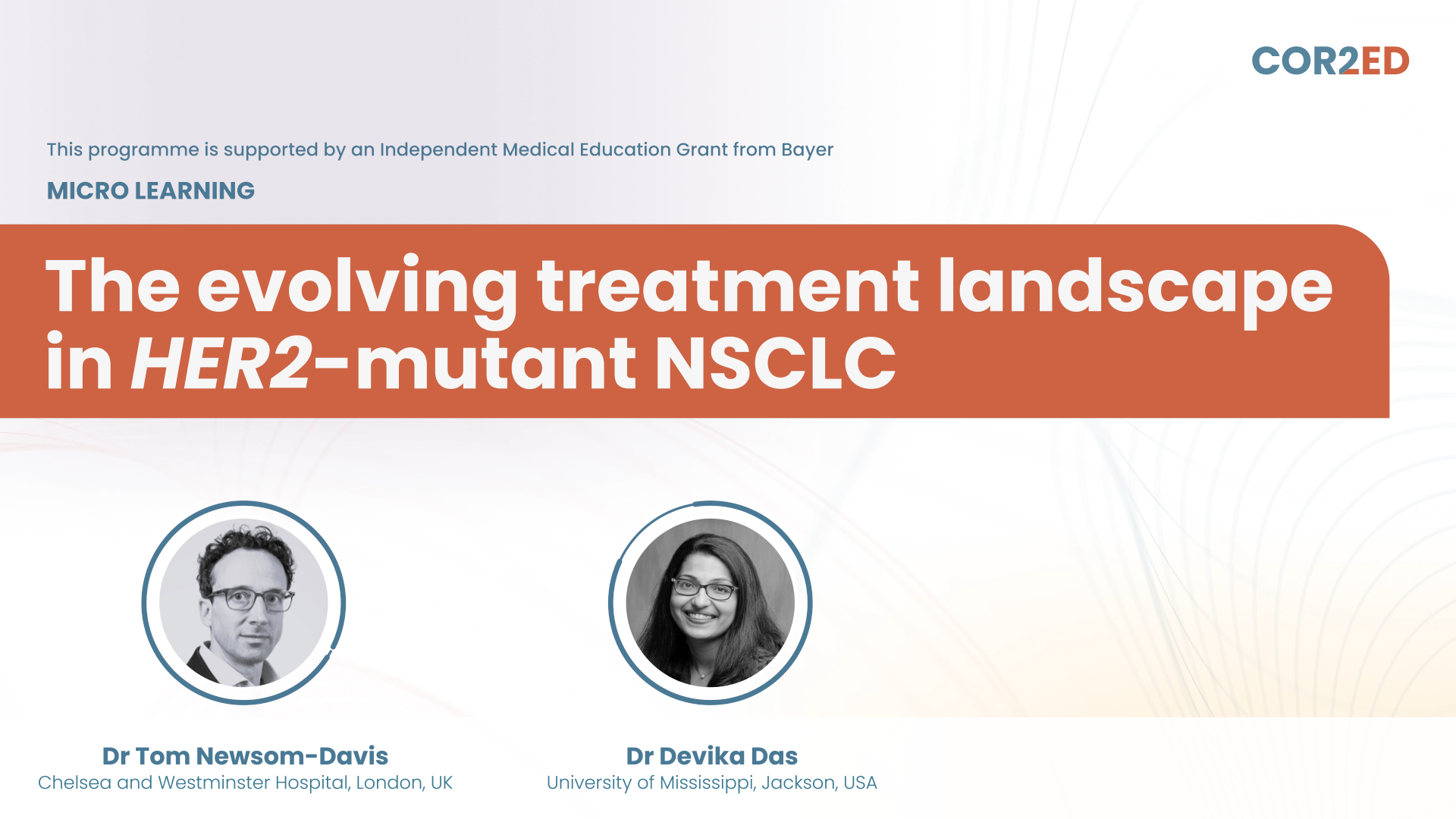
The evolving treatment landscape in HER2-mutant NSCLC

Expert insights on how the latest evidence is shaping clinical practice

Experts
Dr Devika Das, Dr Tom Newsom-Davis
Endorsed by
ICAN international cancer advocacy network Biomarker Collaborative Exon20group
  • download Downloadable
    Resources
  • clock 5 MIN
  • calendar Jul 2026
  • Non-accredited Independent Medical Education

Educational programme supported by an Independent Educational Grant from Bayer
animated-video Animated Video
Oncology 
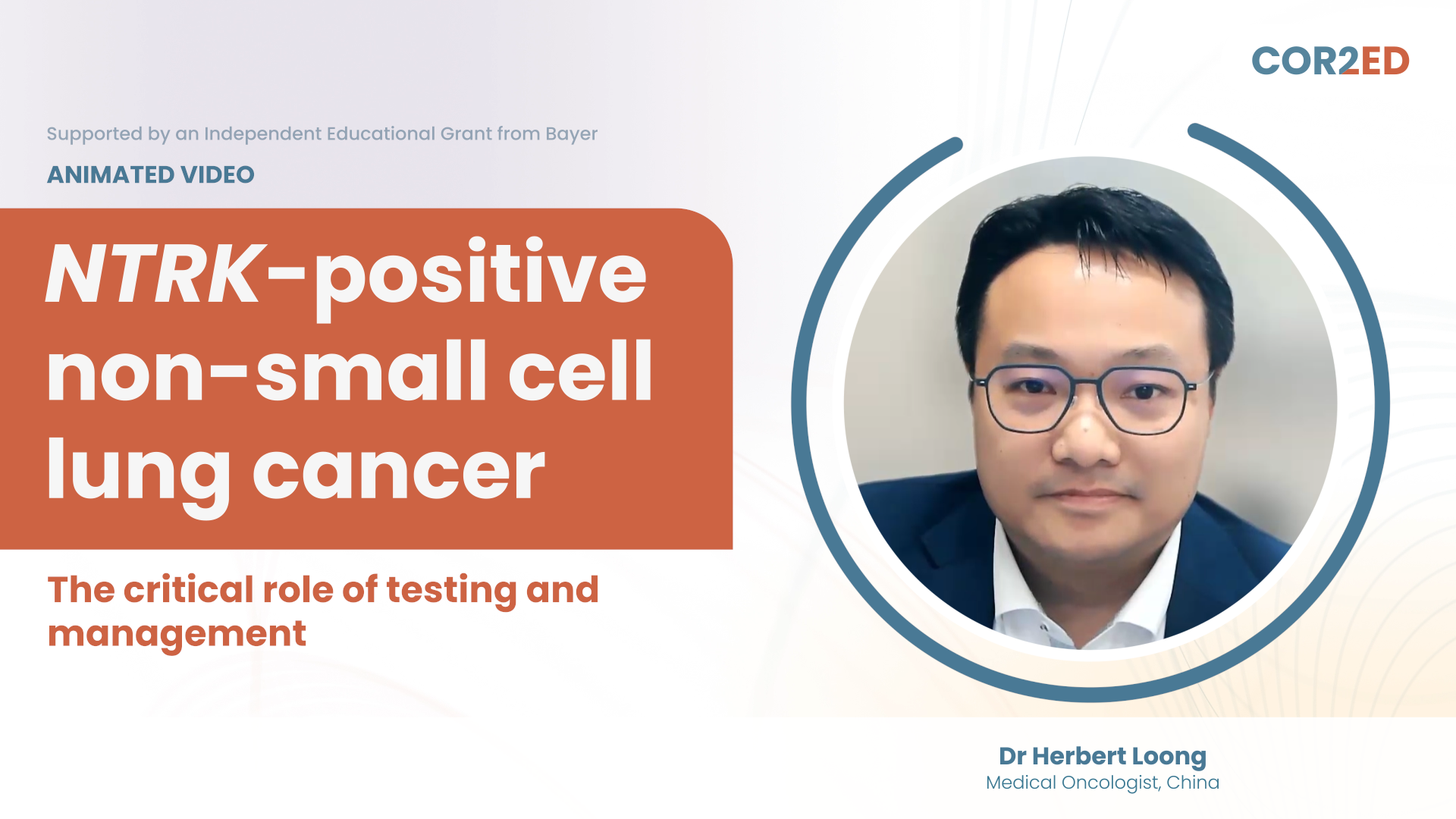
The critical role of testing and management in NTRK-positive non-small cell lung cancer (NSCLC)

Using molecular testing to enable personalised care

Experts
Dr Herbert Loong
Endorsed by
ICAN international cancer advocacy network ISLB NTRKers
  • download Downloadable
    Resources
  • clock 5 MIN
  • calendar Jun 2026
  • Non-accredited Independent Medical Education

Educational programme supported by an Independent Educational Grant from Bayer.