
In this insightful video, experts Prof. Frédérique Penault-Llorca and Dr Aditya Bardia explore the evolving landscape of biomarker testing in HR+/HER2- metastatic breast cancer. They discuss when and how to effectively utilise liquid and tumour biopsies, the importance of including all relevant biomarkers in test requests throughout the patient journey, and how these test results directly impact treatment decisions and patient management.


This discussion offers valuable guidance for optimising personalised care in advanced breast cancer. Watch the video above and download the accompanying slides for more details.


Clinical takeaways

  • Liquid biopsies offer a less invasive alternative to traditional tissue biopsies in patients with advanced breast cancer to examine molecular features 
  • The role of liquid biopsy should be seen as a complementary testing method to tissue-based assays, and the information derived should be reviewed in combination with tissue results 
  • Liquid biopsy can detect mutations such as ESR1 and PIK3CA that are often associated with resistance to endocrine therapies and may be therapeutic targets
  • Multigene NGS testing is recommended by the ESMO and NCCN guidelines to ensure a broad spectrum of genetic alterations can be detected 
  1. Know the testing landscape in HR+/HER2- metastatic breast cancer, when and how to test using liquid and tumour biopsies 
  2. Be able to include all relevant biomarkers in test requests across the breast cancer  
    patient journey
  3. Understand the implications of biomarker testing results on the management of HR+/HER2- metastatic breast cancer patients 

Frédérique PENAULT-LLORCA, MD, PhD, graduated as a medical specialist in pathology in 1993 and in oncology in 1995. Also, in 1995, she received a PhD from the Université d’Aix-Marseille II in cellular biology and microbiology, on the topic of HER2. Frédérique PENAULT-LLORCA is currently professor of pathology at the University of Clermont-Ferrand, CEO of the Comprehensive Regional Cancer Institute Centre Jean PERRIN, Clermont-Ferrand, France, deputy director of the research team INSERM 1240 IMoST, and head of the Molecular Biology Plateform at Centre Jean Perrin. She serves as vice-president of the UNICANCER group and chairs of the Immuno-Oncology group at UNICANCER R&D. She is a member of several pathology and oncology societies, with her main areas of expertise being female cancers. She co-chairs the French breast cancer guidelines of Nice-St Paul. Frédérique PENAULT-LLORCA has conducted various biomarkers-based research studies in breast, lung, digestive tract, prostate and thyroid cancer in relation to response to targeted therapies and immunotherapies. Frédérique PENAULT-LLORCA has participated to more than 469 peer-reviewed publications and several books on female cancers and pathologic testing methods and issues.

Prof. Frédérique Penault-Llorca has received financial support/sponsorship for research support, consultation, or speaker fees from the following companies:

AbbVie, AstraZeneca, Bayer, BMS, Daiichi Sankyo, Genomic Health, Gilead, GSK, Lilly, Menarini /Stemline, MERCK, MSD, Myriad, NanoString Technologies, Novartis, Pfizer, Pierre-Fabre, Roche, Seagen, Servier, Tesaro; Institutional research grants from  AbbVie, Agendia, AstraZeneca, Bayer, BMS, Genomic Health, MSD, Myriad, NanoString Technologies, Roche; Congress invitations from AbbVie, AstraZeneca, BMS, MSD, Novartis, Pfizer, Roche 

Dr. Bardia is an internationally renowned breast oncologist known for his pioneering clinical and translational research in the field of cancer therapeutics, particularly antibody drug conjugates. Dr. Bardia led the development of sacituzumab govitecan, the first ADC approved for patients with metastatic triple negative breast cancer, as well as other including trastuzumab deruxtecan and datapotamab deruxtecan. Dr. Bardia also led the clinical development of elacestrant, the first oral SERD approved for patients with metastatic HR+ positive breast cancer. In translational collaboration with various labs, identified role of ESR1 mutations in mediating endocrine resistance, RB1 mutations in mediating CDK 4/6i resistance and TOP1 mutations in mediating ADC resistance. Besides cutting-edge research, Dr. Bardia is highly regarded among peers as an excellent mentor and strong advocate for academic trainees and junior faculty members. Dr. Bardia has received several awards including outstanding award for research excellence at Mayo Clinic, Young Investigator Award from ASCO, Distinguished researcher award from MASCO, and Douglas Family Foundation prize for excellence in oncology research.

Dr Aditya Bardia has received financial support/sponsorship for research support, consultation, or speaker fees from the following companies:

Consultant/Advisory board: Pfizer, Novartis, Genentech, Merck, Radius Health, Immunomedics/Gilead, Sanofi, Daiichi Pharma/Astra Zeneca, Eli Lilly, Mersana. Contracted Research/Grant (to institution): Genentech, Novartis, Pfizer, Merck, Sanofi, Radius Health, Immunomedics/Gilead, Daiichi Pharma/Astra Zeneca, Eli Lilly.

In this insightful video, experts Prof. Frédérique Penault-Llorca and Dr Aditya Bardia explore the evolving landscape of biomarker testing in HR+/HER2- metastatic breast cancer. They discuss when and how to effectively utilise liquid and tumour biopsies, the importance of including all relevant biomarkers in test requests throughout the patient journey, and how these test results directly impact treatment decisions and patient management.


This discussion offers valuable guidance for optimising personalised care in advanced breast cancer. Watch the video above and download the accompanying slides for more details.


Clinical takeaways

  • Liquid biopsies offer a less invasive alternative to traditional tissue biopsies in patients with advanced breast cancer to examine molecular features 
  • The role of liquid biopsy should be seen as a complementary testing method to tissue-based assays, and the information derived should be reviewed in combination with tissue results 
  • Liquid biopsy can detect mutations such as ESR1 and PIK3CA that are often associated with resistance to endocrine therapies and may be therapeutic targets
  • Multigene NGS testing is recommended by the ESMO and NCCN guidelines to ensure a broad spectrum of genetic alterations can be detected 
  1. Know the testing landscape in HR+/HER2- metastatic breast cancer, when and how to test using liquid and tumour biopsies 
  2. Be able to include all relevant biomarkers in test requests across the breast cancer  
    patient journey
  3. Understand the implications of biomarker testing results on the management of HR+/HER2- metastatic breast cancer patients 

Frédérique PENAULT-LLORCA, MD, PhD, graduated as a medical specialist in pathology in 1993 and in oncology in 1995. Also, in 1995, she received a PhD from the Université d’Aix-Marseille II in cellular biology and microbiology, on the topic of HER2. Frédérique PENAULT-LLORCA is currently professor of pathology at the University of Clermont-Ferrand, CEO of the Comprehensive Regional Cancer Institute Centre Jean PERRIN, Clermont-Ferrand, France, deputy director of the research team INSERM 1240 IMoST, and head of the Molecular Biology Plateform at Centre Jean Perrin. She serves as vice-president of the UNICANCER group and chairs of the Immuno-Oncology group at UNICANCER R&D. She is a member of several pathology and oncology societies, with her main areas of expertise being female cancers. She co-chairs the French breast cancer guidelines of Nice-St Paul. Frédérique PENAULT-LLORCA has conducted various biomarkers-based research studies in breast, lung, digestive tract, prostate and thyroid cancer in relation to response to targeted therapies and immunotherapies. Frédérique PENAULT-LLORCA has participated to more than 469 peer-reviewed publications and several books on female cancers and pathologic testing methods and issues.

Prof. Frédérique Penault-Llorca has received financial support/sponsorship for research support, consultation, or speaker fees from the following companies:

AbbVie, AstraZeneca, Bayer, BMS, Daiichi Sankyo, Genomic Health, Gilead, GSK, Lilly, Menarini /Stemline, MERCK, MSD, Myriad, NanoString Technologies, Novartis, Pfizer, Pierre-Fabre, Roche, Seagen, Servier, Tesaro; Institutional research grants from  AbbVie, Agendia, AstraZeneca, Bayer, BMS, Genomic Health, MSD, Myriad, NanoString Technologies, Roche; Congress invitations from AbbVie, AstraZeneca, BMS, MSD, Novartis, Pfizer, Roche 

Dr. Bardia is an internationally renowned breast oncologist known for his pioneering clinical and translational research in the field of cancer therapeutics, particularly antibody drug conjugates. Dr. Bardia led the development of sacituzumab govitecan, the first ADC approved for patients with metastatic triple negative breast cancer, as well as other including trastuzumab deruxtecan and datapotamab deruxtecan. Dr. Bardia also led the clinical development of elacestrant, the first oral SERD approved for patients with metastatic HR+ positive breast cancer. In translational collaboration with various labs, identified role of ESR1 mutations in mediating endocrine resistance, RB1 mutations in mediating CDK 4/6i resistance and TOP1 mutations in mediating ADC resistance. Besides cutting-edge research, Dr. Bardia is highly regarded among peers as an excellent mentor and strong advocate for academic trainees and junior faculty members. Dr. Bardia has received several awards including outstanding award for research excellence at Mayo Clinic, Young Investigator Award from ASCO, Distinguished researcher award from MASCO, and Douglas Family Foundation prize for excellence in oncology research.

Dr Aditya Bardia has received financial support/sponsorship for research support, consultation, or speaker fees from the following companies:

Consultant/Advisory board: Pfizer, Novartis, Genentech, Merck, Radius Health, Immunomedics/Gilead, Sanofi, Daiichi Pharma/Astra Zeneca, Eli Lilly, Mersana. Contracted Research/Grant (to institution): Genentech, Novartis, Pfizer, Merck, Sanofi, Radius Health, Immunomedics/Gilead, Daiichi Pharma/Astra Zeneca, Eli Lilly.

Programme summary
Watch the video now
Share this programme
This educational programme is supported by an Independent Educational Grant from Thermo Fisher Scientific.
Supporter Acknowledgement
This educational programme is supported by an Independent Educational Grant from Thermo Fisher Scientific.
Endorsement
I agree that this educational programme:

Was valuable to me

1/4
Brought to you by
PRECISION ONCOLOGY CONNECT

PRECISION ONCOLOGY CONNECT is an initiative of COR2ED, supported by Independent Educational Grants from AstraZeneca, Amoy Diagnostics, Bayer, Pierre Fabre Laboratories, Thermo Fisher Scientific and Daiichi Sankyo.

Meet the experts
Brought to you by
BREAST CANCER CONNECT

BREAST CANCER CONNECT is an initiative of COR2ED, supported by an Independent Educational Grant from Menarini Stemline Oncology, AstraZeneca and Thermo Fisher Scientific.

Meet the experts Independent IME approved
Programme summary
Share this programme
This educational programme is supported by an Independent Educational Grant from Thermo Fisher Scientific.
Supporter Acknowledgement
This educational programme is supported by an Independent Educational Grant from Thermo Fisher Scientific.
Endorsement
I agree that this educational programme:

Was valuable to me

1/4
Brought to you by
PRECISION ONCOLOGY CONNECT

PRECISION ONCOLOGY CONNECT is an initiative of COR2ED, supported by Independent Educational Grants from AstraZeneca, Amoy Diagnostics, Bayer, Pierre Fabre Laboratories, Thermo Fisher Scientific and Daiichi Sankyo.

Meet the experts
Brought to you by
BREAST CANCER CONNECT

BREAST CANCER CONNECT is an initiative of COR2ED, supported by an Independent Educational Grant from Menarini Stemline Oncology, AstraZeneca and Thermo Fisher Scientific.

Meet the experts Independent IME approved

Other programmes of interest

podcast Video podcast
Oncology 
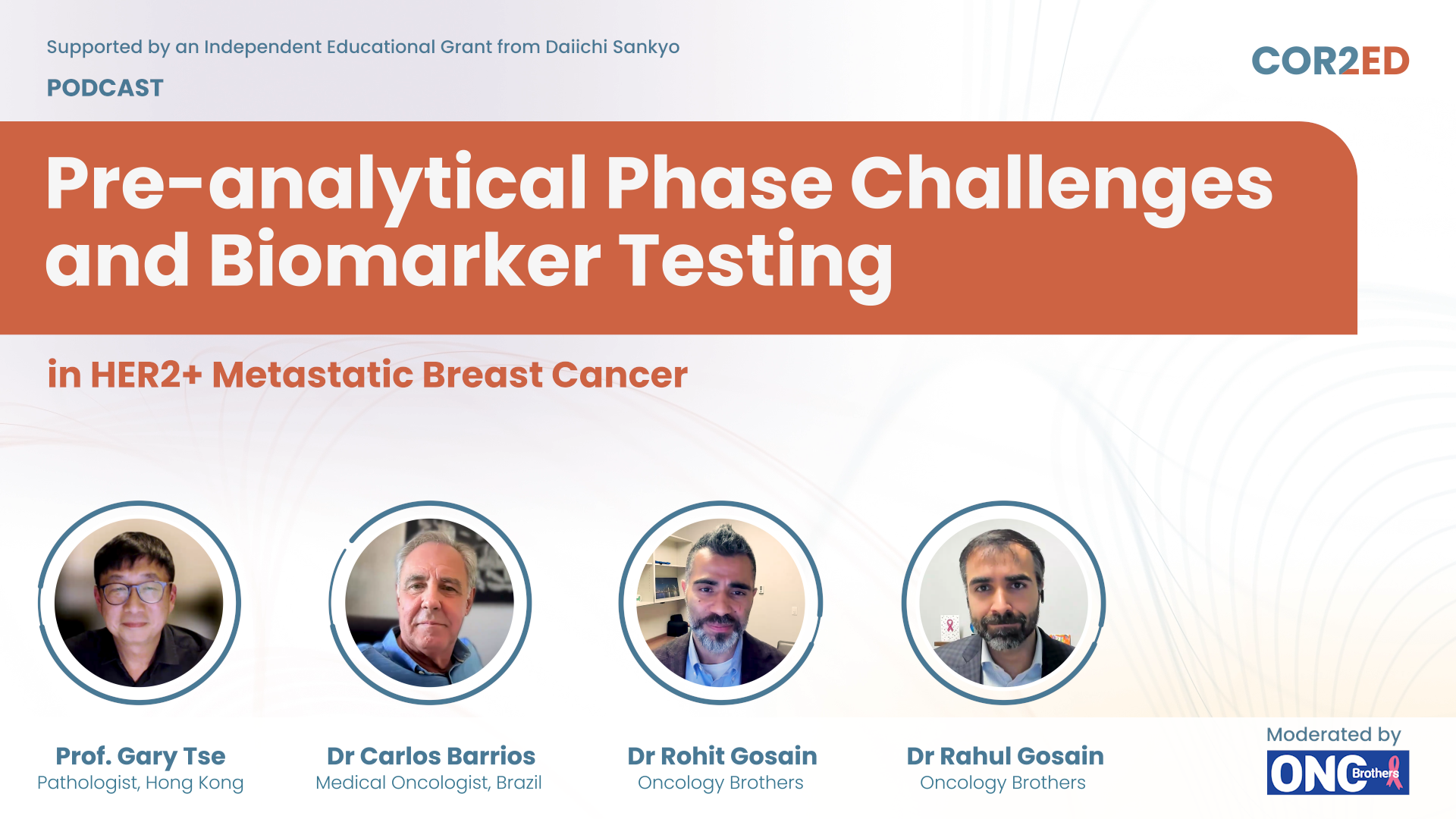
Pre-analytical phase challenges and biomarker testing in HER2+ metastatic breast cancer

Experts
Dr Carlos Barrios, Prof. Gary Tse, Oncology Brothers (Moderators)
Endorsed by
Biomarker Collaborative
  • download Downloadable
    Resources
  • clock 23 MIN
  • calendar Mar 2026
  • Non-accredited Independent Medical Education

Educational programme supported by an Independent Educational Grant from Daiichi Sankyo 
eks
EKS / On-demand webinar
Oncology 
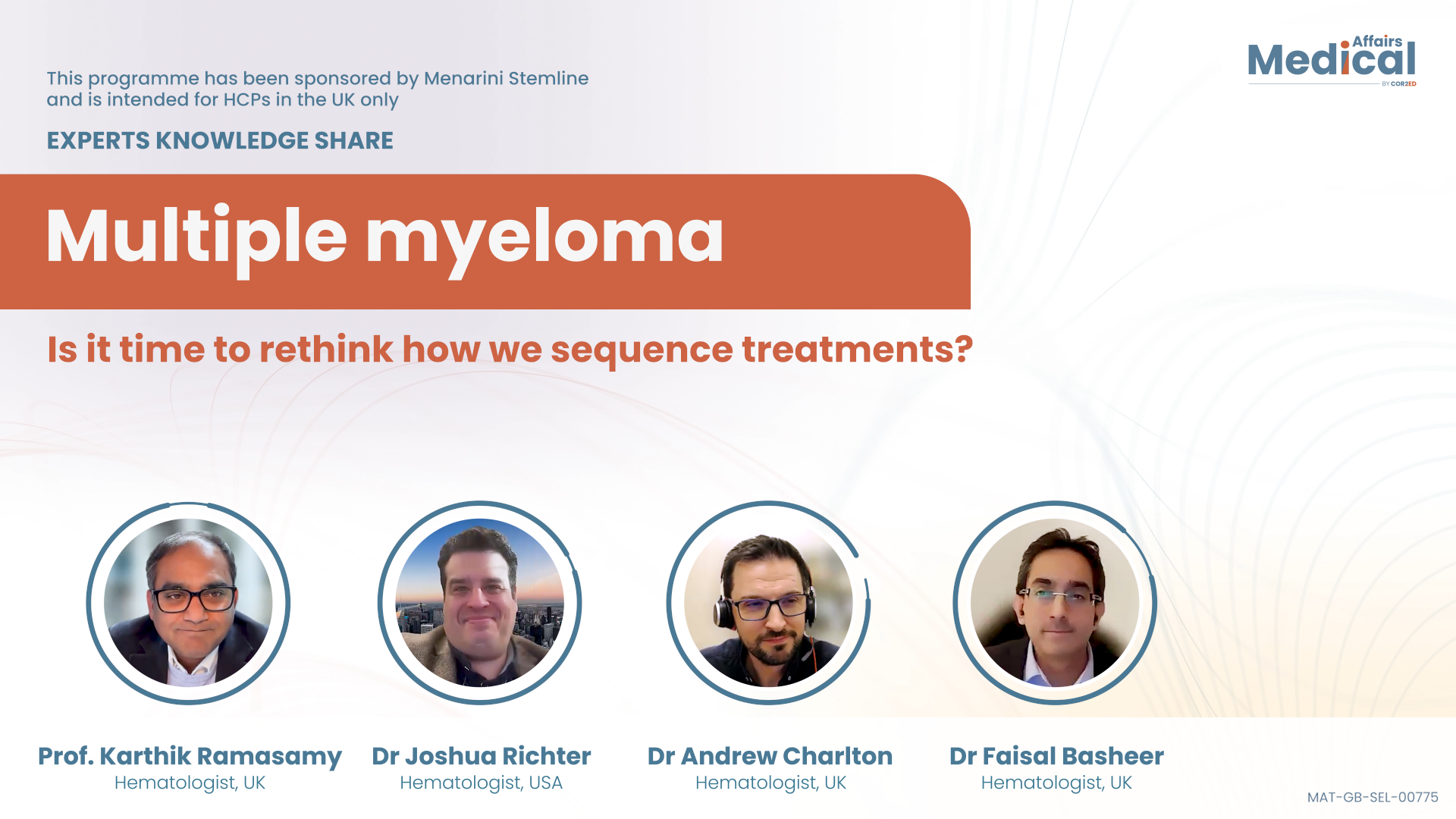
Multiple Myeloma: Is it time to rethink how we sequence treatments?

On-demand materials from an Experts Knowledge Share event

Experts
Prof. Karthik Ramasamy, Dr Joshua Richter, Dr Faisal Basheer, Dr Andrew Charlton
  • download Downloadable
    Resources
  • clock 80 MIN
  • calendar Mar 2026

This programme has been sponsored by Menarini Stemline and is intended for HCPs in the UK only    MAT-GB-SEL-00774
conference-update Conference update

Episode

2

of 2

episode
Oncology Rare diseases Endocrinology 
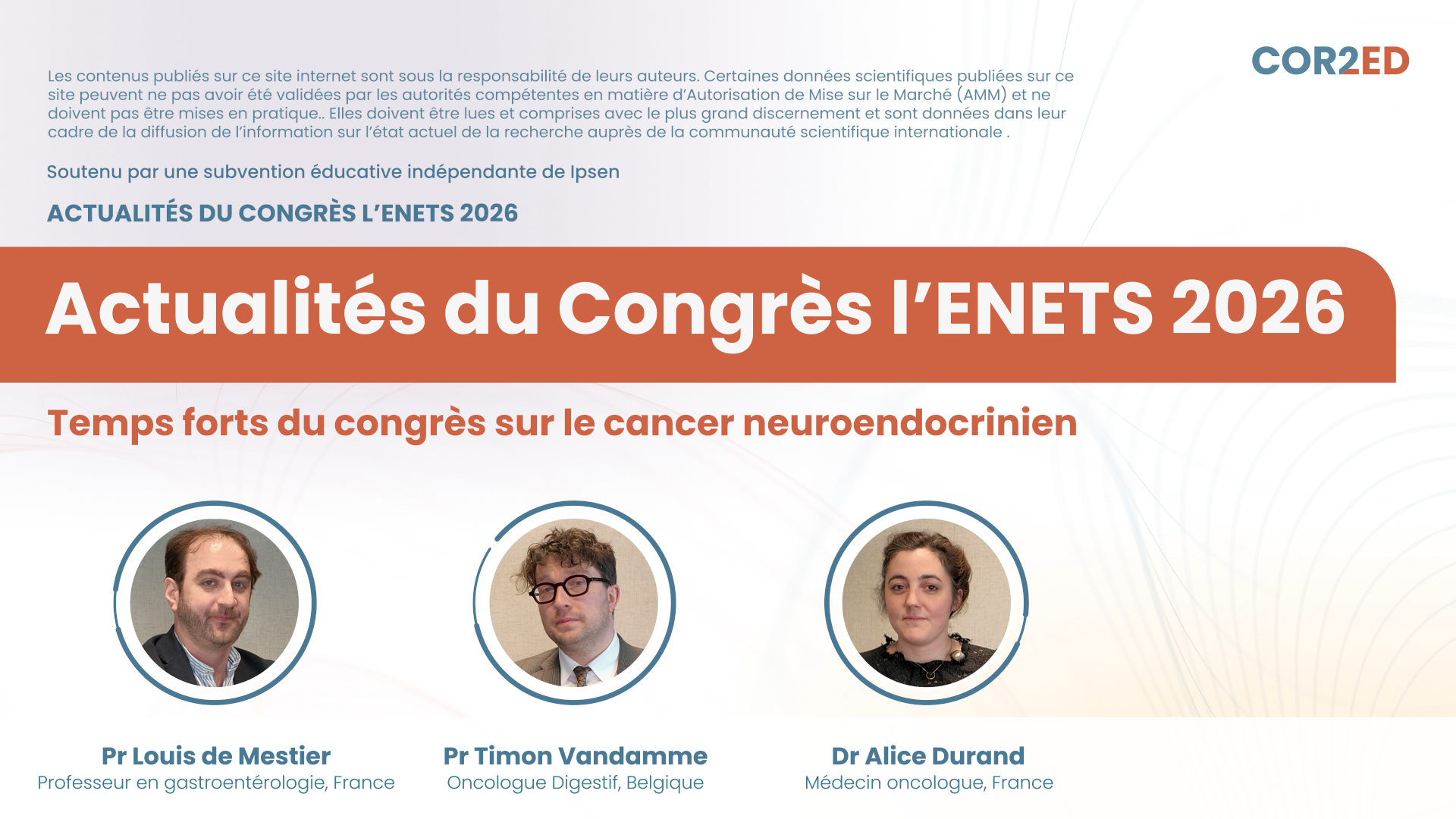
Actualités du Congrès l’ENETS 2026

Points de vue d’experts sur les dernières données concernant le cancer neuroendocrinien

Experts
Prof. Louis de Mestier, Prof. Timon Vandamme, Dr Alice Durand
  • clock 5 MIN
  • calendar Mar 2026
  • Non-accredited Independent Medical Education

Cette vidéo est soutenue par une subvention indépendante à visée éducative d’Ipsen.  Les contenus publiés sur ce site internet sont sous la responsabilité de leurs auteurs. Certaines données scientifiques publiées sur ce site sont susceptibles de ne pas être validées par la commission d’Autorisation de Mise sur le Marché, et ne doivent pas être mises en pratique. Elles doivent être lues et comprises avec le plus grand discernement et sont données dans leur cadre de la diffusion de l’information sur l’état actuel de la recherche auprès de la communauté scientifique internationale  
conference-update Conference update

Episode

1

of 2

episode
Oncology Rare diseases Endocrinology 
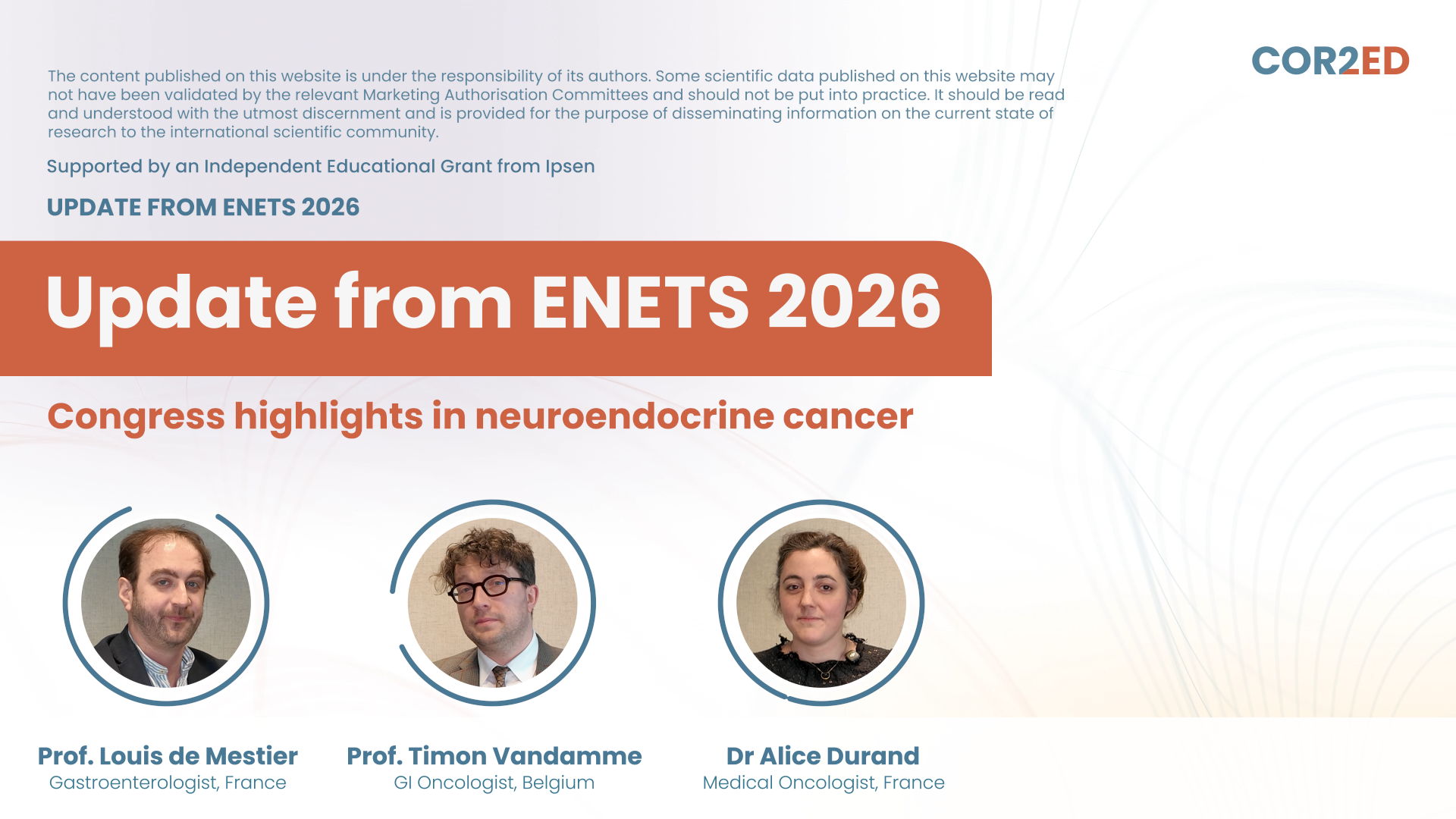
Update from ENETS 2026

Experts share their views on latest data in neuroendocrine cancer

Experts
Prof. Louis de Mestier, Prof. Timon Vandamme, Dr Alice Durand
  • clock 5 MIN
  • calendar Mar 2026
  • Non-accredited Independent Medical Education

This educational programme is supported by an Independent Educational Grant from Ipsen. The content published on this website is under the responsibility of its authors. Some scientific data published on this website may not have been validated by the relevant Marketing Authorisation Committees and should not be put into practice. It should be read and understood with the utmost discernment and is provided for the purpose of disseminating information on the current state of research to the international scientific community.
patient-support Patient Support
Oncology Hemato-oncology Pediatrics 
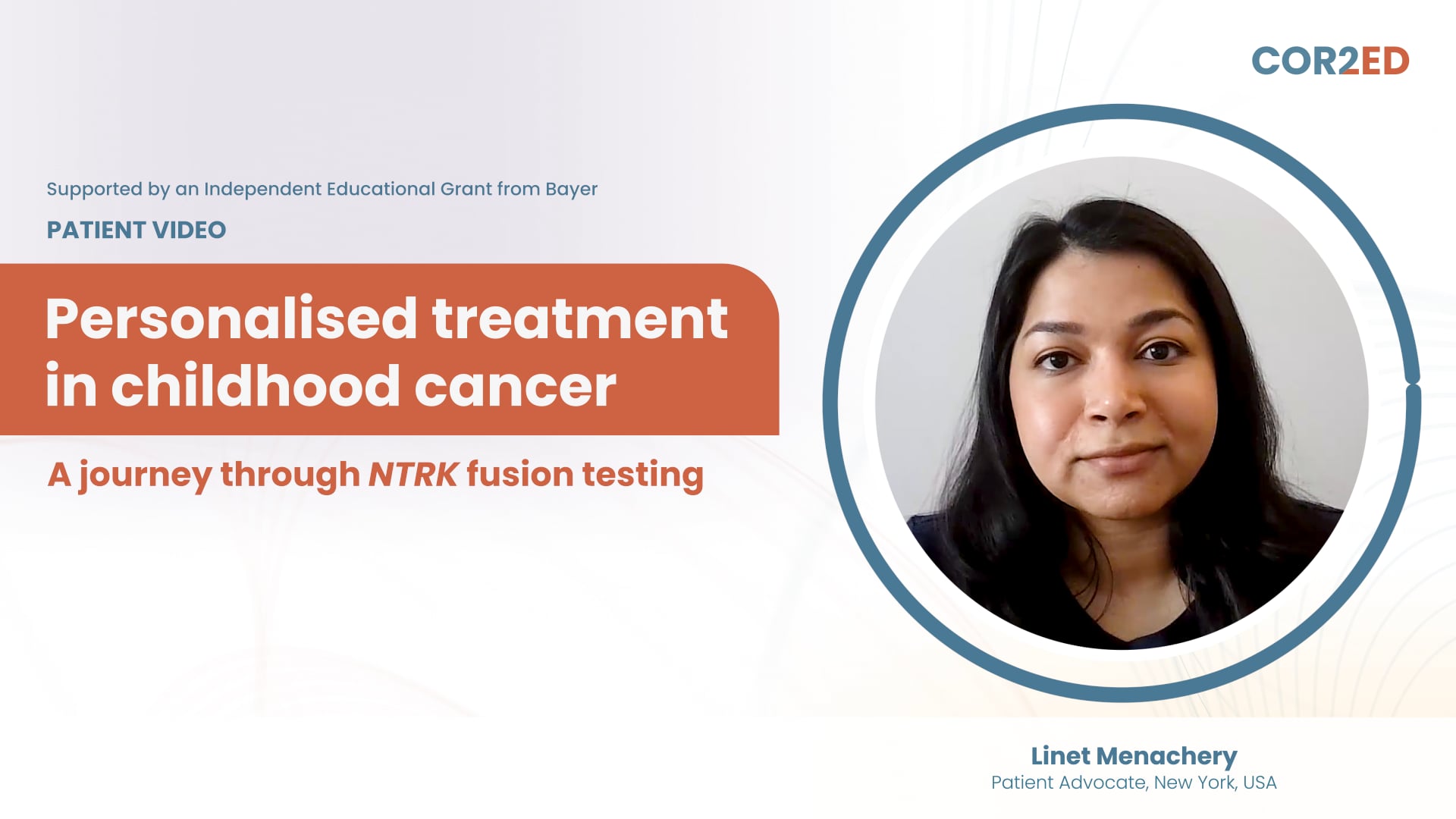
Personalised treatment in childhood cancer: A journey through NTRK fusion testing

Experts
Linet Menachery
Endorsed by
NTRKers ICAN international cancer advocacy network Biomarker Collaborative
  • clock 4 MIN
  • calendar Mar 2026
  • Non-accredited Independent Medical Education

Educational programme supported by an Independent Educational Grant from Bayer.