Срчани удар не изгледа и не осећа се увек исто, а рано препознавање знакова упозорења може спасити живот.


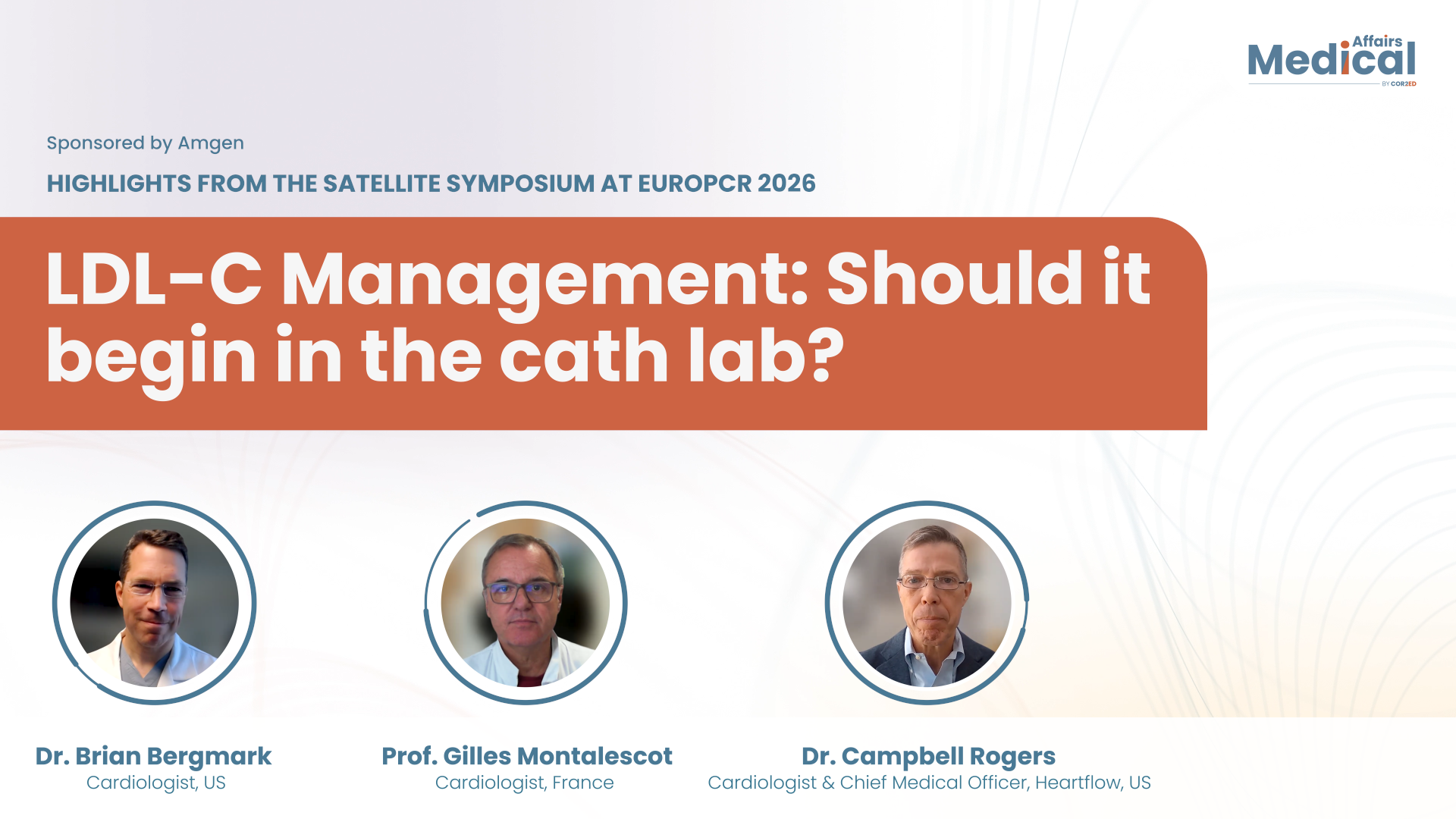
Овај кратак, анимирани видео, развијен са кардиолозима проф. Жилом Монталеском и проф. Марком Валђимиљијем, објашњава симптоме срчаног удара, зашто су минути важни и шта учинити ако ви или неко у вашој близини искуси необичну нелагодност у грудима. 


Видео садржи сведочење пацијента и наглашава емоционални утицај срчаног удара, као и важност брзог деловања и позивања хитне помоћи.


Научићете:  

  • Који су то уобичајени и мање уобичајени симптоми срчаног удара и поновљеног срчаног удара 
  • Како се почетни и поновљени симптоми могу разликовати код жена, старијих особа и људи са дијабетесом или болешћу бубрега  
  • Зашто је брза реакција кључна  
  • Да је опоравак физички и емоционални процес 


Преузмите пратећи инфографик и поделите ове ресурсе како бисте помогли другима да рано препознају знаке. 


Клинички закључци 

  • Симптоми срчаног удара су обично присутни у грудима и могу се ширити ка левој руци или врату, али могу се веома разликовати од особе до особе.  
  • Жене, старије особе и појединци са дијабетесом или болешћу бубрега имају већу вероватноћу да искусе мање уобичајене симптоме.
  • Други срчани удар може се осећати другачије, због чега је важно обратити пажњу на било какав необичан осећај или нелагодност у грудима.
  • Ако у грудима осетите нешто необично или забрињавајуће што траје дуже од неколико минута, одмах позовите хитну помоћ, јер брза реакција може спасити ваше срце и ваш живот. 
  • Један срчани удар повећава шансу за други, стога су брзо препознавање симптома и придржавање плана лечења и промена животног стила од суштинског значаја.
  • Нормално је осећати страх, забринутост или потиштеност након срчаног удара, а разговор са лекаром, породицом или групом за подршку може олакшати опоравак и помоћи да поново изградите самопоуздање.
  • Повећати свест о почетним и поновљеним симптомима инфаркта миокарда (ИМ)
  • Побољшати препознавање и правовремену реакцију на први и поновљени инфаркт миокарда 
  • Побољшати разумевање фактора ризика за први и поновљени инфаркт миокарда   
  • Сагледати психолошки утицај првог инфаркта миокарда

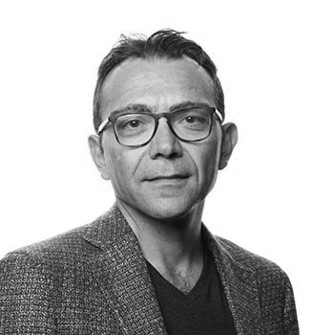
Prof. Marco Valgimigli is an Interventional Cardiologist and Deputy Chief of Cardiology at the Cardiocentro Ticino Institute in Lugano, Switzerland and head of clinical research.  He is Professor of Medicine, Faculty of Biomedical Sciences at Università della Svizzera Italiana, Lugano, Switzerland. 


He obtained his medical degree in 1997 with Summa Cum Laude at the University of Bologna, Italy, and completed his training in internal medicine at the same university (1997-1999). He received a degree in cardiological sciences at the University of Ferrara and a PhD in interventional cardiology at Erasmus Medical Center in Rotterdam.


Prof. Valgimigli is a fellow of the European Society of Cardiology (ESC), he is part of the press committee since 2006 and vice chairman of the EAPCI research committee since 2012. He also took as member of the ESC 2013 STEMI and 2014 Revascularization guidelines. He led as principal investigators more than 20 multicenter clinical trials and served as member, section coordinator or chairperson of multiple European Society of Cardiology (ESC) guidelines.


Prof. Valgimigli has published more than 700 peer-reviewed manuscripts, with research interests spanning from coronary and structural interventions to anti-thrombotics. With an H-index of 118 in Scopus and more than 5000 citations, he has been awarded with the highly Cited Researcher title in the field of medicine since 2017.

Prof. Marco Valgimigli has received financial support/sponsorship for research support, consultation, or speaker fees from the following companies:

Abbott Vascular, Alvimedica, AstraZeneca, Biotronic, Chiesi Pharma, Concept Medical, Cordis, Corflow, Daiichi Sankyo, Idorsia, Johnson & Johnson Janssen, Novartis, Om Pharma, Swiss National Science Foundation (SNF), Terumo Inc, Vesalio, 

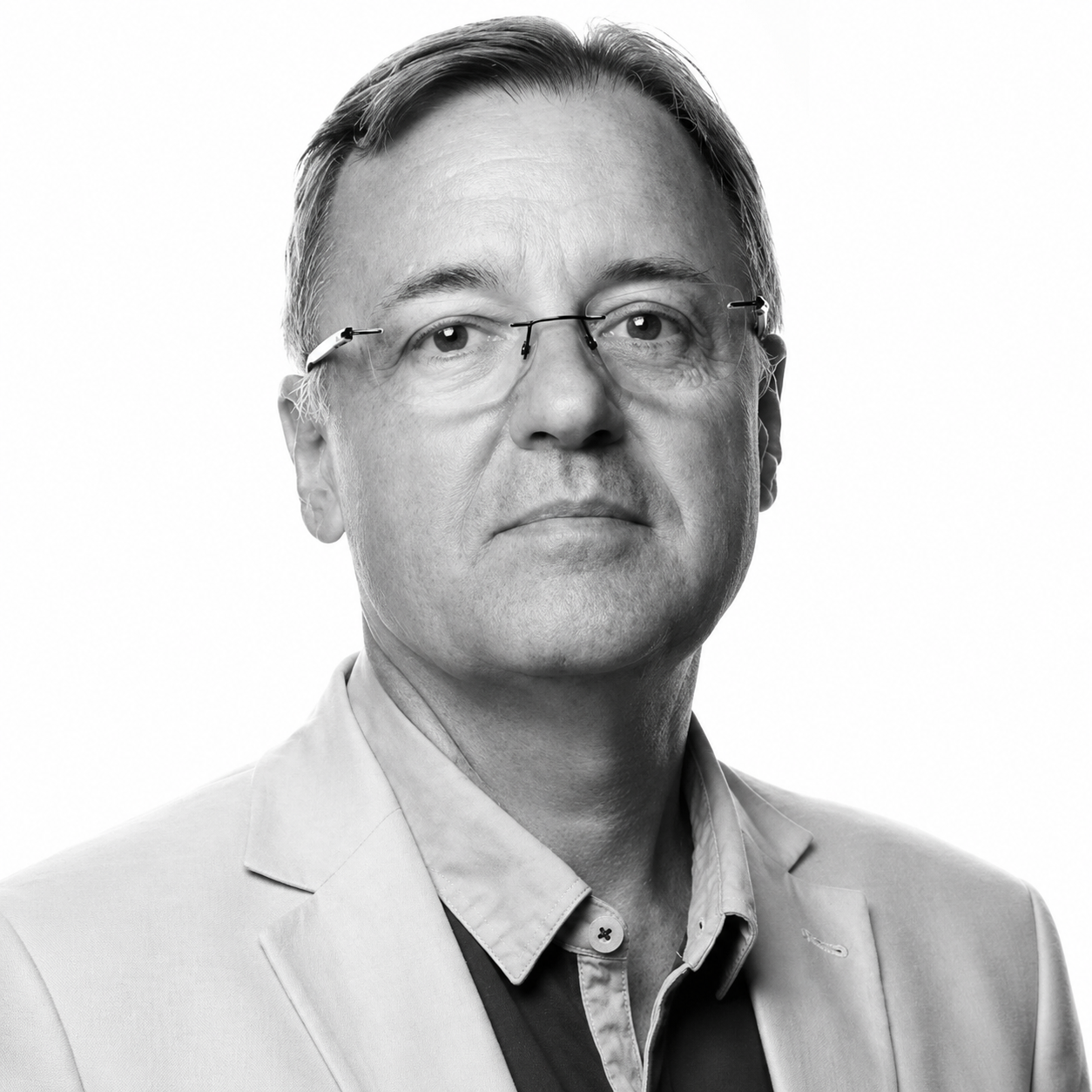
Gilles Montalescot is Professor of Cardiology at the Pitié Salpêtrière Hospital in Paris, France, where he heads the Department of Cardiology at the Institute of Cardiology. He is a practicing Interventional Cardiologist and has extensive experience in basic and clinical research. He has been the director of the INSERM research Unit UMRS_1166 on Thrombosis for 10 years.


Dr Montalescot has been an investigator for many of the new drugs developed in the past twenty years as well as for many of the new interventional technologies. Dr Montalescot is a senior scientist and has been the lead investigator of many national or international randomized trials including ADMIRAL, ARMADA, ALBION, STEEPLE, ARCHIPELAGO, ABOARD, ACAPULCO, ATOLL, ARCTIC, ANTARCTIC, ACCOAST, ATLANTIC, AEGEAN, AMERICA, ALBATROS, and the ongoing ATLANTIS, ALPHEUS, ARAMIS, ADRIFT trials.


Dr Montalescot is the Chairman of the ACTION study group, an Academic Research Organization based at Pitié Salpêtrière Hospital in Paris. He has served on several task force committees on antithrombotic drugs and acute coronary syndromes and is the current Chairman of the Stable Coronary Artery disease guidelines of the European Society of Cardiology.


Dr Montalescot has received several awards in his country including the J. Valade Prize from the Fondation de France and the J.Escalle award from the National Academy of Medicine. He is a member of several editorial boards and has published over 600 peer reviewed original articles in journals such as the NEJM, JAMA, Lancet. Internationally, Dr Montalescot has also been an invited speaker at plenary sessions of major congresses such as the European Society of Cardiology, the American College of Cardiology ,and the American Heart Association.

Prof. Gilles Montalescot has received financial support/sponsorship for research support, consultation, or speaker fees from the following companies:

Abbott, Acutebio, Amgen, Boehringer-Ingelheim, Celecor, Cell Prothera, Corflow, Hexacath, Idorsia, MSD, New Amsterdam, Novo Nordisk, Sanofi, SMT. 

Срчани удар не изгледа и не осећа се увек исто, а рано препознавање знакова упозорења може спасити живот.


Овај кратак, анимирани видео, развијен са кардиолозима проф. Жилом Монталеском и проф. Марком Валђимиљијем, објашњава симптоме срчаног удара, зашто су минути важни и шта учинити ако ви или неко у вашој близини искуси необичну нелагодност у грудима. 


Видео садржи сведочење пацијента и наглашава емоционални утицај срчаног удара, као и важност брзог деловања и позивања хитне помоћи.


Научићете:  

  • Који су то уобичајени и мање уобичајени симптоми срчаног удара и поновљеног срчаног удара 
  • Како се почетни и поновљени симптоми могу разликовати код жена, старијих особа и људи са дијабетесом или болешћу бубрега  
  • Зашто је брза реакција кључна  
  • Да је опоравак физички и емоционални процес 


Преузмите пратећи инфографик и поделите ове ресурсе како бисте помогли другима да рано препознају знаке. 


Клинички закључци 

  • Симптоми срчаног удара су обично присутни у грудима и могу се ширити ка левој руци или врату, али могу се веома разликовати од особе до особе.  
  • Жене, старије особе и појединци са дијабетесом или болешћу бубрега имају већу вероватноћу да искусе мање уобичајене симптоме.
  • Други срчани удар може се осећати другачије, због чега је важно обратити пажњу на било какав необичан осећај или нелагодност у грудима.
  • Ако у грудима осетите нешто необично или забрињавајуће што траје дуже од неколико минута, одмах позовите хитну помоћ, јер брза реакција може спасити ваше срце и ваш живот. 
  • Један срчани удар повећава шансу за други, стога су брзо препознавање симптома и придржавање плана лечења и промена животног стила од суштинског значаја.
  • Нормално је осећати страх, забринутост или потиштеност након срчаног удара, а разговор са лекаром, породицом или групом за подршку може олакшати опоравак и помоћи да поново изградите самопоуздање.
  • Повећати свест о почетним и поновљеним симптомима инфаркта миокарда (ИМ)
  • Побољшати препознавање и правовремену реакцију на први и поновљени инфаркт миокарда 
  • Побољшати разумевање фактора ризика за први и поновљени инфаркт миокарда   
  • Сагледати психолошки утицај првог инфаркта миокарда

Prof. Marco Valgimigli is an Interventional Cardiologist and Deputy Chief of Cardiology at the Cardiocentro Ticino Institute in Lugano, Switzerland and head of clinical research.  He is Professor of Medicine, Faculty of Biomedical Sciences at Università della Svizzera Italiana, Lugano, Switzerland. 


He obtained his medical degree in 1997 with Summa Cum Laude at the University of Bologna, Italy, and completed his training in internal medicine at the same university (1997-1999). He received a degree in cardiological sciences at the University of Ferrara and a PhD in interventional cardiology at Erasmus Medical Center in Rotterdam.


Prof. Valgimigli is a fellow of the European Society of Cardiology (ESC), he is part of the press committee since 2006 and vice chairman of the EAPCI research committee since 2012. He also took as member of the ESC 2013 STEMI and 2014 Revascularization guidelines. He led as principal investigators more than 20 multicenter clinical trials and served as member, section coordinator or chairperson of multiple European Society of Cardiology (ESC) guidelines.


Prof. Valgimigli has published more than 700 peer-reviewed manuscripts, with research interests spanning from coronary and structural interventions to anti-thrombotics. With an H-index of 118 in Scopus and more than 5000 citations, he has been awarded with the highly Cited Researcher title in the field of medicine since 2017.

Prof. Marco Valgimigli has received financial support/sponsorship for research support, consultation, or speaker fees from the following companies:

Abbott Vascular, Alvimedica, AstraZeneca, Biotronic, Chiesi Pharma, Concept Medical, Cordis, Corflow, Daiichi Sankyo, Idorsia, Johnson & Johnson Janssen, Novartis, Om Pharma, Swiss National Science Foundation (SNF), Terumo Inc, Vesalio, 

Gilles Montalescot is Professor of Cardiology at the Pitié Salpêtrière Hospital in Paris, France, where he heads the Department of Cardiology at the Institute of Cardiology. He is a practicing Interventional Cardiologist and has extensive experience in basic and clinical research. He has been the director of the INSERM research Unit UMRS_1166 on Thrombosis for 10 years.


Dr Montalescot has been an investigator for many of the new drugs developed in the past twenty years as well as for many of the new interventional technologies. Dr Montalescot is a senior scientist and has been the lead investigator of many national or international randomized trials including ADMIRAL, ARMADA, ALBION, STEEPLE, ARCHIPELAGO, ABOARD, ACAPULCO, ATOLL, ARCTIC, ANTARCTIC, ACCOAST, ATLANTIC, AEGEAN, AMERICA, ALBATROS, and the ongoing ATLANTIS, ALPHEUS, ARAMIS, ADRIFT trials.


Dr Montalescot is the Chairman of the ACTION study group, an Academic Research Organization based at Pitié Salpêtrière Hospital in Paris. He has served on several task force committees on antithrombotic drugs and acute coronary syndromes and is the current Chairman of the Stable Coronary Artery disease guidelines of the European Society of Cardiology.


Dr Montalescot has received several awards in his country including the J. Valade Prize from the Fondation de France and the J.Escalle award from the National Academy of Medicine. He is a member of several editorial boards and has published over 600 peer reviewed original articles in journals such as the NEJM, JAMA, Lancet. Internationally, Dr Montalescot has also been an invited speaker at plenary sessions of major congresses such as the European Society of Cardiology, the American College of Cardiology ,and the American Heart Association.

Prof. Gilles Montalescot has received financial support/sponsorship for research support, consultation, or speaker fees from the following companies:

Abbott, Acutebio, Amgen, Boehringer-Ingelheim, Celecor, Cell Prothera, Corflow, Hexacath, Idorsia, MSD, New Amsterdam, Novo Nordisk, Sanofi, SMT. 

Срчани удар не изгледа и не осећа се увек исто, а рано препознавање знакова упозорења може спасити живот.


Овај кратак, анимирани видео, развијен са кардиолозима проф. Жилом Монталеском и проф. Марком Валђимиљијем, објашњава симптоме срчаног удара, зашто су минути важни и шта учинити ако ви или неко у вашој близини искуси необичну нелагодност у грудима. 


Видео садржи сведочење пацијента и наглашава емоционални утицај срчаног удара, као и важност брзог деловања и позивања хитне помоћи.


Научићете:  

  • Који су то уобичајени и мање уобичајени симптоми срчаног удара и поновљеног срчаног удара 
  • Како се почетни и поновљени симптоми могу разликовати код жена, старијих особа и људи са дијабетесом или болешћу бубрега  
  • Зашто је брза реакција кључна  
  • Да је опоравак физички и емоционални процес 


Преузмите пратећи инфографик и поделите ове ресурсе како бисте помогли другима да рано препознају знаке. 


Клинички закључци 

  • Симптоми срчаног удара су обично присутни у грудима и могу се ширити ка левој руци или врату, али могу се веома разликовати од особе до особе.  
  • Жене, старије особе и појединци са дијабетесом или болешћу бубрега имају већу вероватноћу да искусе мање уобичајене симптоме.
  • Други срчани удар може се осећати другачије, због чега је важно обратити пажњу на било какав необичан осећај или нелагодност у грудима.
  • Ако у грудима осетите нешто необично или забрињавајуће што траје дуже од неколико минута, одмах позовите хитну помоћ, јер брза реакција може спасити ваше срце и ваш живот. 
  • Један срчани удар повећава шансу за други, стога су брзо препознавање симптома и придржавање плана лечења и промена животног стила од суштинског значаја.
  • Нормално је осећати страх, забринутост или потиштеност након срчаног удара, а разговор са лекаром, породицом или групом за подршку може олакшати опоравак и помоћи да поново изградите самопоуздање.
  • Повећати свест о почетним и поновљеним симптомима инфаркта миокарда (ИМ)
  • Побољшати препознавање и правовремену реакцију на први и поновљени инфаркт миокарда 
  • Побољшати разумевање фактора ризика за први и поновљени инфаркт миокарда   
  • Сагледати психолошки утицај првог инфаркта миокарда

Prof. Marco Valgimigli is an Interventional Cardiologist and Deputy Chief of Cardiology at the Cardiocentro Ticino Institute in Lugano, Switzerland and head of clinical research.  He is Professor of Medicine, Faculty of Biomedical Sciences at Università della Svizzera Italiana, Lugano, Switzerland. 


He obtained his medical degree in 1997 with Summa Cum Laude at the University of Bologna, Italy, and completed his training in internal medicine at the same university (1997-1999). He received a degree in cardiological sciences at the University of Ferrara and a PhD in interventional cardiology at Erasmus Medical Center in Rotterdam.


Prof. Valgimigli is a fellow of the European Society of Cardiology (ESC), he is part of the press committee since 2006 and vice chairman of the EAPCI research committee since 2012. He also took as member of the ESC 2013 STEMI and 2014 Revascularization guidelines. He led as principal investigators more than 20 multicenter clinical trials and served as member, section coordinator or chairperson of multiple European Society of Cardiology (ESC) guidelines.


Prof. Valgimigli has published more than 700 peer-reviewed manuscripts, with research interests spanning from coronary and structural interventions to anti-thrombotics. With an H-index of 118 in Scopus and more than 5000 citations, he has been awarded with the highly Cited Researcher title in the field of medicine since 2017.

Prof. Marco Valgimigli has received financial support/sponsorship for research support, consultation, or speaker fees from the following companies:

Abbott Vascular, Alvimedica, AstraZeneca, Biotronic, Chiesi Pharma, Concept Medical, Cordis, Corflow, Daiichi Sankyo, Idorsia, Johnson & Johnson Janssen, Novartis, Om Pharma, Swiss National Science Foundation (SNF), Terumo Inc, Vesalio, 

Gilles Montalescot is Professor of Cardiology at the Pitié Salpêtrière Hospital in Paris, France, where he heads the Department of Cardiology at the Institute of Cardiology. He is a practicing Interventional Cardiologist and has extensive experience in basic and clinical research. He has been the director of the INSERM research Unit UMRS_1166 on Thrombosis for 10 years.


Dr Montalescot has been an investigator for many of the new drugs developed in the past twenty years as well as for many of the new interventional technologies. Dr Montalescot is a senior scientist and has been the lead investigator of many national or international randomized trials including ADMIRAL, ARMADA, ALBION, STEEPLE, ARCHIPELAGO, ABOARD, ACAPULCO, ATOLL, ARCTIC, ANTARCTIC, ACCOAST, ATLANTIC, AEGEAN, AMERICA, ALBATROS, and the ongoing ATLANTIS, ALPHEUS, ARAMIS, ADRIFT trials.


Dr Montalescot is the Chairman of the ACTION study group, an Academic Research Organization based at Pitié Salpêtrière Hospital in Paris. He has served on several task force committees on antithrombotic drugs and acute coronary syndromes and is the current Chairman of the Stable Coronary Artery disease guidelines of the European Society of Cardiology.


Dr Montalescot has received several awards in his country including the J. Valade Prize from the Fondation de France and the J.Escalle award from the National Academy of Medicine. He is a member of several editorial boards and has published over 600 peer reviewed original articles in journals such as the NEJM, JAMA, Lancet. Internationally, Dr Montalescot has also been an invited speaker at plenary sessions of major congresses such as the European Society of Cardiology, the American College of Cardiology ,and the American Heart Association.

Prof. Gilles Montalescot has received financial support/sponsorship for research support, consultation, or speaker fees from the following companies:

Abbott, Acutebio, Amgen, Boehringer-Ingelheim, Celecor, Cell Prothera, Corflow, Hexacath, Idorsia, MSD, New Amsterdam, Novo Nordisk, Sanofi, SMT. 

Programme summary
Watch the video now
Other episodes of this series
Heart attack warning signs everyone should know

Heart attack warning signs everyone should know

Recognising heart attack symptoms and acting fast

Signes avant-coureurs de la crise cardiaque que tout le monde doit connaître

Signes avant-coureurs de la crise cardiaque que tout le monde doit connaître

Reconnaître les symptômes d’une crise cardiaque et agir vite

Segnali di avvertimento di infarto che tutti dovrebbero conoscere

Segnali di avvertimento di infarto che tutti dovrebbero conoscere

Riconoscere i sintomi di infarto e agire rapidamente

Warnsignale eines Herzinfarkts, die jeder kennen sollt

Warnsignale eines Herzinfarkts, die jeder kennen sollt

Herzinfarkt-Symptome erkennen und schnell handeln

Знаци упозорења на  срчани удар које би свако требало да зна

Знаци упозорења на срчани удар које би свако требало да зна

Препознавање симптома срчаног удара и брза реакција

Current Episode
Share this programme
Овај едукативни програм подржан је кроз Независни образовни грант компаније Виатрис. 
Supporter Acknowledgement
Овај едукативни програм подржан је кроз Независни образовни грант компаније Виатрис. 
Endorsement
I agree that this educational programme:

Was valuable to me

1/4
Brought to you by
CORONARY CONNECT

CORONARY CONNECT is an initiative of COR2ED, supported by Independent Educational Grants from Amgen and Viatris.

Meet the experts Independent IME approved
Programme summary
Watch the video now
Other episodes of this series
Heart attack warning signs everyone should know

Heart attack warning signs everyone should know

Recognising heart attack symptoms and acting fast

Signes avant-coureurs de la crise cardiaque que tout le monde doit connaître

Signes avant-coureurs de la crise cardiaque que tout le monde doit connaître

Reconnaître les symptômes d’une crise cardiaque et agir vite

Segnali di avvertimento di infarto che tutti dovrebbero conoscere

Segnali di avvertimento di infarto che tutti dovrebbero conoscere

Riconoscere i sintomi di infarto e agire rapidamente

Warnsignale eines Herzinfarkts, die jeder kennen sollt

Warnsignale eines Herzinfarkts, die jeder kennen sollt

Herzinfarkt-Symptome erkennen und schnell handeln

Знаци упозорења на  срчани удар које би свако требало да зна

Знаци упозорења на срчани удар које би свако требало да зна

Препознавање симптома срчаног удара и брза реакција

Current Episode
Share this programme
Овај едукативни програм подржан је кроз Независни образовни грант компаније Виатрис. 
Supporter Acknowledgement
Овај едукативни програм подржан је кроз Независни образовни грант компаније Виатрис. 
Endorsement
I agree that this educational programme:

Was valuable to me

1/4
Brought to you by
CORONARY CONNECT

CORONARY CONNECT is an initiative of COR2ED, supported by Independent Educational Grants from Amgen and Viatris.

Meet the experts Independent IME approved
Programme summary
Other episodes of this series
Heart attack warning signs everyone should know

Heart attack warning signs everyone should know

Recognising heart attack symptoms and acting fast

Signes avant-coureurs de la crise cardiaque que tout le monde doit connaître

Signes avant-coureurs de la crise cardiaque que tout le monde doit connaître

Reconnaître les symptômes d’une crise cardiaque et agir vite

Segnali di avvertimento di infarto che tutti dovrebbero conoscere

Segnali di avvertimento di infarto che tutti dovrebbero conoscere

Riconoscere i sintomi di infarto e agire rapidamente

Warnsignale eines Herzinfarkts, die jeder kennen sollt

Warnsignale eines Herzinfarkts, die jeder kennen sollt

Herzinfarkt-Symptome erkennen und schnell handeln

Знаци упозорења на  срчани удар које би свако требало да зна

Знаци упозорења на срчани удар које би свако требало да зна

Препознавање симптома срчаног удара и брза реакција

Current Episode
Share this programme
Овај едукативни програм подржан је кроз Независни образовни грант компаније Виатрис. 
Supporter Acknowledgement
Овај едукативни програм подржан је кроз Независни образовни грант компаније Виатрис. 
Endorsement
I agree that this educational programme:

Was valuable to me

1/4
Brought to you by
CORONARY CONNECT

CORONARY CONNECT is an initiative of COR2ED, supported by Independent Educational Grants from Amgen and Viatris.

Meet the experts Independent IME approved

Other programmes of interest

eks
EKS / On-demand webinar
Oncology 
Multiple Myeloma: Is it time to rethink how we sequence treatments?

On-demand materials from an Experts Knowledge Share event

Experts
Prof. Karthik Ramasamy, Dr Joshua Richter, Dr Faisal Basheer, Dr Andrew Charlton
  • download Downloadable
    Resources
  • clock 80 MIN
  • calendar Mar 2026

This programme has been sponsored by Menarini Stemline and is intended for HCPs in the UK only    MAT-GB-SEL-00774
conference-update Conference update

Episode

2

of 2

episode
Oncology Rare diseases Endocrinology 
Actualités du Congrès l’ENETS 2026

Points de vue d’experts sur les dernières données concernant le cancer neuroendocrinien

Experts
Prof. Louis de Mestier, Prof. Timon Vandamme, Dr Alice Durand
  • clock 5 MIN
  • calendar Mar 2026
  • Non-accredited Independent Medical Education

Cette vidéo est soutenue par une subvention indépendante à visée éducative d’Ipsen.  Les contenus publiés sur ce site internet sont sous la responsabilité de leurs auteurs. Certaines données scientifiques publiées sur ce site sont susceptibles de ne pas être validées par la commission d’Autorisation de Mise sur le Marché, et ne doivent pas être mises en pratique. Elles doivent être lues et comprises avec le plus grand discernement et sont données dans leur cadre de la diffusion de l’information sur l’état actuel de la recherche auprès de la communauté scientifique internationale  
conference-update Conference update

Episode

1

of 2

episode
Oncology Rare diseases Endocrinology 
Update from ENETS 2026

Experts share their views on latest data in neuroendocrine cancer

Experts
Prof. Louis de Mestier, Prof. Timon Vandamme, Dr Alice Durand
  • clock 5 MIN
  • calendar Mar 2026
  • Non-accredited Independent Medical Education

This educational programme is supported by an Independent Educational Grant from Ipsen. The content published on this website is under the responsibility of its authors. Some scientific data published on this website may not have been validated by the relevant Marketing Authorisation Committees and should not be put into practice. It should be read and understood with the utmost discernment and is provided for the purpose of disseminating information on the current state of research to the international scientific community.
patient-support Patient Support
Oncology Hemato-oncology Pediatrics 
Personalised treatment in childhood cancer: A journey through NTRK fusion testing

Experts
Linet Menachery
Endorsed by
NTRKers ICAN international cancer advocacy network Biomarker Collaborative
  • clock 4 MIN
  • calendar Mar 2026
  • Non-accredited Independent Medical Education

Educational programme supported by an Independent Educational Grant from Bayer.
conference-update Conference update
Oncology 
Update from ESGO 2026 – PYNNACLE Phase 2 study: Interim results from the ovarian cancer cohort

Clinical insights and expert discussion

Experts
Prof. Domenica Lorusso, Prof. Jean-Sebastien Frenel
  • download Downloadable
    Resources
  • clock 5 MIN
  • calendar Mar 2026

This programme has been sponsored by PMV Pharma and is intended for HCPs only.