Herzinfarkte sehen und fühlen sich nicht immer gleich an, und das frühzeitige Erkennen der Warnzeichen kann Leben retten.


In diesem kurzen Animationsvideo, das mit den Kardiologen Prof. Gilles Montalescot und Prof. Marco Valgimigli entwickelt wurde, werden die Symptome eines Herzinfarkts erklärt, warum jede Minute zählt und was zu tun ist, wenn Sie oder eine Person in Ihrer Nähe ungewöhnliche Brustbeschwerden verspüren.


Das Video enthält den Erfahrungsbericht einer Patientin und verdeutlicht die emotionalen Folgen eines Herzinfarkts und wie wichtig es ist, schnell zu handeln und den Rettungsdienst zu verständigen.


Sie lernen:

  • Häufige und seltenere Herzinfarkt-Symptome und Anzeichen eines wiederkehrenden Herzinfarkts
  • Wie anfängliche und wiederkehrende Symptome bei Frauen, älteren Erwachsenen und Menschen mit Diabetes oder Nierenerkrankung unterschiedlich sein können
  • Warum sofortiges Handeln entscheidend ist
  • Dass die Genesung sowohl körperlich als auch emotional verläuft


Laden Sie die begleitende Infografik herunter und teilen Sie diese Ressourcen, um anderen zu helfen, die Anzeichen frühzeitig zu erkennen.


Klinische Erkenntnisse

  • Herzinfarkt-Symptome treten häufig in der Brust auf und können in den linken Arm oder in den Hals ausstrahlen, sie können jedoch von Person zu Person stark variieren.
  • Frauen, ältere Erwachsene und Personen mit Diabetes oder Nierenerkrankung erleben mit größerer Wahrscheinlichkeit seltenere Symptome.
  • Ein zweiter Herzinfarkt kann sich anders anfühlen, daher ist es wichtig, auf ungewöhnliche Brustgefühle oder Beschwerden zu achten.
  • Wenn sich etwas in Ihrer Brust ungewöhnlich oder beunruhigend anfühlt und länger als ein paar Minuten anhält, rufen Sie sofort die Rettungsdienste, denn schnelles Handeln kann Ihr Herz und Ihr Leben retten.
  • Einen Herzinfarkt zu erleiden, erhöht das Risiko für einen weiteren. Daher ist es unerlässlich, die Symptome schnell zu erkennen und Ihren Therapie- und Nachsorgeplan sowie die Änderungen in Ihrem Lebensstil zu befolgen.
  • Es ist normal, sich nach einem Herzinfarkt ängstlich, besorgt oder niedergeschlagen zu fühlen. Gespräche mit Ihrem Arzt, Ihrer Familie oder in einer Selbsthilfegruppe können die Genesung erleichtern und helfen dabei, Vertrauen wieder aufbauen.
  • Steigerung des Bewusstseins für die Symptome eines ersten und eines erneuten Myokardinfarkts (MI)
  • Verbesserung der Erkennung und des zeitnahen Handelns bei einem ersten und einem erneuten MI
  • Verbesserung des Verständnisses der Risikofaktoren für einen ersten und einen erneuten MI
  • Bewältigung der psychologischen Auswirkungen eines ersten MI

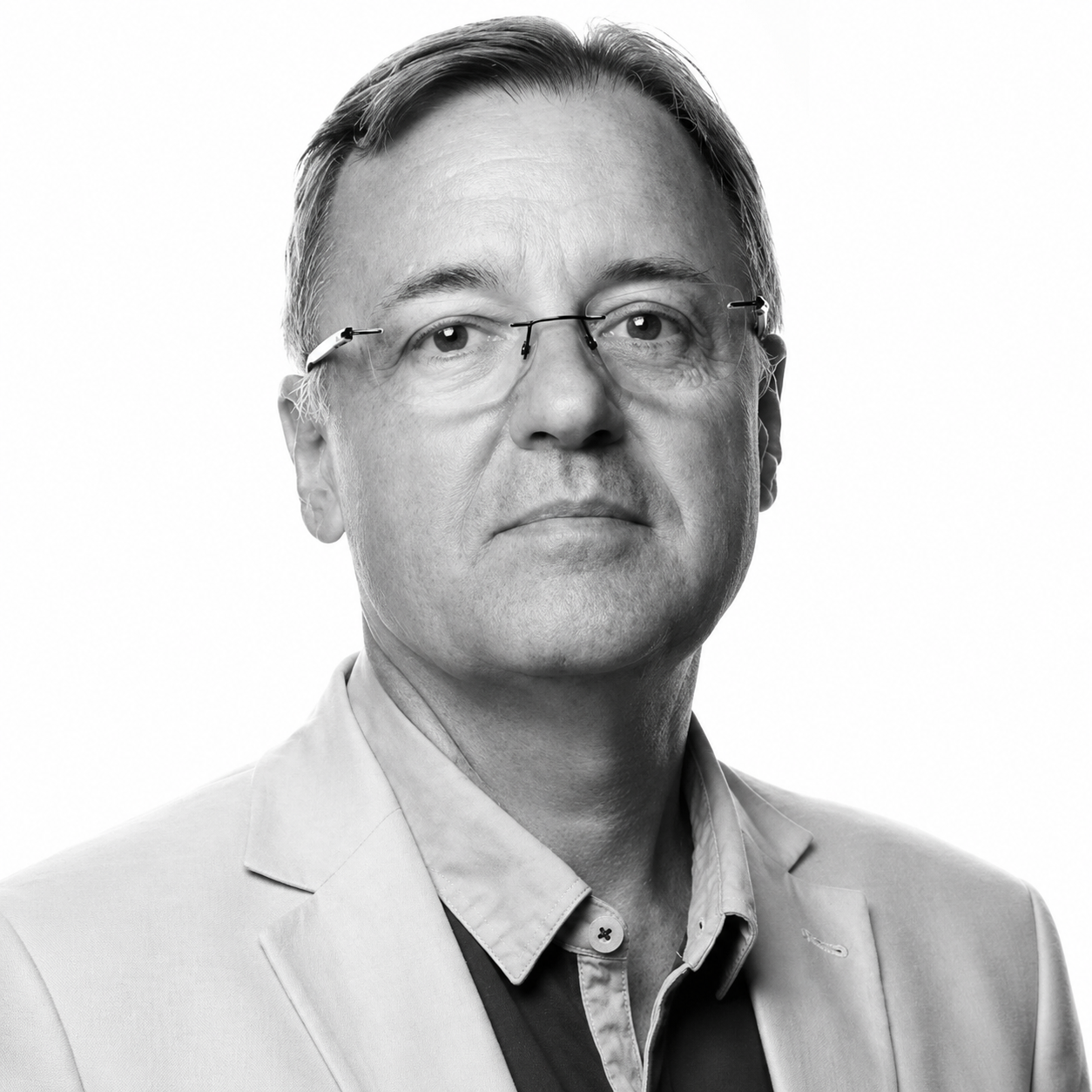
Gilles Montalescot is Professor of Cardiology at the Pitié Salpêtrière Hospital in Paris, France, where he heads the Department of Cardiology at the Institute of Cardiology. He is a practicing Interventional Cardiologist and has extensive experience in basic and clinical research. He has been the director of the INSERM research Unit UMRS_1166 on Thrombosis for 10 years.


Dr Montalescot has been an investigator for many of the new drugs developed in the past twenty years as well as for many of the new interventional technologies. Dr Montalescot is a senior scientist and has been the lead investigator of many national or international randomized trials including ADMIRAL, ARMADA, ALBION, STEEPLE, ARCHIPELAGO, ABOARD, ACAPULCO, ATOLL, ARCTIC, ANTARCTIC, ACCOAST, ATLANTIC, AEGEAN, AMERICA, ALBATROS, and the ongoing ATLANTIS, ALPHEUS, ARAMIS, ADRIFT trials.


Dr Montalescot is the Chairman of the ACTION study group, an Academic Research Organization based at Pitié Salpêtrière Hospital in Paris. He has served on several task force committees on antithrombotic drugs and acute coronary syndromes and is the current Chairman of the Stable Coronary Artery disease guidelines of the European Society of Cardiology.


Dr Montalescot has received several awards in his country including the J. Valade Prize from the Fondation de France and the J.Escalle award from the National Academy of Medicine. He is a member of several editorial boards and has published over 600 peer reviewed original articles in journals such as the NEJM, JAMA, Lancet. Internationally, Dr Montalescot has also been an invited speaker at plenary sessions of major congresses such as the European Society of Cardiology, the American College of Cardiology ,and the American Heart Association.

Prof. Gilles Montalescot has received financial support/sponsorship for research support, consultation, or speaker fees from the following companies:

Abbott, Acutebio, Amgen, Boehringer-Ingelheim, Celecor, Cell Prothera, Corflow, Hexacath, Idorsia, MSD, New Amsterdam, Novo Nordisk, Sanofi, SMT. 

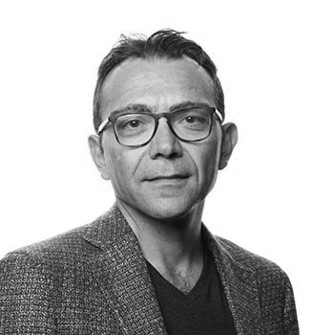
Prof. Marco Valgimigli is an Interventional Cardiologist and Deputy Chief of Cardiology at the Cardiocentro Ticino Institute in Lugano, Switzerland and head of clinical research.  He is Professor of Medicine, Faculty of Biomedical Sciences at Università della Svizzera Italiana, Lugano, Switzerland. 


He obtained his medical degree in 1997 with Summa Cum Laude at the University of Bologna, Italy, and completed his training in internal medicine at the same university (1997-1999). He received a degree in cardiological sciences at the University of Ferrara and a PhD in interventional cardiology at Erasmus Medical Center in Rotterdam.


Prof. Valgimigli is a fellow of the European Society of Cardiology (ESC), he is part of the press committee since 2006 and vice chairman of the EAPCI research committee since 2012. He also took as member of the ESC 2013 STEMI and 2014 Revascularization guidelines. He led as principal investigators more than 20 multicenter clinical trials and served as member, section coordinator or chairperson of multiple European Society of Cardiology (ESC) guidelines.


Prof. Valgimigli has published more than 700 peer-reviewed manuscripts, with research interests spanning from coronary and structural interventions to anti-thrombotics. With an H-index of 118 in Scopus and more than 5000 citations, he has been awarded with the highly Cited Researcher title in the field of medicine since 2017.

Prof. Marco Valgimigli has received financial support/sponsorship for research support, consultation, or speaker fees from the following companies:

Abbott Vascular, Alvimedica, AstraZeneca, Biotronic, Chiesi Pharma, Concept Medical, Cordis, Corflow, Daiichi Sankyo, Idorsia, Johnson & Johnson Janssen, Novartis, Om Pharma, Swiss National Science Foundation (SNF), Terumo Inc, Vesalio, 

Herzinfarkte sehen und fühlen sich nicht immer gleich an, und das frühzeitige Erkennen der Warnzeichen kann Leben retten.


In diesem kurzen Animationsvideo, das mit den Kardiologen Prof. Gilles Montalescot und Prof. Marco Valgimigli entwickelt wurde, werden die Symptome eines Herzinfarkts erklärt, warum jede Minute zählt und was zu tun ist, wenn Sie oder eine Person in Ihrer Nähe ungewöhnliche Brustbeschwerden verspüren.


Das Video enthält den Erfahrungsbericht einer Patientin und verdeutlicht die emotionalen Folgen eines Herzinfarkts und wie wichtig es ist, schnell zu handeln und den Rettungsdienst zu verständigen.


Sie lernen:

  • Häufige und seltenere Herzinfarkt-Symptome und Anzeichen eines wiederkehrenden Herzinfarkts
  • Wie anfängliche und wiederkehrende Symptome bei Frauen, älteren Erwachsenen und Menschen mit Diabetes oder Nierenerkrankung unterschiedlich sein können
  • Warum sofortiges Handeln entscheidend ist
  • Dass die Genesung sowohl körperlich als auch emotional verläuft


Laden Sie die begleitende Infografik herunter und teilen Sie diese Ressourcen, um anderen zu helfen, die Anzeichen frühzeitig zu erkennen.


Klinische Erkenntnisse

  • Herzinfarkt-Symptome treten häufig in der Brust auf und können in den linken Arm oder in den Hals ausstrahlen, sie können jedoch von Person zu Person stark variieren.
  • Frauen, ältere Erwachsene und Personen mit Diabetes oder Nierenerkrankung erleben mit größerer Wahrscheinlichkeit seltenere Symptome.
  • Ein zweiter Herzinfarkt kann sich anders anfühlen, daher ist es wichtig, auf ungewöhnliche Brustgefühle oder Beschwerden zu achten.
  • Wenn sich etwas in Ihrer Brust ungewöhnlich oder beunruhigend anfühlt und länger als ein paar Minuten anhält, rufen Sie sofort die Rettungsdienste, denn schnelles Handeln kann Ihr Herz und Ihr Leben retten.
  • Einen Herzinfarkt zu erleiden, erhöht das Risiko für einen weiteren. Daher ist es unerlässlich, die Symptome schnell zu erkennen und Ihren Therapie- und Nachsorgeplan sowie die Änderungen in Ihrem Lebensstil zu befolgen.
  • Es ist normal, sich nach einem Herzinfarkt ängstlich, besorgt oder niedergeschlagen zu fühlen. Gespräche mit Ihrem Arzt, Ihrer Familie oder in einer Selbsthilfegruppe können die Genesung erleichtern und helfen dabei, Vertrauen wieder aufbauen.
  • Steigerung des Bewusstseins für die Symptome eines ersten und eines erneuten Myokardinfarkts (MI)
  • Verbesserung der Erkennung und des zeitnahen Handelns bei einem ersten und einem erneuten MI
  • Verbesserung des Verständnisses der Risikofaktoren für einen ersten und einen erneuten MI
  • Bewältigung der psychologischen Auswirkungen eines ersten MI

Gilles Montalescot is Professor of Cardiology at the Pitié Salpêtrière Hospital in Paris, France, where he heads the Department of Cardiology at the Institute of Cardiology. He is a practicing Interventional Cardiologist and has extensive experience in basic and clinical research. He has been the director of the INSERM research Unit UMRS_1166 on Thrombosis for 10 years.


Dr Montalescot has been an investigator for many of the new drugs developed in the past twenty years as well as for many of the new interventional technologies. Dr Montalescot is a senior scientist and has been the lead investigator of many national or international randomized trials including ADMIRAL, ARMADA, ALBION, STEEPLE, ARCHIPELAGO, ABOARD, ACAPULCO, ATOLL, ARCTIC, ANTARCTIC, ACCOAST, ATLANTIC, AEGEAN, AMERICA, ALBATROS, and the ongoing ATLANTIS, ALPHEUS, ARAMIS, ADRIFT trials.


Dr Montalescot is the Chairman of the ACTION study group, an Academic Research Organization based at Pitié Salpêtrière Hospital in Paris. He has served on several task force committees on antithrombotic drugs and acute coronary syndromes and is the current Chairman of the Stable Coronary Artery disease guidelines of the European Society of Cardiology.


Dr Montalescot has received several awards in his country including the J. Valade Prize from the Fondation de France and the J.Escalle award from the National Academy of Medicine. He is a member of several editorial boards and has published over 600 peer reviewed original articles in journals such as the NEJM, JAMA, Lancet. Internationally, Dr Montalescot has also been an invited speaker at plenary sessions of major congresses such as the European Society of Cardiology, the American College of Cardiology ,and the American Heart Association.

Prof. Gilles Montalescot has received financial support/sponsorship for research support, consultation, or speaker fees from the following companies:

Abbott, Acutebio, Amgen, Boehringer-Ingelheim, Celecor, Cell Prothera, Corflow, Hexacath, Idorsia, MSD, New Amsterdam, Novo Nordisk, Sanofi, SMT. 

Prof. Marco Valgimigli is an Interventional Cardiologist and Deputy Chief of Cardiology at the Cardiocentro Ticino Institute in Lugano, Switzerland and head of clinical research.  He is Professor of Medicine, Faculty of Biomedical Sciences at Università della Svizzera Italiana, Lugano, Switzerland. 


He obtained his medical degree in 1997 with Summa Cum Laude at the University of Bologna, Italy, and completed his training in internal medicine at the same university (1997-1999). He received a degree in cardiological sciences at the University of Ferrara and a PhD in interventional cardiology at Erasmus Medical Center in Rotterdam.


Prof. Valgimigli is a fellow of the European Society of Cardiology (ESC), he is part of the press committee since 2006 and vice chairman of the EAPCI research committee since 2012. He also took as member of the ESC 2013 STEMI and 2014 Revascularization guidelines. He led as principal investigators more than 20 multicenter clinical trials and served as member, section coordinator or chairperson of multiple European Society of Cardiology (ESC) guidelines.


Prof. Valgimigli has published more than 700 peer-reviewed manuscripts, with research interests spanning from coronary and structural interventions to anti-thrombotics. With an H-index of 118 in Scopus and more than 5000 citations, he has been awarded with the highly Cited Researcher title in the field of medicine since 2017.

Prof. Marco Valgimigli has received financial support/sponsorship for research support, consultation, or speaker fees from the following companies:

Abbott Vascular, Alvimedica, AstraZeneca, Biotronic, Chiesi Pharma, Concept Medical, Cordis, Corflow, Daiichi Sankyo, Idorsia, Johnson & Johnson Janssen, Novartis, Om Pharma, Swiss National Science Foundation (SNF), Terumo Inc, Vesalio, 

Herzinfarkte sehen und fühlen sich nicht immer gleich an, und das frühzeitige Erkennen der Warnzeichen kann Leben retten.


In diesem kurzen Animationsvideo, das mit den Kardiologen Prof. Gilles Montalescot und Prof. Marco Valgimigli entwickelt wurde, werden die Symptome eines Herzinfarkts erklärt, warum jede Minute zählt und was zu tun ist, wenn Sie oder eine Person in Ihrer Nähe ungewöhnliche Brustbeschwerden verspüren.


Das Video enthält den Erfahrungsbericht einer Patientin und verdeutlicht die emotionalen Folgen eines Herzinfarkts und wie wichtig es ist, schnell zu handeln und den Rettungsdienst zu verständigen.


Sie lernen:

  • Häufige und seltenere Herzinfarkt-Symptome und Anzeichen eines wiederkehrenden Herzinfarkts
  • Wie anfängliche und wiederkehrende Symptome bei Frauen, älteren Erwachsenen und Menschen mit Diabetes oder Nierenerkrankung unterschiedlich sein können
  • Warum sofortiges Handeln entscheidend ist
  • Dass die Genesung sowohl körperlich als auch emotional verläuft


Laden Sie die begleitende Infografik herunter und teilen Sie diese Ressourcen, um anderen zu helfen, die Anzeichen frühzeitig zu erkennen.


Klinische Erkenntnisse

  • Herzinfarkt-Symptome treten häufig in der Brust auf und können in den linken Arm oder in den Hals ausstrahlen, sie können jedoch von Person zu Person stark variieren.
  • Frauen, ältere Erwachsene und Personen mit Diabetes oder Nierenerkrankung erleben mit größerer Wahrscheinlichkeit seltenere Symptome.
  • Ein zweiter Herzinfarkt kann sich anders anfühlen, daher ist es wichtig, auf ungewöhnliche Brustgefühle oder Beschwerden zu achten.
  • Wenn sich etwas in Ihrer Brust ungewöhnlich oder beunruhigend anfühlt und länger als ein paar Minuten anhält, rufen Sie sofort die Rettungsdienste, denn schnelles Handeln kann Ihr Herz und Ihr Leben retten.
  • Einen Herzinfarkt zu erleiden, erhöht das Risiko für einen weiteren. Daher ist es unerlässlich, die Symptome schnell zu erkennen und Ihren Therapie- und Nachsorgeplan sowie die Änderungen in Ihrem Lebensstil zu befolgen.
  • Es ist normal, sich nach einem Herzinfarkt ängstlich, besorgt oder niedergeschlagen zu fühlen. Gespräche mit Ihrem Arzt, Ihrer Familie oder in einer Selbsthilfegruppe können die Genesung erleichtern und helfen dabei, Vertrauen wieder aufbauen.
  • Steigerung des Bewusstseins für die Symptome eines ersten und eines erneuten Myokardinfarkts (MI)
  • Verbesserung der Erkennung und des zeitnahen Handelns bei einem ersten und einem erneuten MI
  • Verbesserung des Verständnisses der Risikofaktoren für einen ersten und einen erneuten MI
  • Bewältigung der psychologischen Auswirkungen eines ersten MI

Prof. Marco Valgimigli is an Interventional Cardiologist and Deputy Chief of Cardiology at the Cardiocentro Ticino Institute in Lugano, Switzerland and head of clinical research.  He is Professor of Medicine, Faculty of Biomedical Sciences at Università della Svizzera Italiana, Lugano, Switzerland. 


He obtained his medical degree in 1997 with Summa Cum Laude at the University of Bologna, Italy, and completed his training in internal medicine at the same university (1997-1999). He received a degree in cardiological sciences at the University of Ferrara and a PhD in interventional cardiology at Erasmus Medical Center in Rotterdam.


Prof. Valgimigli is a fellow of the European Society of Cardiology (ESC), he is part of the press committee since 2006 and vice chairman of the EAPCI research committee since 2012. He also took as member of the ESC 2013 STEMI and 2014 Revascularization guidelines. He led as principal investigators more than 20 multicenter clinical trials and served as member, section coordinator or chairperson of multiple European Society of Cardiology (ESC) guidelines.


Prof. Valgimigli has published more than 700 peer-reviewed manuscripts, with research interests spanning from coronary and structural interventions to anti-thrombotics. With an H-index of 118 in Scopus and more than 5000 citations, he has been awarded with the highly Cited Researcher title in the field of medicine since 2017.

Prof. Marco Valgimigli has received financial support/sponsorship for research support, consultation, or speaker fees from the following companies:

Abbott Vascular, Alvimedica, AstraZeneca, Biotronic, Chiesi Pharma, Concept Medical, Cordis, Corflow, Daiichi Sankyo, Idorsia, Johnson & Johnson Janssen, Novartis, Om Pharma, Swiss National Science Foundation (SNF), Terumo Inc, Vesalio, 

Gilles Montalescot is Professor of Cardiology at the Pitié Salpêtrière Hospital in Paris, France, where he heads the Department of Cardiology at the Institute of Cardiology. He is a practicing Interventional Cardiologist and has extensive experience in basic and clinical research. He has been the director of the INSERM research Unit UMRS_1166 on Thrombosis for 10 years.


Dr Montalescot has been an investigator for many of the new drugs developed in the past twenty years as well as for many of the new interventional technologies. Dr Montalescot is a senior scientist and has been the lead investigator of many national or international randomized trials including ADMIRAL, ARMADA, ALBION, STEEPLE, ARCHIPELAGO, ABOARD, ACAPULCO, ATOLL, ARCTIC, ANTARCTIC, ACCOAST, ATLANTIC, AEGEAN, AMERICA, ALBATROS, and the ongoing ATLANTIS, ALPHEUS, ARAMIS, ADRIFT trials.


Dr Montalescot is the Chairman of the ACTION study group, an Academic Research Organization based at Pitié Salpêtrière Hospital in Paris. He has served on several task force committees on antithrombotic drugs and acute coronary syndromes and is the current Chairman of the Stable Coronary Artery disease guidelines of the European Society of Cardiology.


Dr Montalescot has received several awards in his country including the J. Valade Prize from the Fondation de France and the J.Escalle award from the National Academy of Medicine. He is a member of several editorial boards and has published over 600 peer reviewed original articles in journals such as the NEJM, JAMA, Lancet. Internationally, Dr Montalescot has also been an invited speaker at plenary sessions of major congresses such as the European Society of Cardiology, the American College of Cardiology ,and the American Heart Association.

Prof. Gilles Montalescot has received financial support/sponsorship for research support, consultation, or speaker fees from the following companies:

Abbott, Acutebio, Amgen, Boehringer-Ingelheim, Celecor, Cell Prothera, Corflow, Hexacath, Idorsia, MSD, New Amsterdam, Novo Nordisk, Sanofi, SMT. 

Programme summary
Watch the video now
Other episodes of this series
Heart attack warning signs everyone should know

Heart attack warning signs everyone should know

Recognising heart attack symptoms and acting fast

Signes avant-coureurs de la crise cardiaque que tout le monde doit connaître

Signes avant-coureurs de la crise cardiaque que tout le monde doit connaître

Reconnaître les symptômes d’une crise cardiaque et agir vite

Segnali di avvertimento di infarto che tutti dovrebbero conoscere

Segnali di avvertimento di infarto che tutti dovrebbero conoscere

Riconoscere i sintomi di infarto e agire rapidamente

Warnsignale eines Herzinfarkts, die jeder kennen sollt

Warnsignale eines Herzinfarkts, die jeder kennen sollt

Herzinfarkt-Symptome erkennen und schnell handeln

Current Episode
Знаци упозорења на  срчани удар које би свако требало да зна

Знаци упозорења на срчани удар које би свако требало да зна

Препознавање симптома срчаног удара и брза реакција

Share this programme
Dieses Bildungsprogramm wird durch einen Unabhängigen Bildungszuschuss von Viatris unterstützt. 
Supporter Acknowledgement
Dieses Bildungsprogramm wird durch einen Unabhängigen Bildungszuschuss von Viatris unterstützt. 
Endorsement
I agree that this educational programme:

Was valuable to me

1/4
Brought to you by
CORONARY CONNECT

CORONARY CONNECT is an initiative of COR2ED, supported by Independent Educational Grants from Amgen and Viatris.

Meet the experts Independent IME approved
Programme summary
Watch the video now
Other episodes of this series
Heart attack warning signs everyone should know

Heart attack warning signs everyone should know

Recognising heart attack symptoms and acting fast

Signes avant-coureurs de la crise cardiaque que tout le monde doit connaître

Signes avant-coureurs de la crise cardiaque que tout le monde doit connaître

Reconnaître les symptômes d’une crise cardiaque et agir vite

Segnali di avvertimento di infarto che tutti dovrebbero conoscere

Segnali di avvertimento di infarto che tutti dovrebbero conoscere

Riconoscere i sintomi di infarto e agire rapidamente

Warnsignale eines Herzinfarkts, die jeder kennen sollt

Warnsignale eines Herzinfarkts, die jeder kennen sollt

Herzinfarkt-Symptome erkennen und schnell handeln

Current Episode
Знаци упозорења на  срчани удар које би свако требало да зна

Знаци упозорења на срчани удар које би свако требало да зна

Препознавање симптома срчаног удара и брза реакција

Share this programme
Dieses Bildungsprogramm wird durch einen Unabhängigen Bildungszuschuss von Viatris unterstützt. 
Supporter Acknowledgement
Dieses Bildungsprogramm wird durch einen Unabhängigen Bildungszuschuss von Viatris unterstützt. 
Endorsement
I agree that this educational programme:

Was valuable to me

1/4
Brought to you by
CORONARY CONNECT

CORONARY CONNECT is an initiative of COR2ED, supported by Independent Educational Grants from Amgen and Viatris.

Meet the experts Independent IME approved
Programme summary
Other episodes of this series
Heart attack warning signs everyone should know

Heart attack warning signs everyone should know

Recognising heart attack symptoms and acting fast

Signes avant-coureurs de la crise cardiaque que tout le monde doit connaître

Signes avant-coureurs de la crise cardiaque que tout le monde doit connaître

Reconnaître les symptômes d’une crise cardiaque et agir vite

Segnali di avvertimento di infarto che tutti dovrebbero conoscere

Segnali di avvertimento di infarto che tutti dovrebbero conoscere

Riconoscere i sintomi di infarto e agire rapidamente

Warnsignale eines Herzinfarkts, die jeder kennen sollt

Warnsignale eines Herzinfarkts, die jeder kennen sollt

Herzinfarkt-Symptome erkennen und schnell handeln

Current Episode
Знаци упозорења на  срчани удар које би свако требало да зна

Знаци упозорења на срчани удар које би свако требало да зна

Препознавање симптома срчаног удара и брза реакција

Share this programme
Dieses Bildungsprogramm wird durch einen Unabhängigen Bildungszuschuss von Viatris unterstützt. 
Supporter Acknowledgement
Dieses Bildungsprogramm wird durch einen Unabhängigen Bildungszuschuss von Viatris unterstützt. 
Endorsement
I agree that this educational programme:

Was valuable to me

1/4
Brought to you by
CORONARY CONNECT

CORONARY CONNECT is an initiative of COR2ED, supported by Independent Educational Grants from Amgen and Viatris.

Meet the experts Independent IME approved

Other programmes of interest

animated-video Animated Video

Episode

2

of 5

episode
Cardiology 
Signes avant-coureurs de la crise cardiaque que tout le monde doit connaître

Reconnaître les symptômes d’une crise cardiaque et agir vite

Experts
Prof. Gilles Montalescot, Prof. Marco Valgimigli
Endorsed by
Parole & Réaction
Ticino Cuore Foundation 
  • download Downloadable
    Resources
  • clock 3 MIN
  • calendar Mar 2026
  • Non-accredited Independent Medical Education

Educational programme supported by an Independent Educational Grant from Viatris
animated-video Animated Video

Episode

3

of 5

episode
Cardiology 
Segnali di avvertimento di infarto che tutti dovrebbero conoscere

Riconoscere i sintomi di infarto e agire rapidamente

Experts
Prof. Gilles Montalescot, Prof. Marco Valgimigli
Endorsed by
Parole & Réaction
Ticino Cuore Foundation 
  • download Downloadable
    Resources
  • clock 3 MIN
  • calendar Mar 2026
  • Non-accredited Independent Medical Education

Questo programma educativo è sostenuto da un Supporto Educazionale Indipendente di Viatris.
animated-video Animated Video

Episode

1

of 5

episode
Cardiology 
Heart attack warning signs everyone should know

Recognising heart attack symptoms and acting fast

Experts
Prof. Gilles Montalescot, Prof. Marco Valgimigli
Endorsed by
Parole & Réaction
Ticino Cuore Foundation 
  • download Downloadable
    Resources
  • clock 3 MIN
  • calendar Jan 2026
  • Non-accredited Independent Medical Education

Educational programme supported by an Independent Educational Grant from Viatris
conference-update Conference update
Cardiology 
Lipid management highlights from AHA 2025

Expert insights on the latest clinical trial data in lipid management

Experts
Dr Robert P. Giugliano, Prof. Ulrich Laufs
Endorsed by
Ticino Cuore Foundation 
Parole & Réaction
  • clock 6 MIN
  • calendar Nov 2025
  • Non-accredited Independent Medical Education

Educational programme supported by an Independent Educational Grant from Amgen.
ipcv Interactive Patient Case Video (IPCV)

Episode

2

of 2

episode
Cardiology 
Heart failure management in the pre- and post-discharge setting: Case study 2

Optimising multiple drugs concurrently

Experts
Prof. Alexandre Mebazaa
  • clock 15 MIN
  • calendar Oct 2023
  • Non-accredited Independent Medical Education

This educational programme is supported by an Independent Educational Grant from Roche Diagnostics.
ipcv Interactive Patient Case Video (IPCV)

Episode

1

of 2

episode
Cardiology 
Heart failure management in the pre- and post-discharge setting: Case study 1

Tolerance of guideline-directed medical therapy (GDMT)

Experts
Prof. Alexandre Mebazaa
  • clock 15 MIN
  • calendar Oct 2023
  • Non-accredited Independent Medical Education

This educational programme is supported by an Independent Educational Grant from Roche Diagnostics.