The management of advanced and recurrent endometrial cancer has evolved with the recognition of its molecular heterogeneity. Data from The Cancer Genome Atlas (TCGA) have established distinct molecular subtypes with different prognostic and therapeutic implications, now fully integrated into ESGO guidelines and clinical practice. 


In this video, Prof. Domenica Lorusso provides a concise, guideline-based overview of how molecular classification and clinical trial data inform treatment selection in advanced endometrial cancer. 


The programme explores: 


  • The clinical relevance of molecular subtypes and their role in risk stratification and treatment planning 
  • ESGO-recommended treatment algorithms for advanced or recurrent disease, including distinctions between dMMR and non-dMMR tumours 
  • The positioning of pembrolizumab plus lenvatinib as a chemotherapy-free option in selected patients 
  • Established systemic treatment strategies, including chemotherapy–immunotherapy combinations and chemotherapy–immunotherapy–PARPi approaches across molecular subgroups 


Explore the video and slides to deepen your understanding of current treatment guidelines and how they translate into everyday clinical decision-making for advanced endometrial cancer. 


Clinical takeaways


  • For advanced/recurrent non-dMMR (pMMR) endometrial cancer, ESGO guidelines recommend ICI + chemotherapy followed by maintenance ICI ± PARPi. When chemotherapy is contraindicated, LEN/PEMBRO is recommended, provided the patient has received prior [neo]adjuvant chemotherapy 
  • Chemotherapy contraindications may arise from clinical factors (e.g. severe comorbidities, hematologic dysfunction, ECOG PS >2), prior chemotherapy exposure, or patient-centred reasons (e.g. efficacy–safety considerations, informed refusal). However, as guidelines offer no clear definition, decisions remain at the clinician’s discretion
  • During LEN/PEMBRO, close monitoring and grade-based management of key toxicities (thyroid dysfunction, hypertension, diarrhoea, proteinuria and immune-related AEs) support ongoing treatment in most patients. Use supportive care and dose modification for mild–moderate events, corticosteroids for immune-mediated AEs, and permanent discontinuation for severe or persistent toxicity
  • Explain the positioning of lenvatinib plus pembrolizumab in the treatment algorithm for advanced or recurrent endometrial cancer, with reference to the main guidelines, including molecular stratification and sequencing after platinum-based chemotherapy
  • Demonstrate the ability to select appropriate patients for lenvatinib plus pembrolizumab treatment and apply evidence-based strategies to monitor and manage associated toxicities to optimise patient outcomes 

Prof. Domenica "Ketta" Lorusso obtained her degree in Medicine and Surgery in 1995, her residency in Obstetrics and Gynecology in 1999 and her PhD in Obstetrics and Gynecology in 2003. She is currently Associate Professor of Obstetrics and Gynecology at the Catholic University of Rome and responsible for clinical research at Fondazione Policlinico Gemelli IRCCS.

She is an active member of the European Network of Gynaecological Oncological Trial groups (ENGOT), where she leads the Gynecological Cancer Academy (since 2020). Dr Lorusso is a member of the Board of Directors of the Gynecologic Cancer InterGroup (GCIG), where she is the past chair of the Endometrial Cancer Committee and the Nomination and Meeting Committee. Currently, she is a member of the ESGO Council and scientific coordinator of the ESMO Gynaecological Cancers Congress. She is involved in preclinical and clinical research in gynaecological cancer, and she is the author of more than 250 papers on gynaecological cancers. Her work has hugely contributed to improving the quality of care and clinical outcome and to reducing the toxicity of treatments in women with advanced gynaecological malignancies.

Prof. Domenica Lorusso has received financial support/sponsorship for research support, consultation, or speaker fees from the following companies:

MSD, GSK, Novartis, Clovis Oncology, AstraZeneca, Eisai, PharmaMar, ImmunoGen, Genmab

The management of advanced and recurrent endometrial cancer has evolved with the recognition of its molecular heterogeneity. Data from The Cancer Genome Atlas (TCGA) have established distinct molecular subtypes with different prognostic and therapeutic implications, now fully integrated into ESGO guidelines and clinical practice. 


In this video, Prof. Domenica Lorusso provides a concise, guideline-based overview of how molecular classification and clinical trial data inform treatment selection in advanced endometrial cancer. 


The programme explores: 


  • The clinical relevance of molecular subtypes and their role in risk stratification and treatment planning 
  • ESGO-recommended treatment algorithms for advanced or recurrent disease, including distinctions between dMMR and non-dMMR tumours 
  • The positioning of pembrolizumab plus lenvatinib as a chemotherapy-free option in selected patients 
  • Established systemic treatment strategies, including chemotherapy–immunotherapy combinations and chemotherapy–immunotherapy–PARPi approaches across molecular subgroups 


Exlore the video and slides to deepen your understanding of current treatment guidelines and how they translate into everyday clinical decision-making for advanced endometrial cancer. 


Clinical takeaways


  • For advanced/recurrent non-dMMR (pMMR) endometrial cancer, ESGO guidelines recommend ICI + chemotherapy followed by maintenance ICI ± PARPi. When chemotherapy is contraindicated, LEN/PEMBRO is recommended, provided the patient has received prior [neo]adjuvant chemotherapy 
  • Chemotherapy contraindications may arise from clinical factors (e.g. severe comorbidities, hematologic dysfunction, ECOG PS >2), prior chemotherapy exposure, or patient-centred reasons (e.g. efficacy–safety considerations, informed refusal). However, as guidelines offer no clear definition, decisions remain at the clinician’s discretion
  • During LEN/PEMBRO, close monitoring and grade-based management of key toxicities (thyroid dysfunction, hypertension, diarrhoea, proteinuria and immune-related AEs) support ongoing treatment in most patients. Use supportive care and dose modification for mild–moderate events, corticosteroids for immune-mediated AEs, and permanent discontinuation for severe or persistent toxicity
  • Explain the positioning of lenvatinib plus pembrolizumab in the treatment algorithm for advanced or recurrent endometrial cancer, with reference to the main guidelines, including molecular stratification and sequencing after platinum-based chemotherapy
  • Demonstrate the ability to select appropriate patients for lenvatinib plus pembrolizumab treatment and apply evidence-based strategies to monitor and manage associated toxicities to optimise patient outcomes 

Prof. Domenica "Ketta" Lorusso obtained her degree in Medicine and Surgery in 1995, her residency in Obstetrics and Gynecology in 1999 and her PhD in Obstetrics and Gynecology in 2003. She is currently Associate Professor of Obstetrics and Gynecology at the Catholic University of Rome and responsible for clinical research at Fondazione Policlinico Gemelli IRCCS.

She is an active member of the European Network of Gynaecological Oncological Trial groups (ENGOT), where she leads the Gynecological Cancer Academy (since 2020). Dr Lorusso is a member of the Board of Directors of the Gynecologic Cancer InterGroup (GCIG), where she is the past chair of the Endometrial Cancer Committee and the Nomination and Meeting Committee. Currently, she is a member of the ESGO Council and scientific coordinator of the ESMO Gynaecological Cancers Congress. She is involved in preclinical and clinical research in gynaecological cancer, and she is the author of more than 250 papers on gynaecological cancers. Her work has hugely contributed to improving the quality of care and clinical outcome and to reducing the toxicity of treatments in women with advanced gynaecological malignancies.

Prof. Domenica Lorusso has received financial support/sponsorship for research support, consultation, or speaker fees from the following companies:

MSD, GSK, Novartis, Clovis Oncology, AstraZeneca, Eisai, PharmaMar, ImmunoGen, Genmab

Programme summary
Watch the video now
Share this programme
Supported by an Independent Educational Grant from Eisai Europe Limited. Eisai Europe Limited has financially supported this activity and has had no influence on its creation or content 
Supporter Acknowledgement
Supported by an Independent Educational Grant from Eisai Europe Limited. Eisai Europe Limited has financially supported this activity and has had no influence on its creation or content 
Endorsement
I agree that this educational programme:

Was valuable to me

1/4
Brought to you by
OBSTETRICS & GYNECOLOGY CONNECT 

OBSTETRICS & GYNECOLOGY CONNECT is an initiative of COR2ED, supported by Independent Educational Grants from Eisai Europe Ltd, Aspivix and Novo Nordisk.

Meet the experts Independent IME approved
Programme summary
Share this programme
Supported by an Independent Educational Grant from Eisai Europe Limited. Eisai Europe Limited has financially supported this activity and has had no influence on its creation or content 
Supporter Acknowledgement
Supported by an Independent Educational Grant from Eisai Europe Limited. Eisai Europe Limited has financially supported this activity and has had no influence on its creation or content 
Endorsement
I agree that this educational programme:

Was valuable to me

1/4
Brought to you by
OBSTETRICS & GYNECOLOGY CONNECT 

OBSTETRICS & GYNECOLOGY CONNECT is an initiative of COR2ED, supported by Independent Educational Grants from Eisai Europe Ltd, Aspivix and Novo Nordisk.

Meet the experts Independent IME approved

Other programmes of interest

eks
EKS / On-demand webinar
Oncology 
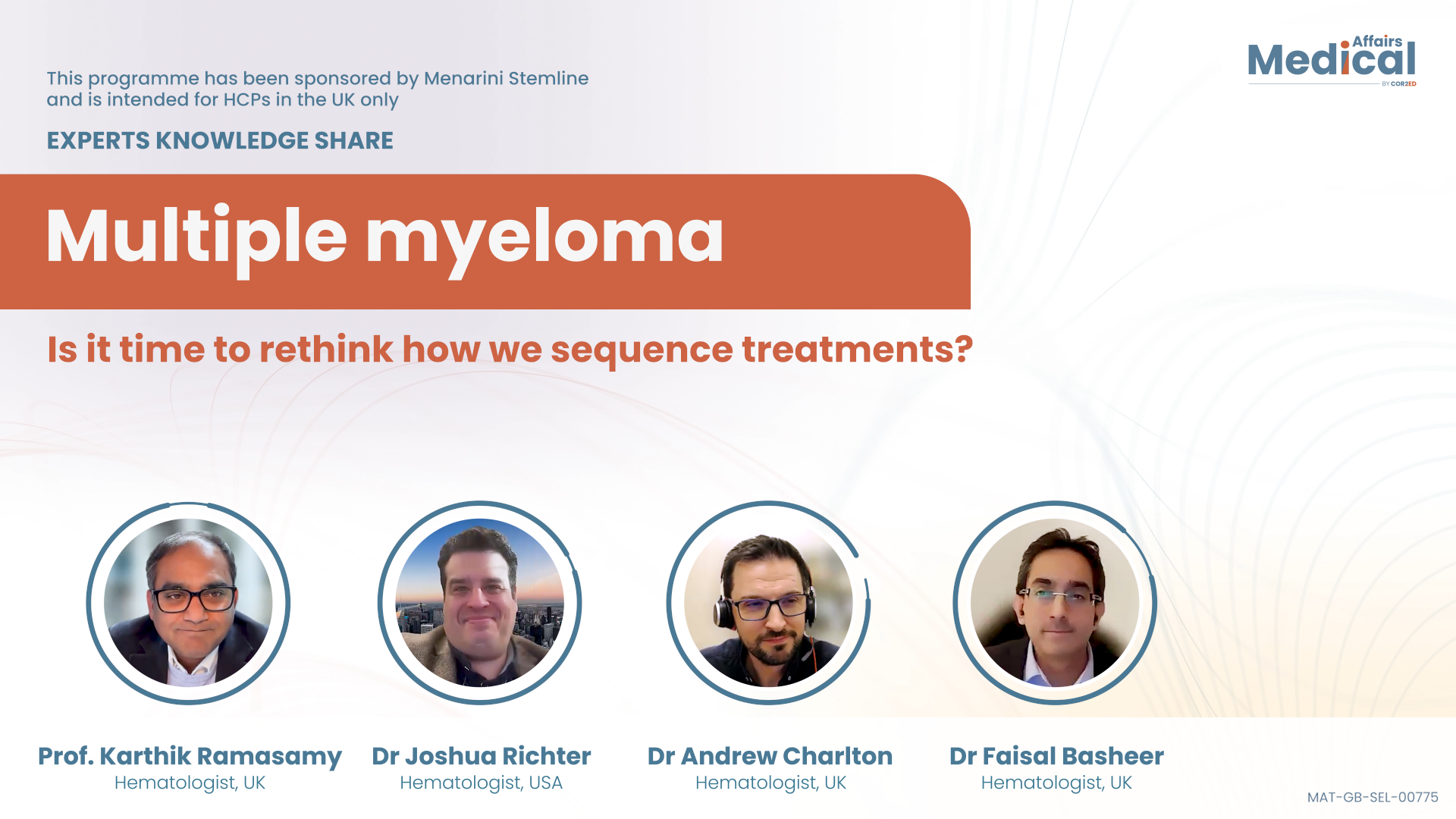
Multiple Myeloma: Is it time to rethink how we sequence treatments?

On-demand materials from an Experts Knowledge Share event

Experts
Prof. Karthik Ramasamy, Dr Joshua Richter, Dr Faisal Basheer, Dr Andrew Charlton
  • download Downloadable
    Resources
  • clock 80 MIN
  • calendar Mar 2026

This programme has been sponsored by Menarini Stemline and is intended for HCPs in the UK only    MAT-GB-SEL-00774
conference-update Conference update

Episode

2

of 2

episode
Oncology Rare diseases Endocrinology 
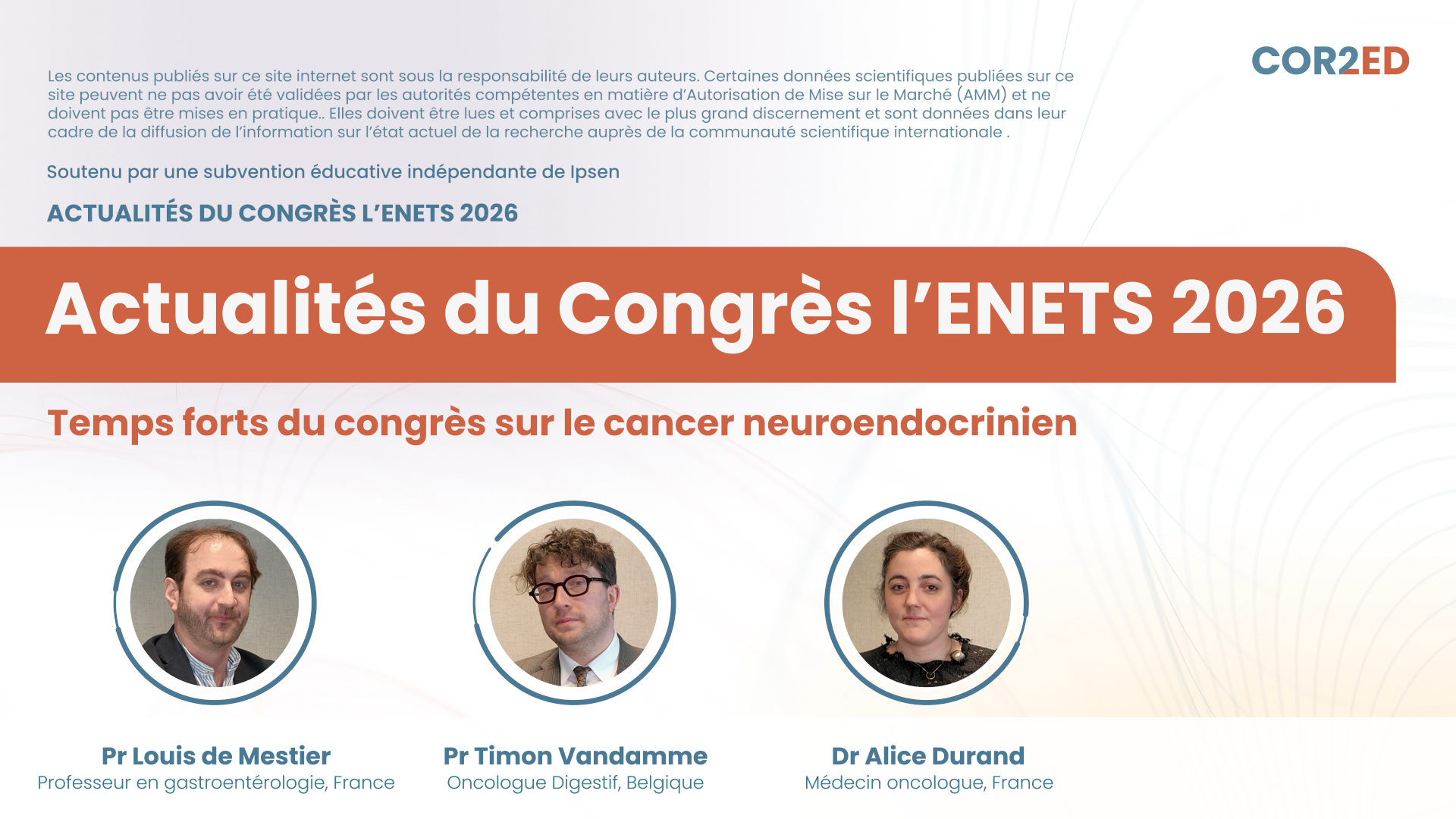
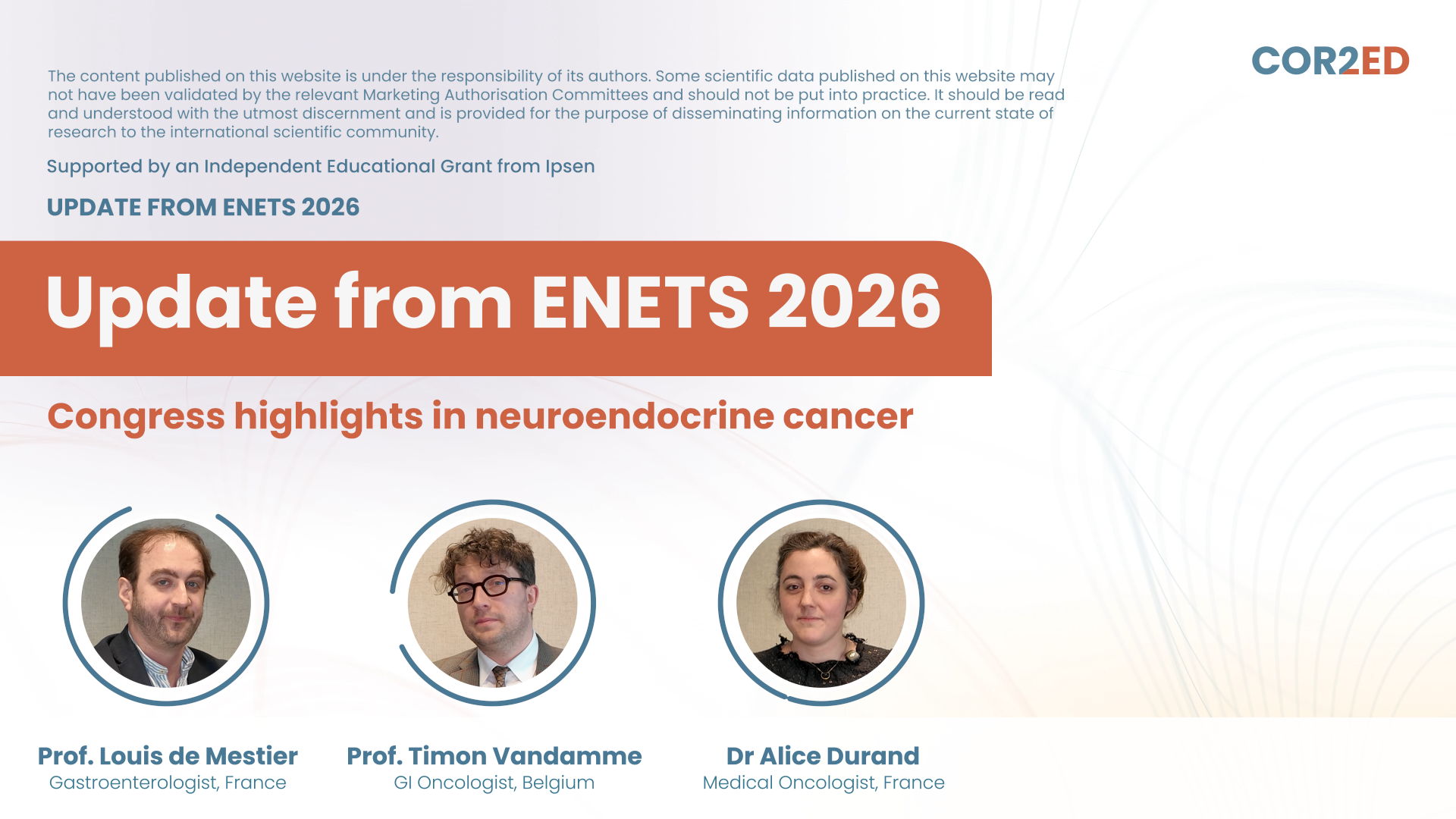
Actualités du Congrès l’ENETS 2026

Points de vue d’experts sur les dernières données concernant le cancer neuroendocrinien

Experts
Prof. Louis de Mestier, Prof. Timon Vandamme, Dr Alice Durand
  • clock 5 MIN
  • calendar Mar 2026
  • Non-accredited Independent Medical Education

Cette vidéo est soutenue par une subvention indépendante à visée éducative d’Ipsen.  Les contenus publiés sur ce site internet sont sous la responsabilité de leurs auteurs. Certaines données scientifiques publiées sur ce site sont susceptibles de ne pas être validées par la commission d’Autorisation de Mise sur le Marché, et ne doivent pas être mises en pratique. Elles doivent être lues et comprises avec le plus grand discernement et sont données dans leur cadre de la diffusion de l’information sur l’état actuel de la recherche auprès de la communauté scientifique internationale  
conference-update Conference update

Episode

1

of 2

episode
Oncology Rare diseases Endocrinology 
Update from ENETS 2026

Experts share their views on latest data in neuroendocrine cancer

Experts
Prof. Louis de Mestier, Prof. Timon Vandamme, Dr Alice Durand
  • clock 5 MIN
  • calendar Mar 2026
  • Non-accredited Independent Medical Education

This educational programme is supported by an Independent Educational Grant from Ipsen. The content published on this website is under the responsibility of its authors. Some scientific data published on this website may not have been validated by the relevant Marketing Authorisation Committees and should not be put into practice. It should be read and understood with the utmost discernment and is provided for the purpose of disseminating information on the current state of research to the international scientific community.
patient-support Patient Support
Oncology Hemato-oncology Pediatrics 
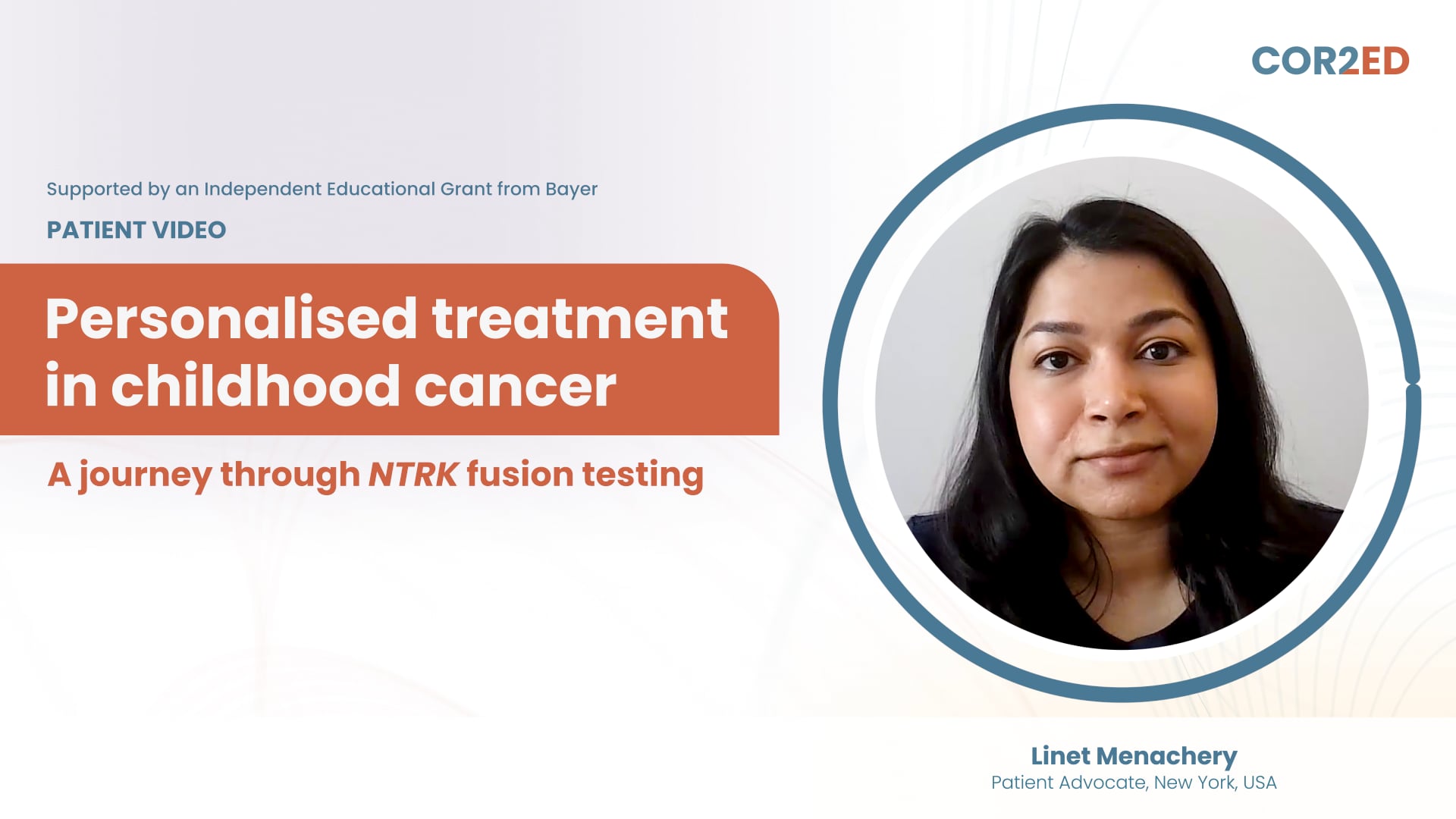
Personalised treatment in childhood cancer: A journey through NTRK fusion testing

Experts
Linet Menachery
Endorsed by
NTRKers ICAN international cancer advocacy network Biomarker Collaborative
  • clock 4 MIN
  • calendar Mar 2026
  • Non-accredited Independent Medical Education

Educational programme supported by an Independent Educational Grant from Bayer.
conference-update Conference update
Oncology 
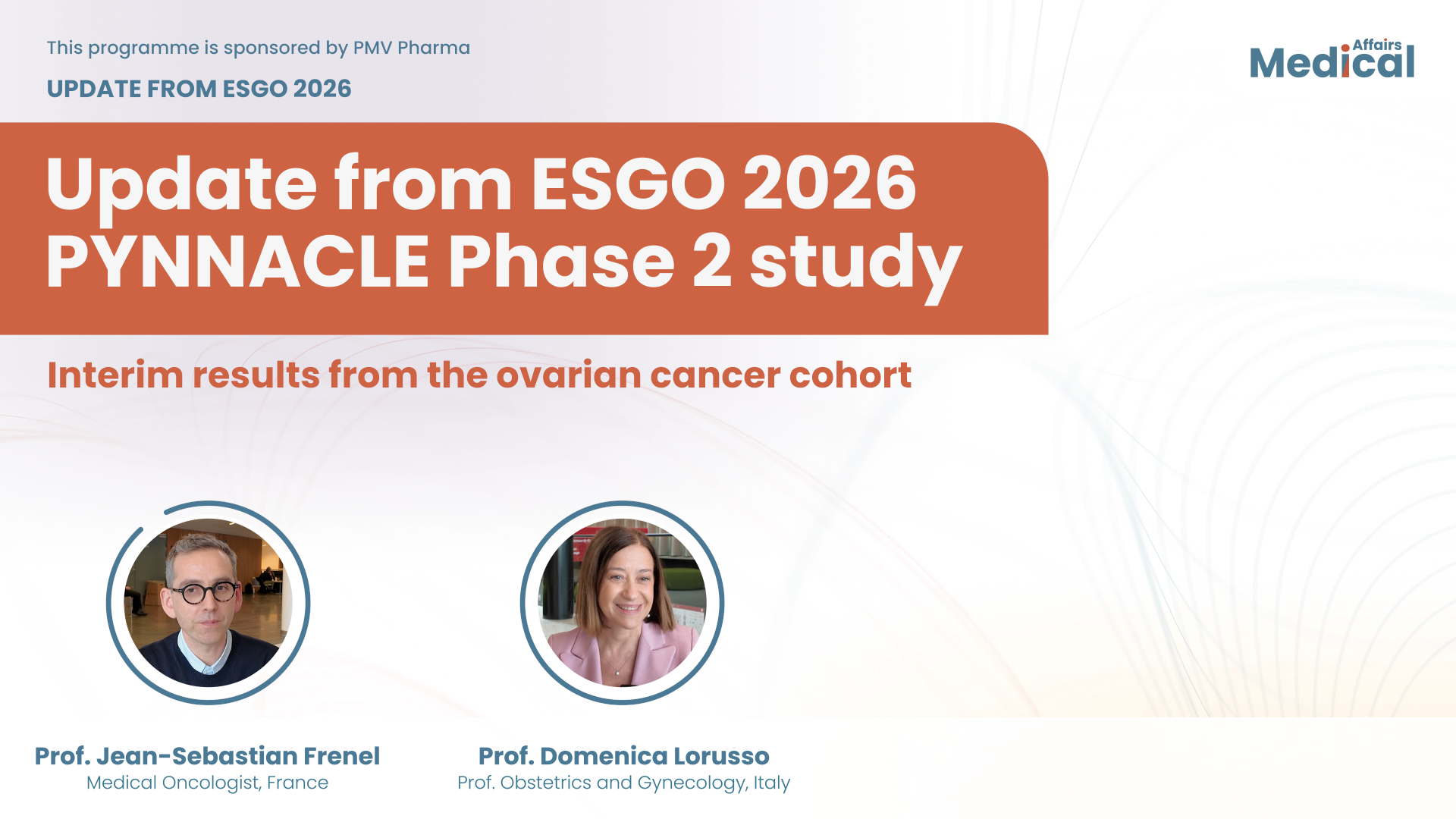
Update from ESGO 2026 – PYNNACLE Phase 2 study: Interim results from the ovarian cancer cohort

Clinical insights and expert discussion

Experts
Prof. Domenica Lorusso, Prof. Jean-Sebastien Frenel
  • download Downloadable
    Resources
  • clock 5 MIN
  • calendar Mar 2026

This programme has been sponsored by PMV Pharma and is intended for HCPs only.