Listen and follow our podcasts on:

This educational programme is supported by an Independent Educational Grant from Takeda.

Join experts Dr Markus Schmidt and Dr Anna Heidbreder as they discuss the importance of early recognition and referral in narcolepsy type 1 (NT1), particularly as new targeted treatments begin to emerge. 


Key discussion points include: 

  • Emerging therapies: How OX2R agonists may transform narcolepsy care, with phase 3 oveporexton data showing significant improvements in wakefulness and cataplexy with no serious adverse events (AEs) reported 
  • Diagnostic red flags: Recognising excessive daytime sleepiness, cataplexy, sleep paralysis, and hallucinations to help reduce the current 7–10 year delay in diagnosis 
  • Clinical pitfalls: Avoiding common misdiagnoses, such as attributing symptoms to lifestyle-related fatigue in younger patients or sleep apnea in older adults 
  • Specialist referral: The importance of timely referral for specialist assessment and objective sleep testing to support earlier access to emerging therapies 


By recognising symptoms and referring earlier, clinicians may improve long-term outcomes and quality of life for people living with NT1.


Clinical takeaways

  • New treatment options are emerging: OX2R agonists represent a shift toward targeting the underlying biology of NT1, with the potential to significantly improve patient outcomes 
  • Early recognition is critical: Narcolepsy is often under-recognised and misdiagnosed; therefore, clinicians should maintain a high index of suspicion, particularly in patients with excessive daytime sleepiness 
  • Act early and refer appropriately: Timely referral to specialists is essential to confirm diagnosis, optimise management, and ensure patients can benefit from current and emerging therapies 

Enhance awareness and early diagnosis in non-specialists  

  • Identify key clinical signs of narcolepsy that differentiate it from other conditions  
  • Highlight the need for early referral and appropriate diagnostic testing 
  • Recognise the burden of diagnostic delay and misdiagnosis on patient outcomes 


Understand the pathophysiology and impact of narcolepsy type 1  

  • Explain the role of orexin deficiency and its effect on excessive daytime sleepiness, cataplexy and co-morbidities


Evaluate current and emerging treatment strategies  

  • Compare the mechanisms, efficacy, and safety of approved narcolepsy treatments  
  • Assess the clinical impact of emerging therapies aiming to address the underlying orexin deficiency 

Think narcolepsy: Why early recognition and referral matter in an evolving treatment landscape


Brought to you by; 

Dr Markus Schmidt, Inselspital and the University of Bern, Switzerland 

Dr Anna Heidbreder, BG University Hospital Bergmannsheil Bochum, Germany 


Please note: 

SLEEP CONNECT podcasts and video podcasts are designed to be watched or heard. If you are able, we encourage you to watch the video podcast or listen to the audio, which include emotion and emphasis that is not so easily understood from the words on the page. Transcripts are edited for readability. Please check the corresponding audio before quoting in print.  


This video podcast is an initiative of COR2ED and developed by SLEEP CONNECT, a group of international experts working in the field of sleep medicine. The podcast is supported by an independent educational grant from Takeda.  


The views expressed are the personal opinions of the experts. They do not necessarily represent the views of the experts' institution, or the rest of the SLEEP CONNECT group.  


For expert disclosures on any conflict of interest please visit the COR2ED website, www.cor2ed.com. 

This educational programme is intended for healthcare professionals only. 


Dr Markus Schmidt 

Is your patient experiencing fatigue or could there be an underlying cause such as narcolepsy? Recognising the right symptoms is key to timely referral, especially with new treatments emerging. Missing the diagnosis could mean missing the opportunity to improve patient outcomes. 

Hello and welcome. My name is Dr Markus Schmidt. I am Head of Sleep Medicine at the Inselspital and Bern University Hospital in Switzerland. And I am here today with my colleague Anna. 

Dr Anna Heidbreder  

Hello, Markus. Nice to meet you. My name is Dr Anna Heidbreder. I am a Neurologist and Sleep Specialist at the University Hospital in Bochum in Germany. And I am very happy to discuss about narcolepsy type 1 today. 

Dr Markus Schmidt 

So, today we will be discussing the emergence of novel orexin 2 receptor targeted treatment strategies and why efficient recognition of narcolepsy type 1 and early referral to specialists are becoming increasingly important in this domain. 

So, maybe we can start with a few questions Anna? My first question maybe for you is how is narcolepsy type 1 currently managed in clinical practice? And what limitations do you see still with the existing treatments? 

Dr Anna Heidbreder  

Yes, this is a very important question because I think the disease itself differs a lot in patients. So, I think at the moment there are actually no patients who are treated exactly in the same way as another. 

Therapies often consist of various components that address different symptoms, making it highly individualised. And to be honest, in many cases there are still symptoms that affect daily living of these patients. So, in some patients, excessive daytime sleepiness is the most important and we address this. And in some it is more cataplexy. But many need treatment for both. And yes, it is very individualised and not perfect of course. 

Dr Markus Schmidt 

Given these limitations, how do you see the emerging therapies and how they aim to maybe change this approach? 

Dr Anna Heidbreder  

With these new treatment options, the orexin 2 receptor agonists, starts a new era in treatment of narcolepsy.  Especially in younger people, drowsiness or sleepiness is often attributed to behavioural factors. So the right questions may simply not be asked in these patients and the red flags are not recognised in these patients. And with the new era of new treatment, all these symptoms could be addressed with one medication maybe. 

But I think we have to step back one step and I ask you, Markus, maybe you can give an insight into these newer therapies and this important or potential impact in our clinical practice. 

Dr Markus Schmidt 

I like to say we are in the golden era of narcolepsy research because about 25 years ago we discovered what the cause of narcolepsy was and the loss of this orexin or hypocretin neuropeptide. And there are currently a number of clinical trials ongoing with these different molecules that are orexin receptor 2 agonists. 

And particularly there are two key phase 3 studies that just have come to completion, the FirstLight and RadiantLight studies. And these studies had a primary outcome or endpoint of objective wakefulness assessed by what we call the Maintenance of Wakefulness Test. This is the objective ability to stay awake. And there were other key secondary endpoints including the patients’ subjective sleepiness, which is rated using the Epworth Sleepiness Scale, and the weekly cataplexy rate. 

And both of these studies met their primary and key secondary endpoints. And specifically there was a significant, statistically significant improvement versus placebo in the objective wakefulness, so the ability to stay awake, the subjective sleepiness and cataplexy. 

There were improvements which were observed by the week 12 and were consistent across the core symptoms of narcolepsy. And there were additional improvements in other symptoms as well that we talk about in narcolepsy. Particularly, there are some hallucinations that can happen with sleep onset or waking up from sleep, what we call sleep paralysis and quality of life. They all showed improvements in these studies. 

And from a safety perspective they were generally well tolerated, no serious treatment-related adverse events that were reported. And the most common adverse events were insomnia and urinary frequency or urgency. But these were typically mild to moderate. Most started within the first day or two and they were transient. 

And finally, I would say there are a number of other such medications that are currently in the pipeline that are undergoing development. So, it is an exciting time for narcolepsy research I would say. 

Maybe a question for you, Anna, is based on these data, what do you see as the potential clinical impact of the orexin receptor 2 agonists in the management of narcolepsy type 1? 

Dr Anna Heidbreder  

Thank you for showing this nice data or telling something about this really nice data. And I completely agree it is a golden era for narcolepsy patients. 

So, as you clearly illustrated using this study data, we can hope that in the future we can have another, likely much more specific medication at our disposal which will significantly expand our treatment options. And it might be possible that this might allow us to manage patients with the monotherapy maybe, to address all the symptoms you just mentioned, which could have significant implications for the overall course of the disease. 

As usually, young people are affected very early in their life, they will need medication their whole life. And so early addressing all symptoms with one medication could be a possible future for them, maybe. 

Dr Markus Schmidt 

Yes, I agree. So, given these advances and the ongoing trials, early recognition is becoming obviously increasingly important. And what are the main challenges in recognising narcolepsy in clinical practice that you see? 

Dr Anna Heidbreder  

It’s still a problem to recognise narcolepsy type 1 early enough. So, there are data from Europe which still show that from the first symptoms of narcolepsy to diagnosis, it still takes seven to ten years and this is really a long time. 

If you are aware that usually young adults are affected by narcolepsy or even in young childhood, the narcolepsy starts. So, knowing the symptoms of narcolepsy is key. So, excessive daytime sleepiness is not due to media usage at night or less sleep during night. This could really be a symptom of narcolepsy. 

And as you mentioned, the additional symptoms have to be asked. So the red flag symptoms, as you said, hallucination or sleep paralysis or automatic behaviour. But physicians have to ask these questions. And one of the most important symptoms in narcolepsy type 1 we are talking about today is of course cataplexy, which is difficult to ask if you are not experienced as a sleep specialist, but the emotion-associated loss of muscle tone, being completely aware during this cataplexy, you should ask for that. 

And then you can pave the way for the patient to get an investigation in a sleep centre, for example. But you have to ask these questions and I think most of the physicians just do not ask these questions. And this is important, of course. 

Dr Markus Schmidt 

I was also going to mention, you know, you talked about the young people with sleepiness. I find that it gets even perhaps sometimes more challenging when we have patients coming in that are maybe in their 40s and 50s. And many people start to think of sleep apnea and the patient can down a road of at least a presumed diagnosis that may miss the opportunity to identify narcolepsy. So, I think depending on the age when they present, it can be sometimes a bit challenging to identify these patients. 

So, thinking about a patient with a delayed diagnosis, what are the key features that you think are often missed? 

Dr Anna Heidbreder  

I think to ask the correct questions about the symptoms like hallucination and sleep paralysis, and about the whole story going back, because in most of the patients the disease started much earlier, but they found a way to manage somehow. 

And in some patients, cataplexy, for example, must not be complete. In some patients, they have only partial cataplexy, for example, they just feel the muscle loss in the face or in the neck and they do not completely fall to the ground. 

So, it is really important to ask these key questions and to go back in the anamnesis and listen and ask the right questions to the patients. I think this is super important. And of course, getting access to sleep specialists is often really difficult. 

Dr Markus Schmidt 

Yes, I agree. And in your experience, what is the impact to the patient of a delayed diagnosis? 

Dr Anna Heidbreder  

Many patients, as I mentioned before, are very young when they start to have narcolepsy. And this is the time they get trained, they start a job, etc. And this is a very important time of their life. And so, the earlier they get the diagnosis, the earlier they get access to treatment and the earlier they are part of the community again and are successful in doing a job and can finish school, for example. 


Dr Markus Schmidt 

Just be able to succeed in life and be as optimally awake and alert is something we all sometimes wish we could do better at. 

Dr Anna Heidbreder  

Yes. If we want to optimise diagnosis and find the right way for referral pathways, what, in your opinion, are the key signs that should prompt the suspicion of narcolepsy to a referral? 

Dr Markus Schmidt 

Obviously, we both have mentioned a couple of them. I think the excessive sleepiness and cataplexy together is a key one. Somebody who is sleepy, having difficulty maintaining alertness, especially if this is in sedentary situations, reading, watching television, sometimes even in conversations with friends. 

And then that together with the cataplexy, this weakness in the knees triggered by emotion oftentimes can be partial with just a slacking of the jaw, slurring a bit of the speech that is triggered by some sort of emotion. Very, very key to be thinking about narcolepsy. 

Then we talk about the other associated symptoms, like as I mentioned, the hallucinations, this drifting off into sleep. It is the dream, if you will, that is coming too early, even while we are still a little bit of awake, or the dream persisting even when we wake up, so we have the hallucination before or after we wake up from sleep. 

The sleep paralysis, again, this paralysis is part of normal dream sleep. We are paralysed but we can also be hanging on longer than it should as we wake up from sleep and we feel paralysed. 

And then there is this paradoxical thing for narcoleptics as they are so sleepy in the day, yet they have such fragmented sleep at night. And this disrupted nocturnal sleep is also a key element. 

And so, I think it is important to recognise these clusters of symptoms and rather than just looking at one symptom or isolating on a certain symptom and, you know, referral to a sleep specialist is important so that they can really get started to do the appropriate diagnostic tools. 

And this includes an overnight sleep study. And obviously we want to rule out another potential cause of sleepiness, like sleep apnea. There is a daytime nap testing, the Multiple Sleep Latency Test, we call it, to look at the objective sleepiness. And we also look for REM sleep occurring in these naps. That is a nice hallmark of narcolepsy. 

And then finally, when available, getting cerebrospinal fluid, a lumbar puncture to actually examine the orexin levels to really make sure that the patient is orexin deficient. 

Dr Anna Heidbreder  

I think very important steps we have to mention in the diagnostic pathway of the patient. 

So, may I ask you to conclude a little bit, Markus, on what we were discussing? What are the take home messages from our discussion? 

Dr Markus Schmidt 

If I would have made the key points, I would say number one is treatment options are emerging. The orexin 2 receptor agonists represent a major shift toward targeting the underlying cause or biology of narcolepsy type 1 and has the potential to significantly improve patient outcomes. 

And number two is, early recognition, as we talked about it, is critical. Narcolepsy is often underdiagnosed or misdiagnosed, so clinicians should maintain a high index of suspicion, particularly in patients with excessive daytime sleepiness who have these other associated symptoms, particularly cataplexy, obviously. 

And finally, act early and refer appropriately. Timely referral to specialists is essential to confirm the diagnosis, to help optimise treatment and ensure that patients can benefit from current and new emerging therapies. 

Dr Anna Heidbreder  

Yes, I completely agree. 

So, thank you very much for the discussion, Markus.  

Dr Markus Schmidt 

Anna, it has been a pleasure with you today. 
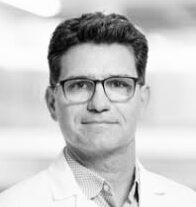
Dr Markus Schmidt works as Senior Physician, Deputy Head of the Sleep-Wake-Epilepsy Center, Department of Neurology, Schlaf-Wach-Epilepsie Zentrum, Inselspital, Bern University Hospital, Switzerland. He is the former Medical Director at the Ohio Sleep Medicine Institute in Columbus, Ohio (USA).

Dr Schmidt completed his PhD in sleep neurophysiology in Lyon, France under the supervision of Prof. Dr. Michel Jouvet – one of the “fathers” of sleep research. Dr Schmidt completed his residency in neurology at the Cleveland Clinic and his clinical training under the supervision of his father – Dr. Helmut Schmidt – a pioneer in the field of sleep medicine. Dr. Schmidt does research in Systems Biology, Evolutionary Biology and Neuroscience. His current work has focussed on the Energy Allocation Hypothesis of sleep, the role of the lateral hypothalamus in sleep and waking behaviors, and clinical sleep medicine. He proposed a new theory of sleep function (title: «the energy allocation hypothesis of sleep») and is active in a research program in Bern where he is a group leader. As the current Chairman of the World Sleep Society (previously WASM) Examination Committee, he is responsible for the development of an international exam in sleep medicine and its guidance on implementation. He is a member of ESRS Clinical Guidelines Working Group, since 2021 Scientific and Teaching Committee, EU NN, Member of Coordinating Panel Neuroscience/Translational Neurology, EAN.

He is an author and co-author of many scientific papers published in international and national peer-reviewed journals https://orcid.org/0000-0002-3299-1318.

Dr Markus Schmidt has received financial support/sponsorship for research support, consultation, or speaker fees from the following companies:

Takeda Advisory Board.

Anna Heidbreder is a neurologist and sleep physician currently as a senior consultant and deputy head of the sleep laboratory at the Department of Neurology at the Medical University of Innsbruck (Austria). After her studies, which she completed at the Ruhr University in Bochum (Germany), she did her specialist training as a neurologist at the Department of Neurology at the University of Münster (Germany). She has been involved in sleep medicine for 15 years. Her scientific focus is on diseases with excessive daytime sleepiness and central disorders of hypersomnolence. Her habilitation paper dealt with the subject of idiopathic hypersomnia. She is a member of national and international scientific societies and author and coauthor of numerous publications. Since 2020 she is a member of the board of the German Society for Sleep Research and Sleep Medicine. She started to cooperate with EU-NN in 2013.

Join experts Dr Markus Schmidt and Dr Anna Heidbreder as they discuss the importance of early recognition and referral in narcolepsy type 1 (NT1), particularly as new targeted treatments begin to emerge. 


Key discussion points include: 

  • Emerging therapies: How OX2R agonists may transform narcolepsy care, with phase 3 oveporexton data showing significant improvements in wakefulness and cataplexy with no serious adverse events (AEs) reported 
  • Diagnostic red flags: Recognising excessive daytime sleepiness, cataplexy, sleep paralysis, and hallucinations to help reduce the current 7–10 year delay in diagnosis
  • Clinical pitfalls: Avoiding common misdiagnoses, such as attributing symptoms to lifestyle-related fatigue in younger patients or sleep apnea in older adults
  • Specialist referral: The importance of timely referral for specialist assessment and objective sleep testing to support earlier access to emerging therapies 


By recognising symptoms and referring earlier, clinicians may improve long-term outcomes and quality of life for people living with NT1.


Clinical takeaways

  • New treatment options are emerging: OX2R agonists represent a shift toward targeting the underlying biology of NT1, with the potential to significantly improve patient outcomes 
  • Early recognition is critical: Narcolepsy is often under-recognised and misdiagnosed; therefore, clinicians should maintain a high index of suspicion, particularly in patients with excessive daytime sleepiness 
  • Act early and refer appropriately: Timely referral to specialists is essential to confirm diagnosis, optimise management, and ensure patients can benefit from current and emerging therapies 

Enhance awareness and early diagnosis in non-specialists  

  • Identify key clinical signs of narcolepsy that differentiate it from other conditions  
  • Highlight the need for early referral and appropriate diagnostic testing 
  • Recognise the burden of diagnostic delay and misdiagnosis on patient outcomes 


Understand the pathophysiology and impact of narcolepsy type 1  

  • Explain the role of orexin deficiency and its effect on excessive daytime sleepiness, cataplexy and co-morbidities


Evaluate current and emerging treatment strategies  

  • Compare the mechanisms, efficacy, and safety of approved narcolepsy treatments  
  • Assess the clinical impact of emerging therapies aiming to address the underlying orexin deficiency 

Dr Markus Schmidt works as Senior Physician, Deputy Head of the Sleep-Wake-Epilepsy Center, Department of Neurology, Schlaf-Wach-Epilepsie Zentrum, Inselspital, Bern University Hospital, Switzerland. He is the former Medical Director at the Ohio Sleep Medicine Institute in Columbus, Ohio (USA).

Dr Schmidt completed his PhD in sleep neurophysiology in Lyon, France under the supervision of Prof. Dr. Michel Jouvet – one of the “fathers” of sleep research. Dr Schmidt completed his residency in neurology at the Cleveland Clinic and his clinical training under the supervision of his father – Dr. Helmut Schmidt – a pioneer in the field of sleep medicine. Dr. Schmidt does research in Systems Biology, Evolutionary Biology and Neuroscience. His current work has focussed on the Energy Allocation Hypothesis of sleep, the role of the lateral hypothalamus in sleep and waking behaviors, and clinical sleep medicine. He proposed a new theory of sleep function (title: «the energy allocation hypothesis of sleep») and is active in a research program in Bern where he is a group leader. As the current Chairman of the World Sleep Society (previously WASM) Examination Committee, he is responsible for the development of an international exam in sleep medicine and its guidance on implementation. He is a member of ESRS Clinical Guidelines Working Group, since 2021 Scientific and Teaching Committee, EU NN, Member of Coordinating Panel Neuroscience/Translational Neurology, EAN.

He is an author and co-author of many scientific papers published in international and national peer-reviewed journals https://orcid.org/0000-0002-3299-1318.

Dr Markus Schmidt has received financial support/sponsorship for research support, consultation, or speaker fees from the following companies:

Takeda Advisory Board.

Anna Heidbreder is a neurologist and sleep physician currently as a senior consultant and deputy head of the sleep laboratory at the Department of Neurology at the Medical University of Innsbruck (Austria). After her studies, which she completed at the Ruhr University in Bochum (Germany), she did her specialist training as a neurologist at the Department of Neurology at the University of Münster (Germany). She has been involved in sleep medicine for 15 years. Her scientific focus is on diseases with excessive daytime sleepiness and central disorders of hypersomnolence. Her habilitation paper dealt with the subject of idiopathic hypersomnia. She is a member of national and international scientific societies and author and coauthor of numerous publications. Since 2020 she is a member of the board of the German Society for Sleep Research and Sleep Medicine. She started to cooperate with EU-NN in 2013.

Programme summary
Listen to the podcast now
Share this programme
This educational programme is supported by an Independent Educational Grant from Takeda.
Supporter Acknowledgement
This educational programme is supported by an Independent Educational Grant from Takeda.
I agree that this educational programme:

Was valuable to me

1/4
Brought to you by
SLEEP CONNECT

SLEEP CONNECT is an initiative of COR2ED, supported by an Independent Educational Grant from Takeda.

Meet the experts Independent IME approved
Programme summary
Watch the video now
Share this programme
This educational programme is supported by an Independent Educational Grant from Takeda.
Supporter Acknowledgement
This educational programme is supported by an Independent Educational Grant from Takeda.
I agree that this educational programme:

Was valuable to me

1/4
Brought to you by
SLEEP CONNECT

SLEEP CONNECT is an initiative of COR2ED, supported by an Independent Educational Grant from Takeda.

Meet the experts Independent IME approved

Other programmes of interest

Infographic / Flashcard
Oncology Rare diseases 
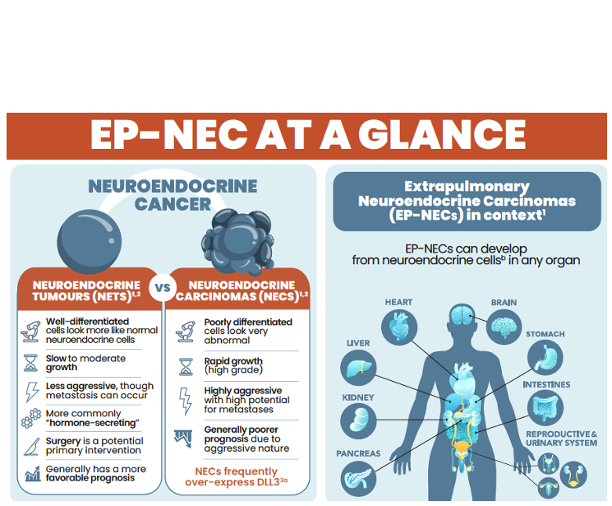
EP-NEC at a glance

Understanding EP-NEC, emerging treatments, and patient care strategies

Experts
Meredith Cummins
  • download Downloadable
    Resources
  • clock 1 MIN
  • calendar May 2026

This programme has been sponsored by Boehringer Ingelheim
expert-video-animation Animated Video
Rare diseases 
Evolving care in narcolepsy type 1

The emergence of orexin-targeted therapies

Experts
Prof. Yves Dauvilliers
Endorsed by
ANC Reference centre
  • download Downloadable
    Resources
  • clock 6 MIN
  • calendar Apr 2026
  • Non-accredited Independent Medical Education

Educational programme supported by an Independent Educational Grant from Takeda
conference-update Conference update

Episode

2

of 2

episode
Oncology Rare diseases Endocrinology 
Actualités du Congrès l’ENETS 2026

Points de vue d’experts sur les dernières données concernant le cancer neuroendocrinien

Experts
Prof. Louis de Mestier, Prof. Timon Vandamme, Dr Alice Durand
  • clock 5 MIN
  • calendar Mar 2026
  • Non-accredited Independent Medical Education

Cette vidéo est soutenue par une subvention indépendante à visée éducative d’Ipsen.  Les contenus publiés sur ce site internet sont sous la responsabilité de leurs auteurs. Certaines données scientifiques publiées sur ce site sont susceptibles de ne pas être validées par la commission d’Autorisation de Mise sur le Marché, et ne doivent pas être mises en pratique. Elles doivent être lues et comprises avec le plus grand discernement et sont données dans leur cadre de la diffusion de l’information sur l’état actuel de la recherche auprès de la communauté scientifique internationale  
conference-update Conference update

Episode

1

of 2

episode
Oncology Rare diseases Endocrinology 
Update from ENETS 2026

Experts share their views on latest data in neuroendocrine cancer

Experts
Prof. Louis de Mestier, Prof. Timon Vandamme, Dr Alice Durand
  • clock 5 MIN
  • calendar Mar 2026
  • Non-accredited Independent Medical Education

This educational programme is supported by an Independent Educational Grant from Ipsen. The content published on this website is under the responsibility of its authors. Some scientific data published on this website may not have been validated by the relevant Marketing Authorisation Committees and should not be put into practice. It should be read and understood with the utmost discernment and is provided for the purpose of disseminating information on the current state of research to the international scientific community.
patient-support Patient Support
Rare diseases 
Understanding narcolepsy

Persistent sleepiness: when to look closer

Experts
Prof. Yves Dauvilliers
Endorsed by
EU-NN ANC
eNAP
  • clock 2 MIN
  • calendar Jan 2026
  • Non-accredited Independent Medical Education

Educational programme supported by an Independent Educational Grant from Takeda
patient-support Patient Support

Episode

2

of 2

episode
Oncology Endocrinology Rare diseases 
Thriving beyond an EP-NEC diagnosis

Perspectives on treatment and care 

Experts
Jessica Thomas
Endorsed by
NET-Research-Foundation Minkhas mission
  • clock 4 MIN
  • calendar Dec 2025
  • Non-accredited Independent Medical Education

Educational programme supported by an Independent Educational Grant from Boehringer Ingelheim