Listen and follow our podcasts on:

This educational programme is supported by an Independent Educational Grant from Viatris.

In this second podcast episode of a 4-part series, haematologists continue to explore different clinical scenarios and challenges in managing thrombosis.

In this conversation, they discuss how to treat thrombosis in patients with cancer, covering:


  • When and how to use heparins and/or direct oral anticoagulants (DOACs)

  • The benefits of primary thromboprophylaxis and its efficacy in various tumour types

  • How the patient's involvement could result in an improved quality of life


E-learning

After listening to the podcast series, take the e-learning assessment to test your knowledge and earn CME credits.


Clinical takeaways


  • Heparins and/or DOACs are safe and efficient in treating thrombosis in cancer patients

  • Primary thromboprophylaxis is efficient in selected cancer patients but still remains a matter of debate for the majority of tumours

  • To improve quality of life, it is important to involve the patient in the treatment decision-making process

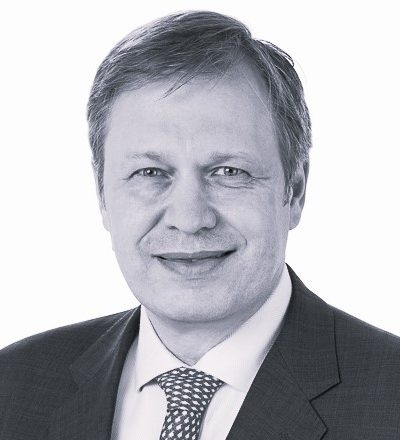
Prof. Dimitrios A. Tsakiris, MD was born in Thessaloniki, Greece and obtained his Diploma of Medicine (1982) at the Medical School, Aristotle University of Thessaloniki, Greece. He started his training in Clinical Haematology at the AHEPA University Hospital in Thessaloniki and completed it at the University Hospital Basel in Basel, Switzerland, where he has been working since 1987. He holds a license for Clinical Haematology and Laboratory Haematology. He spent one year (1996) as a Research Associate in Platelet Research at the Mount Sinai School of Medicine, New York, NY, USA. He has held a professorship in Haematology at the Faculty of Medicine, University of Basel, Switzerland since 2004 and serves also as a visiting Professor of Hematology at the Medical School of the Aristotle University of Thessaloniki. He has served as Head of Haemostasis since 2009 and Head of Diagnostic Haematology and Haemostasis (2014-2021), as well as member of the Stem Cell Transplant and Cell-Therapy Center Basel at the University Hospital Basel, Switzerland. Since 2021 he has been Director of Thrombosis and Haemostasis and Co-Head Hematology at SYNLAB Suisse SA, Switzerland. His main fields of scientific interests are platelet activation, platelet disorders, diagnosis and treatment of bleeding disorders and thrombophilia, disorders of haemostasis and endothelial cells after stem cell transplants. He has presented over 140 peer-reviewed original articles and reviews.

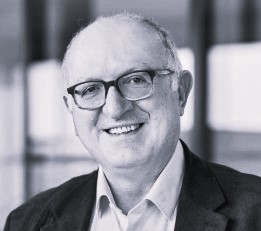
Dr Lars Asmis is Director at the Centre for Perioperative Thrombosis and Haemostasis in Zurich, Switzerland.  He completed his medical training at the University of Bern and has subsequently held positions at Inselspital Bern, University of Geneva and USZ Zurich.  In 2002 he worked as a visiting scientist at Johns Hopkins University in Baltimore, USA.  Dr Asmis has held a number of leadership positions including Co-president of the Swiss Working Party for Hemostasis from 2020 to 2021.  He has authored more than 50 peer-reviewed publications.

Dr Lars Asmis has received financial support/sponsorship for research support, consultation, or speaker fees from the following companies:

Viatris

Listen and follow our podcasts on:

This educational programme is supported by an Independent Educational Grant from Viatris.

In this second podcast episode of a 4-part series, haematologists continue to explore different clinical scenarios and challenges in managing thrombosis.

In this conversation, they discuss how to treat thrombosis in patients with cancer, covering:


  • When and how to use heparins and/or direct oral anticoagulants (DOACs)

  • The benefits of primary thromboprophylaxis and its efficacy in various tumour types

  • How the patient's involvement could result in an improved quality of life


E-learning

After listening to the podcast series, take the e-learning assessment to test your knowledge and earn CME credits.


Clinical takeaways


  • Heparins and/or DOACs are safe and efficient in treating thrombosis in cancer patients

  • Primary thromboprophylaxis is efficient in selected cancer patients but still remains a matter of debate for the majority of tumours

  • To improve quality of life, it is important to involve the patient in the treatment decision-making process

Prof. Dimitrios A. Tsakiris, MD was born in Thessaloniki, Greece and obtained his Diploma of Medicine (1982) at the Medical School, Aristotle University of Thessaloniki, Greece. He started his training in Clinical Haematology at the AHEPA University Hospital in Thessaloniki and completed it at the University Hospital Basel in Basel, Switzerland, where he has been working since 1987. He holds a license for Clinical Haematology and Laboratory Haematology. He spent one year (1996) as a Research Associate in Platelet Research at the Mount Sinai School of Medicine, New York, NY, USA. He has held a professorship in Haematology at the Faculty of Medicine, University of Basel, Switzerland since 2004 and serves also as a visiting Professor of Hematology at the Medical School of the Aristotle University of Thessaloniki. He has served as Head of Haemostasis since 2009 and Head of Diagnostic Haematology and Haemostasis (2014-2021), as well as member of the Stem Cell Transplant and Cell-Therapy Center Basel at the University Hospital Basel, Switzerland. Since 2021 he has been Director of Thrombosis and Haemostasis and Co-Head Hematology at SYNLAB Suisse SA, Switzerland. His main fields of scientific interests are platelet activation, platelet disorders, diagnosis and treatment of bleeding disorders and thrombophilia, disorders of haemostasis and endothelial cells after stem cell transplants. He has presented over 140 peer-reviewed original articles and reviews.

Dr Lars Asmis is Director at the Centre for Perioperative Thrombosis and Haemostasis in Zurich, Switzerland.  He completed his medical training at the University of Bern and has subsequently held positions at Inselspital Bern, University of Geneva and USZ Zurich.  In 2002 he worked as a visiting scientist at Johns Hopkins University in Baltimore, USA.  Dr Asmis has held a number of leadership positions including Co-president of the Swiss Working Party for Hemostasis from 2020 to 2021.  He has authored more than 50 peer-reviewed publications.

Dr Lars Asmis has received financial support/sponsorship for research support, consultation, or speaker fees from the following companies:

Viatris

Listen and follow our podcasts on:

This educational programme is supported by an Independent Educational Grant from Viatris.

In this second podcast episode of a 4-part series, haematologists continue to explore different clinical scenarios and challenges in managing thrombosis.

In this conversation, they discuss how to treat thrombosis in patients with cancer, covering:


  • When and how to use heparins and/or direct oral anticoagulants (DOACs)

  • The benefits of primary thromboprophylaxis and its efficacy in various tumour types

  • How the patient's involvement could result in an improved quality of life


E-learning

After listening to the podcast series, take the e-learning assessment to test your knowledge and earn CME credits.


Clinical takeaways


  • Heparins and/or DOACs are safe and efficient in treating thrombosis in cancer patients

  • Primary thromboprophylaxis is efficient in selected cancer patients but still remains a matter of debate for the majority of tumours

  • To improve quality of life, it is important to involve the patient in the treatment decision-making process

Prof. Dimitrios A. Tsakiris, MD was born in Thessaloniki, Greece and obtained his Diploma of Medicine (1982) at the Medical School, Aristotle University of Thessaloniki, Greece. He started his training in Clinical Haematology at the AHEPA University Hospital in Thessaloniki and completed it at the University Hospital Basel in Basel, Switzerland, where he has been working since 1987. He holds a license for Clinical Haematology and Laboratory Haematology. He spent one year (1996) as a Research Associate in Platelet Research at the Mount Sinai School of Medicine, New York, NY, USA. He has held a professorship in Haematology at the Faculty of Medicine, University of Basel, Switzerland since 2004 and serves also as a visiting Professor of Hematology at the Medical School of the Aristotle University of Thessaloniki. He has served as Head of Haemostasis since 2009 and Head of Diagnostic Haematology and Haemostasis (2014-2021), as well as member of the Stem Cell Transplant and Cell-Therapy Center Basel at the University Hospital Basel, Switzerland. Since 2021 he has been Director of Thrombosis and Haemostasis and Co-Head Hematology at SYNLAB Suisse SA, Switzerland. His main fields of scientific interests are platelet activation, platelet disorders, diagnosis and treatment of bleeding disorders and thrombophilia, disorders of haemostasis and endothelial cells after stem cell transplants. He has presented over 140 peer-reviewed original articles and reviews.

Dr Lars Asmis is Director at the Centre for Perioperative Thrombosis and Haemostasis in Zurich, Switzerland.  He completed his medical training at the University of Bern and has subsequently held positions at Inselspital Bern, University of Geneva and USZ Zurich.  In 2002 he worked as a visiting scientist at Johns Hopkins University in Baltimore, USA.  Dr Asmis has held a number of leadership positions including Co-president of the Swiss Working Party for Hemostasis from 2020 to 2021.  He has authored more than 50 peer-reviewed publications.

Dr Lars Asmis has received financial support/sponsorship for research support, consultation, or speaker fees from the following companies:

Viatris

Listen and follow our podcasts on:

This educational programme is supported by an Independent Educational Grant from Viatris.

In this second podcast episode of a 4-part series, haematologists continue to explore different clinical scenarios and challenges in managing thrombosis.

In this conversation, they discuss how to treat thrombosis in patients with cancer, covering:


  • When and how to use heparins and/or direct oral anticoagulants (DOACs)

  • The benefits of primary thromboprophylaxis and its efficacy in various tumour types

  • How the patient's involvement could result in an improved quality of life


E-learning

After listening to the podcast series, take the e-learning assessment to test your knowledge and earn CME credits.


Clinical takeaways


  • Heparins and/or DOACs are safe and efficient in treating thrombosis in cancer patients

  • Primary thromboprophylaxis is efficient in selected cancer patients but still remains a matter of debate for the majority of tumours

  • To improve quality of life, it is important to involve the patient in the treatment decision-making process

Prof. Dimitrios A. Tsakiris, MD was born in Thessaloniki, Greece and obtained his Diploma of Medicine (1982) at the Medical School, Aristotle University of Thessaloniki, Greece. He started his training in Clinical Haematology at the AHEPA University Hospital in Thessaloniki and completed it at the University Hospital Basel in Basel, Switzerland, where he has been working since 1987. He holds a license for Clinical Haematology and Laboratory Haematology. He spent one year (1996) as a Research Associate in Platelet Research at the Mount Sinai School of Medicine, New York, NY, USA. He has held a professorship in Haematology at the Faculty of Medicine, University of Basel, Switzerland since 2004 and serves also as a visiting Professor of Hematology at the Medical School of the Aristotle University of Thessaloniki. He has served as Head of Haemostasis since 2009 and Head of Diagnostic Haematology and Haemostasis (2014-2021), as well as member of the Stem Cell Transplant and Cell-Therapy Center Basel at the University Hospital Basel, Switzerland. Since 2021 he has been Director of Thrombosis and Haemostasis and Co-Head Hematology at SYNLAB Suisse SA, Switzerland. His main fields of scientific interests are platelet activation, platelet disorders, diagnosis and treatment of bleeding disorders and thrombophilia, disorders of haemostasis and endothelial cells after stem cell transplants. He has presented over 140 peer-reviewed original articles and reviews.

Dr Lars Asmis is Director at the Centre for Perioperative Thrombosis and Haemostasis in Zurich, Switzerland.  He completed his medical training at the University of Bern and has subsequently held positions at Inselspital Bern, University of Geneva and USZ Zurich.  In 2002 he worked as a visiting scientist at Johns Hopkins University in Baltimore, USA.  Dr Asmis has held a number of leadership positions including Co-president of the Swiss Working Party for Hemostasis from 2020 to 2021.  He has authored more than 50 peer-reviewed publications.

Dr Lars Asmis has received financial support/sponsorship for research support, consultation, or speaker fees from the following companies:

Viatris

Programme summary
Listen to the podcast now
Other episodes of this series
Monitoring Anticoagulation: Yes or No?

Monitoring Anticoagulation: Yes or No?

A clinical discussion on anticoagulation monitoring

Cancer and Thrombosis

Cancer and Thrombosis

A podcast discussion on treating thrombosis in patients with cancer

Current Episode
VTE: What is the optimal duration of antithrombotic treatment?

VTE: What is the optimal duration of antithrombotic treatment?

Part 3 of a 4-part series on thrombosis

Perioperative thromboprophylaxis revisited

Perioperative thromboprophylaxis revisited

Minimising the risk of thrombosis in surgical patients

Share this programme
This educational programme is supported by an Independent Educational Grant from Viatris.
Supporter Acknowledgement
This educational programme is supported by an Independent Educational Grant from Viatris.
I agree that this educational programme:

Was valuable to me

1/4
Brought to you by
HEMOSTASIS CONNECT

HEMOSTASIS CONNECT is an initiative of COR2ED, supported by Independent Educational Grants from Pfizer, Takeda, Viatris and Pentapharm.

Meet the experts Independent IME approved
Programme summary
  • clock Duration MIN
  • clock Language(s) flag
Listen to the podcast now
Other episodes of this series
Monitoring Anticoagulation: Yes or No?

Monitoring Anticoagulation: Yes or No?

A clinical discussion on anticoagulation monitoring

Cancer and Thrombosis

Cancer and Thrombosis

A podcast discussion on treating thrombosis in patients with cancer

Current Episode
VTE: What is the optimal duration of antithrombotic treatment?

VTE: What is the optimal duration of antithrombotic treatment?

Part 3 of a 4-part series on thrombosis

Perioperative thromboprophylaxis revisited

Perioperative thromboprophylaxis revisited

Minimising the risk of thrombosis in surgical patients

Share this programme
This educational programme is supported by an Independent Educational Grant from Viatris.
Supporter Acknowledgement
This educational programme is supported by an Independent Educational Grant from Viatris.
I agree that this educational programme:

Was valuable to me

1/4
Brought to you by
HEMOSTASIS CONNECT

HEMOSTASIS CONNECT is an initiative of COR2ED, supported by Independent Educational Grants from Pfizer, Takeda, Viatris and Pentapharm.

Meet the experts Independent IME approved
Programme summary
  • clock Duration MIN
  • clock Language(s) flag
Listen to the podcast now
Other episodes of this series
Monitoring Anticoagulation: Yes or No?

Monitoring Anticoagulation: Yes or No?

A clinical discussion on anticoagulation monitoring

Cancer and Thrombosis

Cancer and Thrombosis

A podcast discussion on treating thrombosis in patients with cancer

Current Episode
VTE: What is the optimal duration of antithrombotic treatment?

VTE: What is the optimal duration of antithrombotic treatment?

Part 3 of a 4-part series on thrombosis

Perioperative thromboprophylaxis revisited

Perioperative thromboprophylaxis revisited

Minimising the risk of thrombosis in surgical patients

Share this programme
This educational programme is supported by an Independent Educational Grant from Viatris.
Supporter Acknowledgement
This educational programme is supported by an Independent Educational Grant from Viatris.
I agree that this educational programme:

Was valuable to me

1/4
Brought to you by
HEMOSTASIS CONNECT

HEMOSTASIS CONNECT is an initiative of COR2ED, supported by Independent Educational Grants from Pfizer, Takeda, Viatris and Pentapharm.

Meet the experts Independent IME approved
Programme summary
  • clock Duration MIN
  • clock Language(s) flag
Listen to the podcast now
Other episodes of this series
Monitoring Anticoagulation: Yes or No?

Monitoring Anticoagulation: Yes or No?

A clinical discussion on anticoagulation monitoring

Cancer and Thrombosis

Cancer and Thrombosis

A podcast discussion on treating thrombosis in patients with cancer

Current Episode
VTE: What is the optimal duration of antithrombotic treatment?

VTE: What is the optimal duration of antithrombotic treatment?

Part 3 of a 4-part series on thrombosis

Perioperative thromboprophylaxis revisited

Perioperative thromboprophylaxis revisited

Minimising the risk of thrombosis in surgical patients

Share this programme
This educational programme is supported by an Independent Educational Grant from Viatris.
Supporter Acknowledgement
This educational programme is supported by an Independent Educational Grant from Viatris.
I agree that this educational programme:

Was valuable to me

1/4
Brought to you by
HEMOSTASIS CONNECT

HEMOSTASIS CONNECT is an initiative of COR2ED, supported by Independent Educational Grants from Pfizer, Takeda, Viatris and Pentapharm.

Meet the experts Independent IME approved

Other programmes of interest

eks
EKS / On-demand webinar
Oncology 
Multiple Myeloma: Is it time to rethink how we sequence treatments?

On-demand materials from an Experts Knowledge Share event

Experts
Prof. Karthik Ramasamy, Dr Joshua Richter, Dr Faisal Basheer, Dr Andrew Charlton
  • download Downloadable
    Resources
  • clock 80 MIN
  • calendar Mar 2026

This programme has been sponsored by Menarini Stemline and is intended for HCPs in the UK only    MAT-GB-SEL-00774
conference-update Conference update

Episode

2

of 2

episode
Oncology Rare diseases Endocrinology 
Actualités du Congrès l’ENETS 2026

Points de vue d’experts sur les dernières données concernant le cancer neuroendocrinien

Experts
Prof. Louis de Mestier, Prof. Timon Vandamme, Dr Alice Durand
  • clock 5 MIN
  • calendar Mar 2026
  • Non-accredited Independent Medical Education

Cette vidéo est soutenue par une subvention indépendante à visée éducative d’Ipsen.  Les contenus publiés sur ce site internet sont sous la responsabilité de leurs auteurs. Certaines données scientifiques publiées sur ce site sont susceptibles de ne pas être validées par la commission d’Autorisation de Mise sur le Marché, et ne doivent pas être mises en pratique. Elles doivent être lues et comprises avec le plus grand discernement et sont données dans leur cadre de la diffusion de l’information sur l’état actuel de la recherche auprès de la communauté scientifique internationale  
conference-update Conference update

Episode

1

of 2

episode
Oncology Rare diseases Endocrinology 
Update from ENETS 2026

Experts share their views on latest data in neuroendocrine cancer

Experts
Prof. Louis de Mestier, Prof. Timon Vandamme, Dr Alice Durand
  • clock 5 MIN
  • calendar Mar 2026
  • Non-accredited Independent Medical Education

This educational programme is supported by an Independent Educational Grant from Ipsen. The content published on this website is under the responsibility of its authors. Some scientific data published on this website may not have been validated by the relevant Marketing Authorisation Committees and should not be put into practice. It should be read and understood with the utmost discernment and is provided for the purpose of disseminating information on the current state of research to the international scientific community.
conference-update Conference update
Oncology 
Update from ESGO 2026 – PYNNACLE Phase 2 study: Interim results from the ovarian cancer cohort

Clinical insights and expert discussion

Experts
Prof. Domenica Lorusso, Prof. Jean-Sebastien Frenel
  • download Downloadable
    Resources
  • clock 5 MIN
  • calendar Mar 2026

This programme has been sponsored by PMV Pharma and is intended for HCPs only.
publication Scientific Publication
Oncology 
ADCs in HER2+ metastatic breast cancer and management of adverse events

Consensus-based guidance for clinicians and patients

Experts
Prof. Javier Cortés, Prof. Giuseppe Curigliano, Prof. Shaheenah Dawood, Dr Grażyna Suchodolska, Dr Sara Tolaney, Carla Whitbread
Endorsed by
EONS - European Oncology Nursing Society Europa Donna
  • download Downloadable
    Resources
  • clock 20 MIN
  • calendar Feb 2026
  • Non-accredited Independent Medical Education

Educational programme supported by an Independent Educational Grant from AstraZeneca