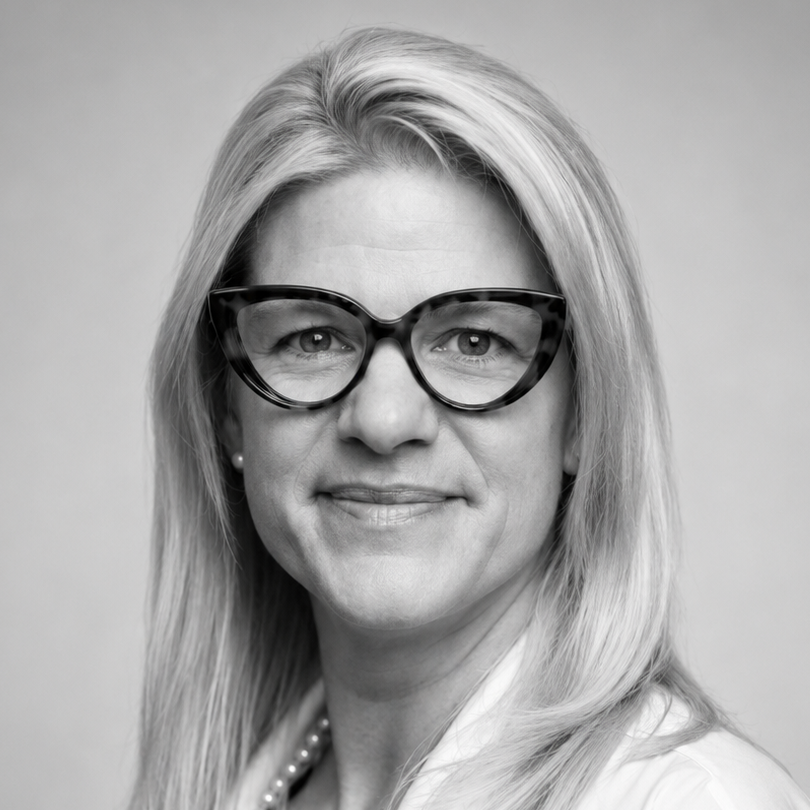

In this conference update video, Prof. Nadia Harbeck, Dr Tiffany Traina, and Prof. Frederik Marmé share key insights from the ESMO Breast Cancer 2026 Satellite Symposium, sponsored by Menarini Stemline. 


The faculty discusses 2nd line+ treatment strategies and sequencing following endocrine therapy (ET) + CDK4/6i in endocrine therapy–eligible patients with ER+/HER2- metastatic breast cancer (mBC).  


Topics include:  

  • Overview of the current ESMO guidelines  
  • Intrinsic and acquired endocrine resistance after 1st line ET + CDK4/6i  
  • Role of biomarker-selected endocrine-based therapies and key clinical trial data  
  • Clinical relevance of ESR1 mutations and testing strategies 


Clinical takeaways

  • 2nd line treatment choices are defined by eligibility to receive ET and are driven by biomarker status. For patients whose tumors retained endocrine-sensitivity, guidelines recommend exhausting sequential ET-based regimens 
  • Real-world evidence for elacestrant shows a consistent benefit, with ~8–11 months TTNT, aligning with the 8.6-month mPFS observed in patients with longer prior ET + CDK4/6i exposure in the EMERALD subgroup analysis
  • In tumors retaining endocrine sensitivity and coexisting PIK3CA and ESR1 mutations, elacestrant monotherapy can be a good option before PI3K/AKTi combination regimens, as data show similar efficacy with a manageable safety profile 
  • ESR1-mut testing should be repeated at each progression on ET if previously negative, as detection rates increase over time. Blood-based ctDNA is the preferred method, while archival primary tumor tissue should be avoided, as ESR1-mut typically develop during metastatic treatment

Director of the Breast Center and Head of the Oncological Therapy and Clinical Trials Unit and the Center for Hereditary Breast and Ovarian Cancer at the Department of Obstetrics and Gynecology, LMU University Hospital, Munich. She also holds the Chair of Conservative Oncology and is a Steering Committee Member of CCC Munich LMU.​

Prof. Nadia Harbeck has received financial support/sponsorship for research support, consultation, or speaker fees from the following companies:

AstraZeneca, Daiichi-Sankyo, Gilead, Lilly, MSD, Novartis, Pierre-Fabre, Pfizer, Roche, Sandoz, Stemline-Menarini, Viatris.

Other: Co-Director West German Study Group.

Vice Chair of the Department of Medicine and medical oncologist in the Breast Medicine Service since 2006. Leads the TNBC Clinical Research Program and serves on the TBCRC TNBC working group. Member of the New York Metropolitan Breast Cancer Group and the editorial board of the European Journal of Clinical & Medical Oncology.

Dr Tiffany Traina has received financial support/sponsorship for research support, consultation, or speaker fees from the following companies:

Genentech/Roche, Pfizer, AstraZeneca, Merck, Daiichi Sankyo, Gilead Sciences, Tersera, Menarini Stemline, Exact Sciences, BioNTech SE, Veracyte, Aktis Oncology, Ellipses Pharma, and Astellas Pharma.

Gynecologic oncologist at the University Hospital Mannheim and the Medical Faculty Mannheim of Heidelberg University, Germany. Head of the Section Conservative Gynecologic Oncology and the Gynecologic Clinical Trials Unit at the University Hospital Mannheim. Co-chair of the AGO Study Group and member of the Scientific Board of the GBC.

Prof. Frederik Marmé has received financial support/sponsorship for research support, consultation, or speaker fees from the following companies:

AstraZeneca, Daiichi Sankyo, EISAI, GenomicHealth, Gilead Sciences, GSK, Immunicom, INCYTE, MSD, Novartis, Pfizer, Lilly, Roche, Böhringer-Ingelheim, Myriad Genetics, Seagen/Pfizer, Novocure, Menarini Stemline, BIONTECH, Nerviano Medical Sciences, and Novartis.​

No financial interest: AGO Research GmbH, German Breast Group, Vaccibody

In this conference update video, Prof. Nadia Harbeck, Dr Tiffany Traina, and Prof. Frederik Marmé share key insights from the ESMO Breast Cancer 2026 Satellite Symposium, sponsored by Menarini Stemline. 


The faculty discusses 2nd line+ treatment strategies and sequencing following endocrine therapy (ET) + CDK4/6i in endocrine therapy–eligible patients with ER+/HER2- metastatic breast cancer (mBC).  


Topics include:  

  • Overview of the current ESMO guidelines  
  • Intrinsic and acquired endocrine resistance after 1st line ET + CDK4/6i  
  • Role of biomarker-selected endocrine-based therapies and key clinical trial data  
  • Clinical relevance of ESR1 mutations and testing strategies 


Clinical takeaways

  • 2nd line treatment choices are defined by eligibility to receive ET and are driven by biomarker status. For patients whose tumors retained endocrine-sensitivity, guidelines recommend exhausting sequential ET-based regimens 
  • Real-world evidence for elacestrant shows a consistent benefit, with ~8–11 months TTNT, aligning with the 8.6-month mPFS observed in patients with longer prior ET + CDK4/6i exposure in the EMERALD subgroup analysis
  • In tumors retaining endocrine sensitivity and coexisting PIK3CA and ESR1 mutations, elacestrant monotherapy can be a good option before PI3K/AKTi combination regimens, as data show similar efficacy with a manageable safety profile 
  • ESR1-mut testing should be repeated at each progression on ET if previously negative, as detection rates increase over time. Blood-based ctDNA is the preferred method, while archival primary tumor tissue should be avoided, as ESR1-mut typically develop during metastatic treatment

Director of the Breast Center and Head of the Oncological Therapy and Clinical Trials Unit and the Center for Hereditary Breast and Ovarian Cancer at the Department of Obstetrics and Gynecology, LMU University Hospital, Munich. She also holds the Chair of Conservative Oncology and is a Steering Committee Member of CCC Munich LMU.​

Prof. Nadia Harbeck has received financial support/sponsorship for research support, consultation, or speaker fees from the following companies:

AstraZeneca, Daiichi-Sankyo, Gilead, Lilly, MSD, Novartis, Pierre-Fabre, Pfizer, Roche, Sandoz, Stemline-Menarini, Viatris.

Other: Co-Director West German Study Group.

Vice Chair of the Department of Medicine and medical oncologist in the Breast Medicine Service since 2006. Leads the TNBC Clinical Research Program and serves on the TBCRC TNBC working group. Member of the New York Metropolitan Breast Cancer Group and the editorial board of the European Journal of Clinical & Medical Oncology.

Dr Tiffany Traina has received financial support/sponsorship for research support, consultation, or speaker fees from the following companies:

Genentech/Roche, Pfizer, AstraZeneca, Merck, Daiichi Sankyo, Gilead Sciences, Tersera, Menarini Stemline, Exact Sciences, BioNTech SE, Veracyte, Aktis Oncology, Ellipses Pharma, and Astellas Pharma.

Gynecologic oncologist at the University Hospital Mannheim and the Medical Faculty Mannheim of Heidelberg University, Germany. Head of the Section Conservative Gynecologic Oncology and the Gynecologic Clinical Trials Unit at the University Hospital Mannheim. Co-chair of the AGO Study Group and member of the Scientific Board of the GBC.

Prof. Frederik Marmé has received financial support/sponsorship for research support, consultation, or speaker fees from the following companies:

AstraZeneca, Daiichi Sankyo, EISAI, GenomicHealth, Gilead Sciences, GSK, Immunicom, INCYTE, MSD, Novartis, Pfizer, Lilly, Roche, Böhringer-Ingelheim, Myriad Genetics, Seagen/Pfizer, Novocure, Menarini Stemline, BIONTECH, Nerviano Medical Sciences, and Novartis.​

No financial interest: AGO Research GmbH, German Breast Group, Vaccibody

Programme summary
Watch the video now
Share this programme
This programme has been sponsored by Menarini Stemline and is intended for HCPs only.
Supporter Acknowledgement
This programme has been sponsored by Menarini Stemline and is intended for HCPs only.
I agree that this programme:

Was valuable to me

1/3
Programme summary
Share this programme
This programme has been sponsored by Menarini Stemline and is intended for HCPs only.
Supporter Acknowledgement
This programme has been sponsored by Menarini Stemline and is intended for HCPs only.
I agree that this programme:

Was valuable to me

1/3

Other programmes of interest

conference-update Conference update

Episode

3

of 3

episode
Oncology 
How are new data shaping the landscape in HER2-mutant NSCLC?

Insights from WCLC 2026

Experts
Dr Joshua Sabari
Endorsed by
ICAN international cancer advocacy network Biomarker Collaborative Exon20group
  • clock 5 MIN
  • calendar Sep 2026

Educational programme supported by an Independent Educational Grant from Bayer.
blueprint BluePrintInfographic / Flashcard
Oncology 
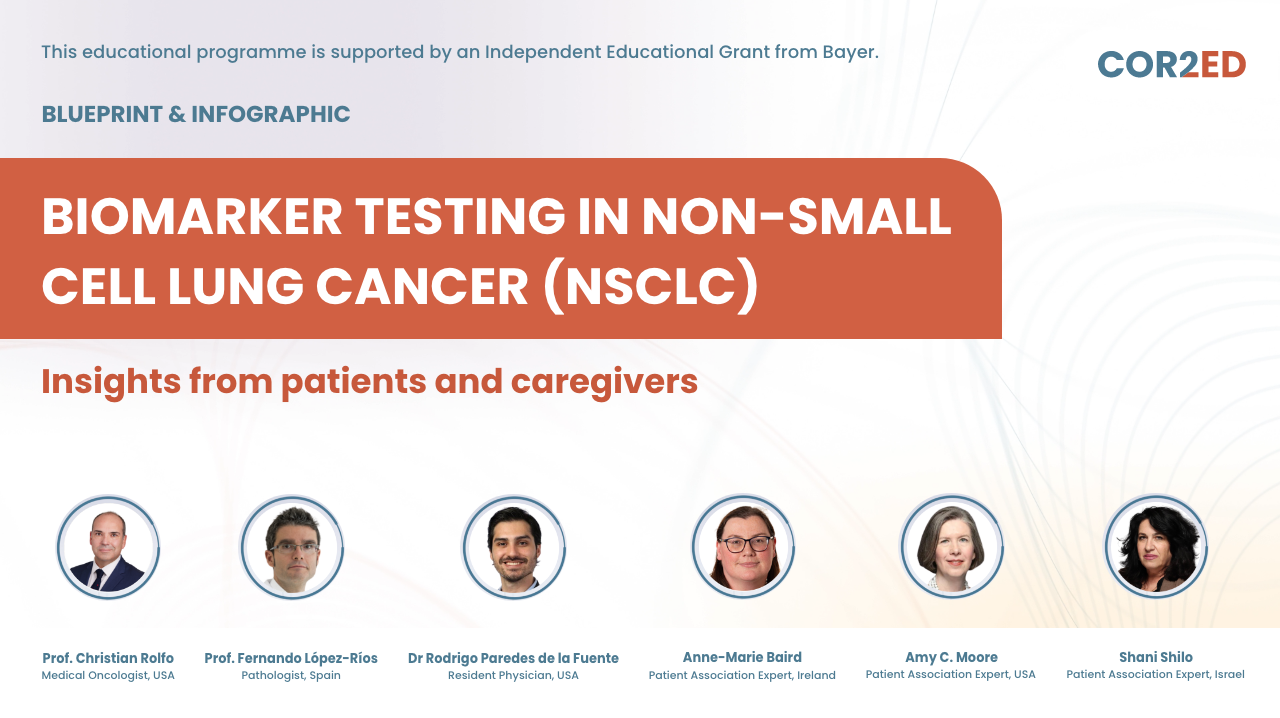
Biomarker testing in non-small cell lung cancer (NSCLC)

Insights from patients and caregivers

Experts
Prof. Christian Rolfo, Prof. Fernando López-Ríos, Dr Rodrigo Paredes de la Fuente, Anne-Marie Baird, Amy C. Moore, Shani Shilo
Endorsed by
LUNGevity The Israeli Lung Cancer Foundation
Biomarker Collaborative NTRKers Lung Cancer Europe
  • download Downloadable
    Resources
  • clock 5 MIN
  • calendar Jul 2026
  • Non-accredited Independent Medical Education

Educational programme supported by an Independent Educational Grant from Bayer.
conference-update Conference update
Oncology Hemato-oncology 
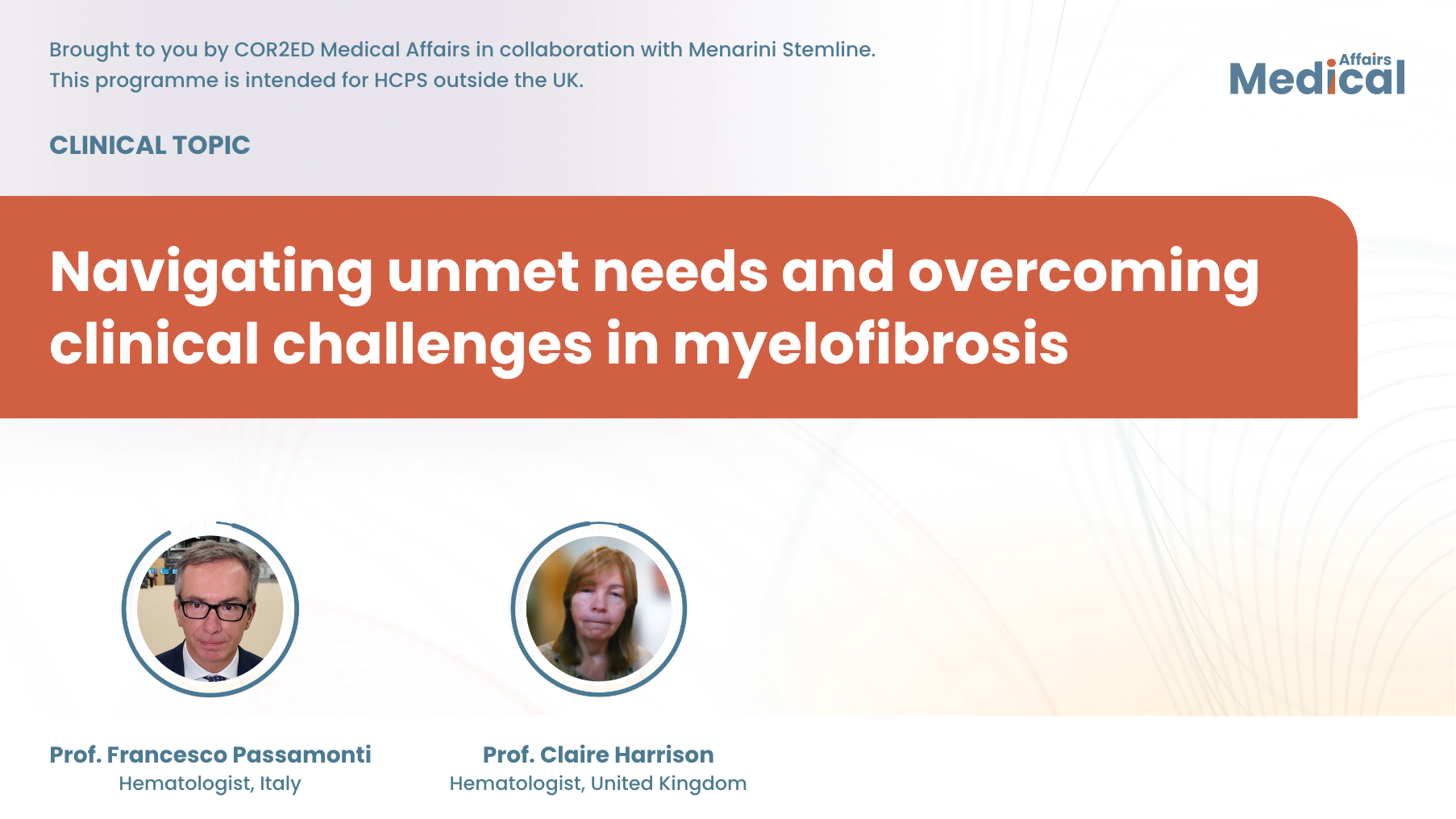
Myelofibrosis: Navigating unmet needs and overcoming clinical challenges

Expert perspectives on clinical trial highlights from EHA 2026

Experts
Prof. Francesco Passamonti, Prof. Claire Harrison
  • download Downloadable
    Resources
  • clock 6 MIN
  • calendar Jul 2026

Brought to you by COR2ED Medical Affairs in collaboration with Menarini Stemline. This programme is intended for HCPS outside the UK. MED---2600258
micro-learning Micro learning - Video, slides and more
Oncology 
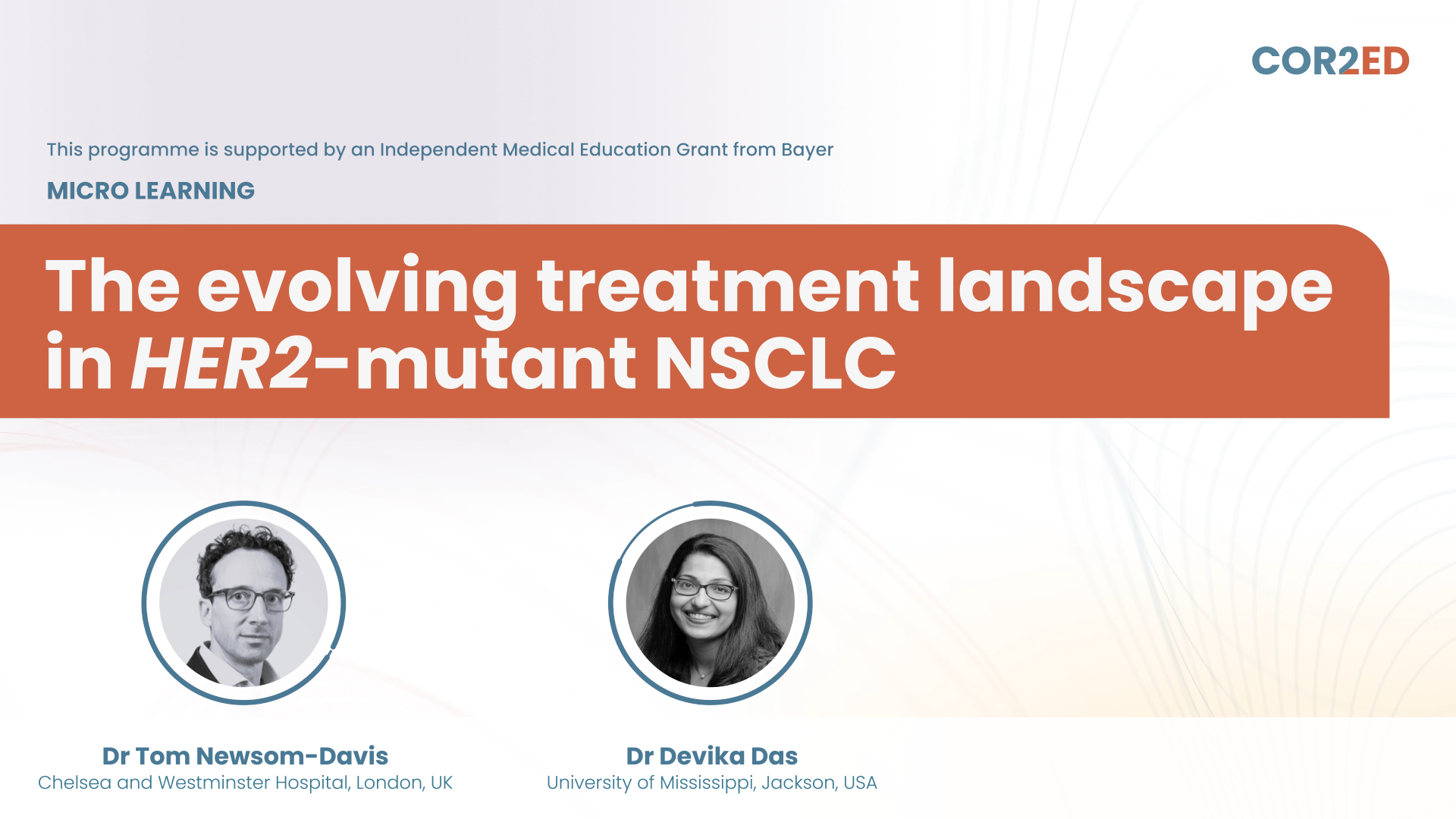
The evolving treatment landscape in HER2-mutant NSCLC

Expert insights on how the latest evidence is shaping clinical practice

Experts
Dr Devika Das, Dr Tom Newsom-Davis
Endorsed by
ICAN international cancer advocacy network Biomarker Collaborative Exon20group
  • download Downloadable
    Resources
  • clock 5 MIN
  • calendar Jul 2026
  • Non-accredited Independent Medical Education

Educational programme supported by an Independent Educational Grant from Bayer