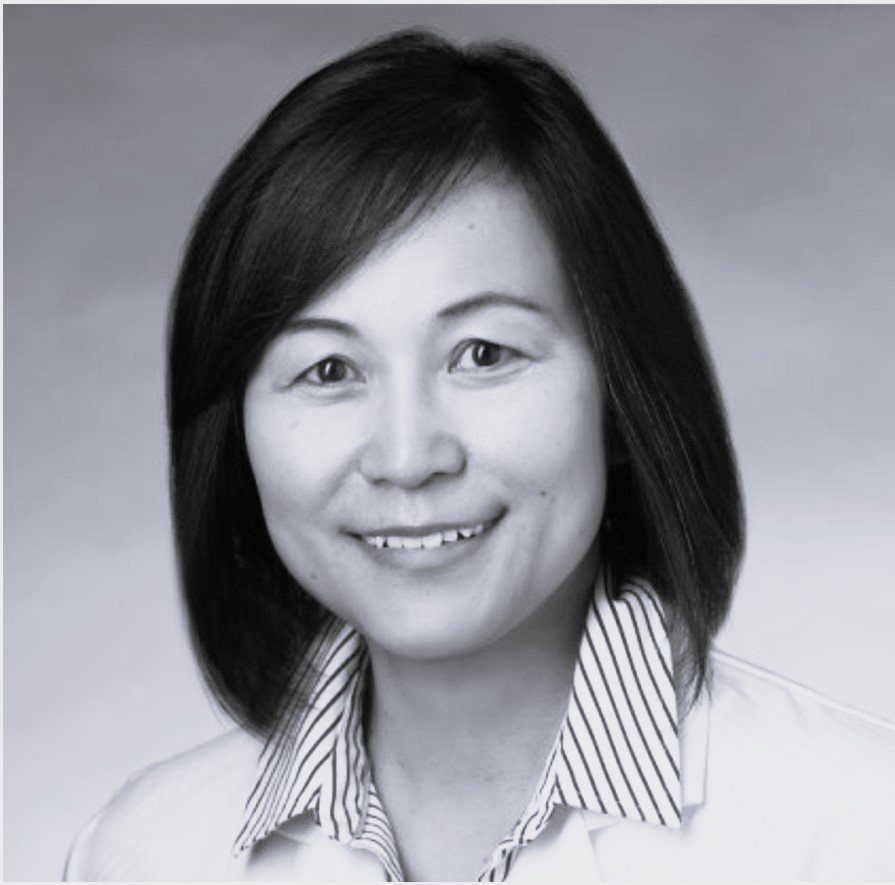
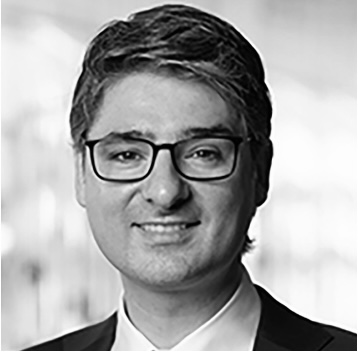
In this micro learning developed by experts Prof. Aiwu Ruth He and Prof. Beau Toskich, you’ll learn about the expanding role of immunotherapy (IO) in hepatocellular carcinoma (HCC) and treatment strategies of combining it with locoregional therapy (LRT) for patients with intermediate HCC.

The module features a concise animated video, downloadable resources, and an assessment to evaluate your understanding. 


Topics  include the following:

  • The role of IO and IO combinations in the systemic treatment landscape for unresectable HCC
  • The scientific rationale for and the expanding role of IO, including multimodal approaches for intermediate HCC
  • The safety and efficacy of IO and IO-based treatments in combination with locoregional therapies
  • The importance of multidisciplinary care to optimise treatment


Micro learning programmes offer concise, easily digestible resources, each lasting under five minutes to watch or read. If you have extra time, complete the short assessment and earn CME credit in just 30 minutes. 


Clinical takeaways

  • IO and IO combinations are transforming the landscape for patients with advanced and intermediate HCC who are not candidates for local therapy, with 1st line options (IMbrave150, HIMALAYA) offering improved long-term outcomes, including 20% survival at 5-years in HIMALAYA
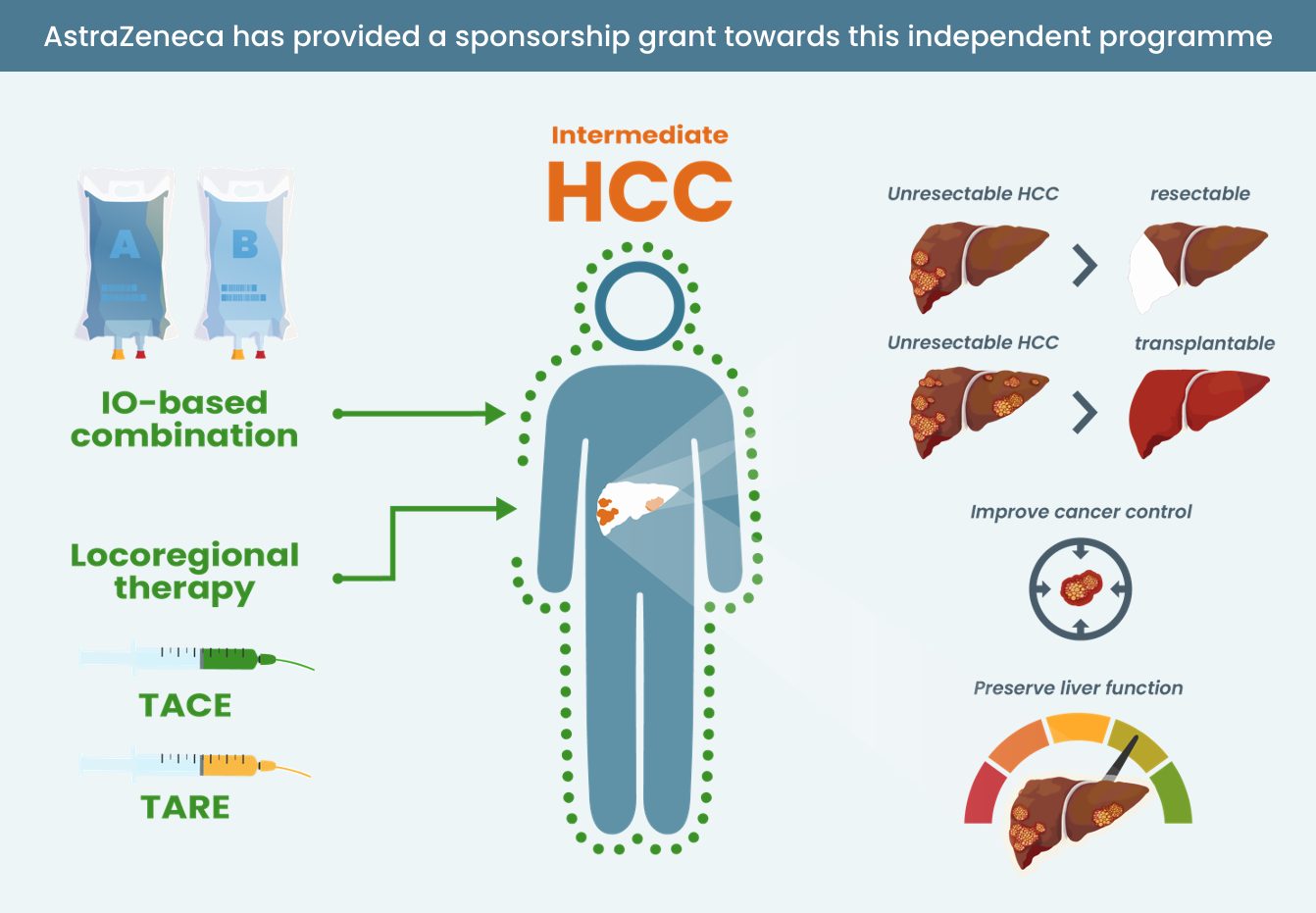
  • Intermediate-stage HCC may benefit from multimodal strategies, combining IO with LRTs to address both visible and invisible disease, enhancing immune response and optimising tumour control
  • IO + LRT combinations, such as TACE plus IO, show promise for patients with intermediate HCC, with positive trials like EMERALD-1 and LEAP-012 demonstrating improved PFS and manageable safety profiles, with ongoing evaluation of OS outcomes
  • A multidisciplinary approach is crucial to determine which patients with intermediate HCC may benefit from multimodal combinations, requiring coordination among oncologists, hepatologists, interventional radiologists, radiation oncologists, and transplant surgeons
  • Understand the role of IO and IO combinations in the systemic treatment landscape for patients with unresectable HCC, including the most recent trial data and guidelines
  • Explore the role of IO for patients with intermediate HCC, including multimodal approaches combining IO with locoregional therapies

Beau Bosko Toskich, M.D., is an interventional radiologist with specialty interest in interventional oncology. His clinical focus includes management of primary and metastatic liver cancer. His research interests include ablative applications of locoregional therapy and immunotherapy. Dr. Toskich has published and presented extensively on liver directed therapy, is the global lead investigator for an international study on combining radioembolizaiton with immunotherapy, has several funded investigator initiated clinical trials, serves on multiple societal and editorial boards, and is regarded as a key opinion leader by the pharmaceutical and medical device industry. He has a joint appointment with both the division of medical oncology and department of radiation oncology.

Prof. Beau Toskich has received financial support/sponsorship for research support, consultation, or speaker fees from the following companies:

AstraZeneca, Boston Scientific, Delcath, Eisai, Galvanize, Genentech, HistoSonics, Johnson & Johnson, Replimune, Sirtex Medical, Terumo, Turnstone Biologics, VIVOS.

Aiwu Ruth He, MD, PhD is a Professor of Medicine at Columbia University Medical Center. She earned her MD from the Xiangya School of Medicine at Central South University and her PhD in Biochemistry from East Carolina University’s Brody School of Medicine. Dr He completed her postdoctoral training at the National Institutes of Health under the mentorship of Dr Simeon Taylor, followed by an internal medicine residency at the Brody School of Medicine and a Hematology/Oncology fellowship at Georgetown University Hospital.


Dr He is a recognized leader in liver cancer research and patient care, with a primary focus on developing innovative therapeutics for hepatocellular carcinoma (HCC) and biliary tract cancer (BTC). 


She is deeply committed to a programmatic, multidisciplinary approach to clinical practice, ensuring optimal outcomes for her patients across the continuum of care.


Outside of her clinical duties, Dr He serves as the Director of Hepatobiliary Cancers in the Department of Medicine, Division of Hematology and Oncology, as well as the Director of Liver Transplant Oncology at the Center for Liver Disease and Transplantation. In these roles, she oversees clinical research on hepatobiliary cancers.


For a list of publications, please visit:

https://pubmed.ncbi.nlm.nih.gov/?term=he%2C+AR+or+He%2C+aiwu

Prof. Aiwu Ruth He has received financial support/sponsorship for research support, consultation, or speaker fees from the following companies:

AstraZeneca, BMS, Boston Scientific, Eisai, Genentech and Merck.

In this micro learning developed by experts Prof. Aiwu Ruth He and Prof. Beau Toskich, you’ll learn about the expanding role of immunotherapy (IO) in hepatocellular carcinoma (HCC) and treatment strategies of combining it with locoregional therapy (LRT) for patients with intermediate HCC.

The module features a concise animated video, downloadable resources, and an assessment to evaluate your understanding. 


Topics  include the following:

  • The role of IO and IO combinations in the systemic treatment landscape for unresectable HCC
  • The scientific rationale for and the expanding role of IO, including multimodal approaches for intermediate HCC
  • The safety and efficacy of IO and IO-based treatments in combination with locoregional therapies
  • The importance of multidisciplinary care to optimise treatment


Micro learning programmes offer concise, easily digestible resources, each lasting under five minutes to watch or read. If you have extra time, complete the short assessment and earn CME credit in just 30 minutes. 


Clinical takeaways

  • IO and IO combinations are transforming the landscape for patients with advanced and intermediate HCC who are not candidates for local therapy, with 1st line options (IMbrave150, HIMALAYA) offering improved long-term outcomes, including 20% survival at 5-years in HIMALAYA
  • Intermediate-stage HCC may benefit from multimodal strategies, combining IO with LRTs to address both visible and invisible disease, enhancing immune response and optimising tumour control
  • IO + LRT combinations, such as TACE plus IO, show promise for patients with intermediate HCC, with positive trials like EMERALD-1 and LEAP-012 demonstrating improved PFS and manageable safety profiles, with ongoing evaluation of OS outcomes
  • A multidisciplinary approach is crucial to determine which patients with intermediate HCC may benefit from multimodal combinations, requiring coordination among oncologists, hepatologists, interventional radiologists, radiation oncologists, and transplant surgeons
  • Understand the role of IO and IO combinations in the systemic treatment landscape for patients with unresectable HCC, including the most recent trial data and guidelines
  • Explore the role of IO for patients with intermediate HCC, including multimodal approaches combining IO with locoregional therapies

Beau Bosko Toskich, M.D., is an interventional radiologist with specialty interest in interventional oncology. His clinical focus includes management of primary and metastatic liver cancer. His research interests include ablative applications of locoregional therapy and immunotherapy. Dr. Toskich has published and presented extensively on liver directed therapy, is the global lead investigator for an international study on combining radioembolizaiton with immunotherapy, has several funded investigator initiated clinical trials, serves on multiple societal and editorial boards, and is regarded as a key opinion leader by the pharmaceutical and medical device industry. He has a joint appointment with both the division of medical oncology and department of radiation oncology.

Prof. Beau Toskich has received financial support/sponsorship for research support, consultation, or speaker fees from the following companies:

AstraZeneca, Boston Scientific, Delcath, Eisai, Galvanize, Genentech, HistoSonics, Johnson & Johnson, Replimune, Sirtex Medical, Terumo, Turnstone Biologics, VIVOS.

Aiwu Ruth He, MD, PhD is a Professor of Medicine at Columbia University Medical Center. She earned her MD from the Xiangya School of Medicine at Central South University and her PhD in Biochemistry from East Carolina University’s Brody School of Medicine. Dr He completed her postdoctoral training at the National Institutes of Health under the mentorship of Dr Simeon Taylor, followed by an internal medicine residency at the Brody School of Medicine and a Hematology/Oncology fellowship at Georgetown University Hospital.


Dr He is a recognized leader in liver cancer research and patient care, with a primary focus on developing innovative therapeutics for hepatocellular carcinoma (HCC) and biliary tract cancer (BTC). 


She is deeply committed to a programmatic, multidisciplinary approach to clinical practice, ensuring optimal outcomes for her patients across the continuum of care.


Outside of her clinical duties, Dr He serves as the Director of Hepatobiliary Cancers in the Department of Medicine, Division of Hematology and Oncology, as well as the Director of Liver Transplant Oncology at the Center for Liver Disease and Transplantation. In these roles, she oversees clinical research on hepatobiliary cancers.


For a list of publications, please visit:

https://pubmed.ncbi.nlm.nih.gov/?term=he%2C+AR+or+He%2C+aiwu

Prof. Aiwu Ruth He has received financial support/sponsorship for research support, consultation, or speaker fees from the following companies:

AstraZeneca, BMS, Boston Scientific, Eisai, Genentech and Merck.

In this micro learning developed by experts Prof. Aiwu Ruth He and Prof. Beau Toskich, you’ll learn about the expanding role of immunotherapy (IO) in hepatocellular carcinoma (HCC) and treatment strategies of combining it with locoregional therapy (LRT) for patients with intermediate HCC.

The module features a concise animated video, downloadable resources, and an assessment to evaluate your understanding. 


Topics  include the following:

  • The role of IO and IO combinations in the systemic treatment landscape for unresectable HCC
  • The scientific rationale for and the expanding role of IO, including multimodal approaches for intermediate HCC
  • The safety and efficacy of IO and IO-based treatments in combination with locoregional therapies
  • The importance of multidisciplinary care to optimise treatment


Micro learning programmes offer concise, easily digestible resources, each lasting under five minutes to watch or read. If you have extra time, complete the short assessment and earn CME credit in just 30 minutes. 


Clinical takeaways

  • IO and IO combinations are transforming the landscape for patients with advanced and intermediate HCC who are not candidates for local therapy, with 1st line options (IMbrave150, HIMALAYA) offering improved long-term outcomes, including 20% survival at 5-years in HIMALAYA
  • Intermediate-stage HCC may benefit from multimodal strategies, combining IO with LRTs to address both visible and invisible disease, enhancing immune response and optimising tumour control
  • IO + LRT combinations, such as TACE plus IO, show promise for patients with intermediate HCC, with positive trials like EMERALD-1 and LEAP-012 demonstrating improved PFS and manageable safety profiles, with ongoing evaluation of OS outcomes
  • A multidisciplinary approach is crucial to determine which patients with intermediate HCC may benefit from multimodal combinations, requiring coordination among oncologists, hepatologists, interventional radiologists, radiation oncologists, and transplant surgeons
  • Understand the role of IO and IO combinations in the systemic treatment landscape for patients with unresectable HCC, including the most recent trial data and guidelines
  • Explore the role of IO for patients with intermediate HCC, including multimodal approaches combining IO with locoregional therapies

Beau Bosko Toskich, M.D., is an interventional radiologist with specialty interest in interventional oncology. His clinical focus includes management of primary and metastatic liver cancer. His research interests include ablative applications of locoregional therapy and immunotherapy. Dr. Toskich has published and presented extensively on liver directed therapy, is the global lead investigator for an international study on combining radioembolizaiton with immunotherapy, has several funded investigator initiated clinical trials, serves on multiple societal and editorial boards, and is regarded as a key opinion leader by the pharmaceutical and medical device industry. He has a joint appointment with both the division of medical oncology and department of radiation oncology.

Prof. Beau Toskich has received financial support/sponsorship for research support, consultation, or speaker fees from the following companies:

AstraZeneca, Boston Scientific, Delcath, Eisai, Galvanize, Genentech, HistoSonics, Johnson & Johnson, Replimune, Sirtex Medical, Terumo, Turnstone Biologics, VIVOS.

Aiwu Ruth He, MD, PhD is a Professor of Medicine at Columbia University Medical Center. She earned her MD from the Xiangya School of Medicine at Central South University and her PhD in Biochemistry from East Carolina University’s Brody School of Medicine. Dr He completed her postdoctoral training at the National Institutes of Health under the mentorship of Dr Simeon Taylor, followed by an internal medicine residency at the Brody School of Medicine and a Hematology/Oncology fellowship at Georgetown University Hospital.


Dr He is a recognized leader in liver cancer research and patient care, with a primary focus on developing innovative therapeutics for hepatocellular carcinoma (HCC) and biliary tract cancer (BTC). 


She is deeply committed to a programmatic, multidisciplinary approach to clinical practice, ensuring optimal outcomes for her patients across the continuum of care.


Outside of her clinical duties, Dr He serves as the Director of Hepatobiliary Cancers in the Department of Medicine, Division of Hematology and Oncology, as well as the Director of Liver Transplant Oncology at the Center for Liver Disease and Transplantation. In these roles, she oversees clinical research on hepatobiliary cancers.


For a list of publications, please visit:

https://pubmed.ncbi.nlm.nih.gov/?term=he%2C+AR+or+He%2C+aiwu

Prof. Aiwu Ruth He has received financial support/sponsorship for research support, consultation, or speaker fees from the following companies:

AstraZeneca, BMS, Boston Scientific, Eisai, Genentech and Merck.

Programme summary
Take the micro learning assessment
Other episodes of this series
The Use of Immunotherapy in HCC

The Use of Immunotherapy in HCC

Module 1: Efficacy and Safety

The Use of Immunotherapy in HCC

The Use of Immunotherapy in HCC

Module 2: In-depth Subgroup Analyses and Challenges

The expanding role of immunotherapy in HCC

The expanding role of immunotherapy in HCC

Module 3: Combining locoregional and systemic treatments in intermediate HCC

Current Module
Navigating advanced HCC: treatment strategies beyond immunotherapy (IO)

Navigating advanced HCC: treatment strategies beyond immunotherapy (IO)

Module 4: Treatment strategies for patients ineligible for IO or those with progression on IO 

Share this programme
AstraZeneca has provided a sponsorship grant towards this independent programme.
Supporter Acknowledgement
AstraZeneca has provided a sponsorship grant towards this independent programme.
Endorsement
I agree that this educational programme:

Was valuable to me

1/4
Brought to you by
HCC CONNECT

HCC CONNECT is an initiative of COR2ED, supported by Independent Educational Grants from AstraZeneca, Bayer and Eisai Europe Limited.

Meet the experts
Brought to you by
GI CONNECT

GI CONNECT is an initiative of COR2ED, supported by Independent Educational Grants from Bayer, Ipsen, BeiGene Europe, Pierre Fabre Laboratories, Amgen and AstraZeneca US.  

Meet the experts Independent IME approved
Programme summary
Take the micro learning assessment
Other episodes of this series
The Use of Immunotherapy in HCC

The Use of Immunotherapy in HCC

Module 1: Efficacy and Safety

The Use of Immunotherapy in HCC

The Use of Immunotherapy in HCC

Module 2: In-depth Subgroup Analyses and Challenges

The expanding role of immunotherapy in HCC

The expanding role of immunotherapy in HCC

Module 3: Combining locoregional and systemic treatments in intermediate HCC

Current Module
Navigating advanced HCC: treatment strategies beyond immunotherapy (IO)

Navigating advanced HCC: treatment strategies beyond immunotherapy (IO)

Module 4: Treatment strategies for patients ineligible for IO or those with progression on IO 

Share this programme
AstraZeneca has provided a sponsorship grant towards this independent programme.
Supporter Acknowledgement
AstraZeneca has provided a sponsorship grant towards this independent programme.
Endorsement
I agree that this educational programme:

Was valuable to me

1/4
Brought to you by
HCC CONNECT

HCC CONNECT is an initiative of COR2ED, supported by Independent Educational Grants from AstraZeneca, Bayer and Eisai Europe Limited.

Meet the experts
Brought to you by
GI CONNECT

GI CONNECT is an initiative of COR2ED, supported by Independent Educational Grants from Bayer, Ipsen, BeiGene Europe, Pierre Fabre Laboratories, Amgen and AstraZeneca US.  

Meet the experts Independent IME approved
Programme summary
Other episodes of this series
The Use of Immunotherapy in HCC

The Use of Immunotherapy in HCC

Module 1: Efficacy and Safety

The Use of Immunotherapy in HCC

The Use of Immunotherapy in HCC

Module 2: In-depth Subgroup Analyses and Challenges

The expanding role of immunotherapy in HCC

The expanding role of immunotherapy in HCC

Module 3: Combining locoregional and systemic treatments in intermediate HCC

Current Module
Navigating advanced HCC: treatment strategies beyond immunotherapy (IO)

Navigating advanced HCC: treatment strategies beyond immunotherapy (IO)

Module 4: Treatment strategies for patients ineligible for IO or those with progression on IO 

Share this programme
This educational programme is supported by an Independent Educational Grant from AstraZeneca has provided a sponsorship grant towards this independent programme.
Supporter Acknowledgement
This educational programme is supported by an Independent Educational Grant from AstraZeneca has provided a sponsorship grant towards this independent programme.
Endorsement
I agree that this educational programme:

Was valuable to me

1/4
Brought to you by
HCC CONNECT

HCC CONNECT is an initiative of COR2ED, supported by Independent Educational Grants from AstraZeneca, Bayer and Eisai Europe Limited.

Meet the experts
Brought to you by
GI CONNECT

GI CONNECT is an initiative of COR2ED, supported by Independent Educational Grants from Bayer, Ipsen, BeiGene Europe, Pierre Fabre Laboratories, Amgen and AstraZeneca US.  

Meet the experts Independent IME approved

Other programmes of interest

podcast Video podcast
Oncology 
Metastatic breast cancer: Understanding HER2-low and HER2-ultralow classification

A novel therapeutic framework 

Experts
Dr Komal Jhaveri, Oncology Brothers (Moderators)
  • download Downloadable
    Resources
  • clock 25 MIN
  • calendar Dec 2025
  • Non-accredited Independent Medical Education

Educational programme supported by an Independent Educational Grant from AstraZeneca 
patient-support Patient Support

Episode

2

of 2

episode
Oncology Endocrinology Rare diseases 
Thriving beyond an EP-NEC diagnosis

Perspectives on treatment and care 

Experts
Jessica Thomas
Endorsed by
NET-Research-Foundation Minkhas mission
  • clock 4 MIN
  • calendar Dec 2025
  • Non-accredited Independent Medical Education

Educational programme supported by an Independent Educational Grant from Boehringer Ingelheim 
patient-support Patient Support

Episode

1

of 2

episode
Oncology Endocrinology Rare diseases 
Navigating extrapulmonary neuroendocrine carcinoma (EP-NEC)

Insights for patients and care partners 

Experts
Meredith Cummins
Endorsed by
INCA
NeuroEndocrine Cancer Australia Neuroendocrine Cancer Foundation NET-Research-Foundation
Neuroendocrine Cancer UK Minkhas mission
  • clock 5 MIN
  • calendar Dec 2025
  • Non-accredited Independent Medical Education

Educational programme supported by an Independent Educational Grant from Boehringer Ingelheim 
eks
EKS / On-demand webinar
Oncology 
ESMO 2025: Gastric and gastroesophageal cancer insights for clinical practice

On-demand materials from an Experts Knowledge Share event

Experts
Dr Elizabeth Smyth, Prof. Aziz Zaanan, Prof. Markus Moehler
Endorsed by
ESDO
Digestive Cancers Europe
ICAN international cancer advocacy network
  • download Downloadable
    Resources
  • clock 67 MIN
  • calendar Dec 2025
  • Non-accredited Independent Medical Education

Educational programme supported by an Independent Educational Grant from Amgen.