Discover insights from the LEVIATHAN study, evaluating lenvatinib versus sorafenib as 2nd line treatment post atezolizumab plus bevacizumab for HCC. In this short expert video, Prof. David Pinato summarises the key findings from the publication and discusses the implications for clinical practice. 


Watch the video for key takeaways, and download the infographic for a quick reference. 


Access the LEVIATHAN publication here: Lombardi P, et al. JHEP Reports. 2025: 101595 


Clinical takeaways

  • Lenvatinib showed improved overall survival compared with sorafenib when used as a 2nd line treatment after disease progression on A+B 
  • The advantages persisted after propensity score matching and in patients with primary resistance to IO-based therapy, challenging the assumption of TKIs equivalence 
  • LEVIATHAN supports lenvatinib as a more effective 2nd line option than sorafenib following atezolizumab + bevacizumab in unresectable HCC, including patients with primary resistance to immunotherapy 
  • Know the latest clinical data of the comparison of 2nd line treatment options following atezolizumab and bevacizumab 1st line in HCC 
  • Be able to place the data into a clinical context, in order to make informed treatment decisions 

Dr David J. Pinato is a Clinician Scientist and Consultant Medical Oncologist working within the Department of Surgery and Cancer at Imperial College in London. 
 
He is Director of Developmental Cancer Therapeutics at Imperial College, where he leads a translational research program focusing on the early clinical implementation of novel experimental anticancer therapies to the clinic, with particular emphasis on anti-cancer immunotherapy. He has led the inception of a portfolio of first-in-class studies of immune checkpoint inhibitors in liver cancer, which has represented David’s focus of research since graduation with highest honours at the University of Piemonte Orientale "A. Avogadro" in Novara, Italy. 
 
David’s group has made significant contributions to the understanding of host mechanisms underpinning response to anti-cancer immunotherapy. 
 
David completed his research training being awarded a Masters of Research in Translational Medicine and a Ph.D. in Clinical and Experimental Medicine. David’s Ph.D. research focused on inflammation as a pathogenic and prognostic mechanism in liver cancer. 
 
Since his graduation, David matured his clinical skills attending several academic institutions in Europe including the University Hospital in Zürich, the Medical University in Vienna and the University of Ioannina in Greece. He completed his core medical training across some of the busiest acute hospitals in London, being elected member of the Royal College of Physicians (MRCP) in 2014. He has trained in Medical Oncology as part of the Royal Marsden Hospital rotation, having migrated to Imperial College in April 2015 to take up a Clinical Lectureship funded by the National Institute for Health Research (NIHR). 
 
In 2018 David was awarded a Clinician Scientist fellowship funded by the Wellcome Trust Strategic Fund centered on the development of immunotherapy in liver cancer. Hepatocellular Carcinoma (HCC) is the most frequently occurring primary liver tumour that currently ranks 5th by incidence and 3rd by mortality on a global scale. David's studies, supported by international collaborations, have led to the qualification of novel prognostic and predictive biomarkers in HCC, which have been published in leading journals in the field including the Journal of Clinical Oncology, Annals of Oncology, Hepatology and many others. 
 
In 2022 David was promoted Clinical Reader in Medical Oncology. 
 
David's research efforts in liver cancer have been recognized with the prestigious EASL Emerging Leader Award in 2023. David was three time recipient of a Merit Award from the American Society of Clinical Oncology (ASCO) in 2016, 2017, 2019 as well as a fourth Merit Award jointly awarded by ASCO and by the Society for Immunotherapy of Cancer (SITC) in 2019. 
 
David is also a recipient of the ASCO Global Oncology Young Investigator Award 2019 in recognition of his research on HIV-associated hepatocellular cancer. David was also awarded a prize by the British Society of Pharmacology in 2018, the Sylvia Lawler Prize in Oncology from the Royal Society of Medicine in 2016, the European School of Oncology fellowship in 2008 and the Fulbright Visiting Research Scholar Fellowship for 2010/2011. 
 
David lectures internationally in the field of molecular oncology with a specific interest in HCC and acts as a reviewer for a number of peer-reviewed journals including The Lancet, Cancer Discovery, Hepatology, Journal of Hepatology, Oncogene, Gut and many others. He has acted as peer reviewer for a number of grant awarding bodies including the MRC, Breast Cancer Now and Cancer Research UK. 
 
Google Scholar: https://scholar.google.com/citations?user=5YOV0hEAAAAJ&hl=en 

Prof. David J. Pinato has received financial support/sponsorship for research support, consultation, or speaker fees from the following companies:

Mina Therapeutics, EISAI, Roche, Avamune, DaVolterra, Mursla, H3B, Ipsen, Boston Scientific, Starpharma, Exact Sciences and AstraZeneca

Discover insights from the LEVIATHAN study, evaluating lenvatinib versus sorafenib as 2nd line treatment post atezolizumab plus bevacizumab for HCC. In this short expert video, Prof. David Pinato summarises the key findings from the publication and discusses the implications for clinical practice. 


Watch the video for key takeaways, and download the infographic for a quick reference. 


Access the LEVIATHAN publication here: Lombardi P, et al. JHEP Reports. 2025: 101595


Clinical takeaways

  • Lenvatinib showed improved overall survival compared with sorafenib when used as a 2nd line treatment after disease progression on A+B 
  • The advantages persisted after propensity score matching and in patients with primary resistance to IO-based therapy, challenging the assumption of TKIs equivalence 
  • LEVIATHAN supports lenvatinib as a more effective 2nd line option than sorafenib following atezolizumab + bevacizumab in unresectable HCC, including patients with primary resistance to immunotherapy 
  • Know the latest clinical data of the comparison of 2nd line treatment options following atezolizumab and bevacizumab 1st line in HCC 
  • Be able to place the data into a clinical context, in order to make informed treatment decisions 

Dr David J. Pinato is a Clinician Scientist and Consultant Medical Oncologist working within the Department of Surgery and Cancer at Imperial College in London. 
 
He is Director of Developmental Cancer Therapeutics at Imperial College, where he leads a translational research program focusing on the early clinical implementation of novel experimental anticancer therapies to the clinic, with particular emphasis on anti-cancer immunotherapy. He has led the inception of a portfolio of first-in-class studies of immune checkpoint inhibitors in liver cancer, which has represented David’s focus of research since graduation with highest honours at the University of Piemonte Orientale "A. Avogadro" in Novara, Italy. 
 
David’s group has made significant contributions to the understanding of host mechanisms underpinning response to anti-cancer immunotherapy. 
 
David completed his research training being awarded a Masters of Research in Translational Medicine and a Ph.D. in Clinical and Experimental Medicine. David’s Ph.D. research focused on inflammation as a pathogenic and prognostic mechanism in liver cancer. 
 
Since his graduation, David matured his clinical skills attending several academic institutions in Europe including the University Hospital in Zürich, the Medical University in Vienna and the University of Ioannina in Greece. He completed his core medical training across some of the busiest acute hospitals in London, being elected member of the Royal College of Physicians (MRCP) in 2014. He has trained in Medical Oncology as part of the Royal Marsden Hospital rotation, having migrated to Imperial College in April 2015 to take up a Clinical Lectureship funded by the National Institute for Health Research (NIHR). 
 
In 2018 David was awarded a Clinician Scientist fellowship funded by the Wellcome Trust Strategic Fund centered on the development of immunotherapy in liver cancer. Hepatocellular Carcinoma (HCC) is the most frequently occurring primary liver tumour that currently ranks 5th by incidence and 3rd by mortality on a global scale. David's studies, supported by international collaborations, have led to the qualification of novel prognostic and predictive biomarkers in HCC, which have been published in leading journals in the field including the Journal of Clinical Oncology, Annals of Oncology, Hepatology and many others. 
 
In 2022 David was promoted Clinical Reader in Medical Oncology. 
 
David's research efforts in liver cancer have been recognized with the prestigious EASL Emerging Leader Award in 2023. David was three time recipient of a Merit Award from the American Society of Clinical Oncology (ASCO) in 2016, 2017, 2019 as well as a fourth Merit Award jointly awarded by ASCO and by the Society for Immunotherapy of Cancer (SITC) in 2019. 
 
David is also a recipient of the ASCO Global Oncology Young Investigator Award 2019 in recognition of his research on HIV-associated hepatocellular cancer. David was also awarded a prize by the British Society of Pharmacology in 2018, the Sylvia Lawler Prize in Oncology from the Royal Society of Medicine in 2016, the European School of Oncology fellowship in 2008 and the Fulbright Visiting Research Scholar Fellowship for 2010/2011. 
 
David lectures internationally in the field of molecular oncology with a specific interest in HCC and acts as a reviewer for a number of peer-reviewed journals including The Lancet, Cancer Discovery, Hepatology, Journal of Hepatology, Oncogene, Gut and many others. He has acted as peer reviewer for a number of grant awarding bodies including the MRC, Breast Cancer Now and Cancer Research UK. 
 
Google Scholar: https://scholar.google.com/citations?user=5YOV0hEAAAAJ&hl=en 

Prof. David J. Pinato has received financial support/sponsorship for research support, consultation, or speaker fees from the following companies:

Mina Therapeutics, EISAI, Roche, Avamune, DaVolterra, Mursla, H3B, Ipsen, Boston Scientific, Starpharma, Exact Sciences and AstraZeneca

Programme summary
Watch the video now
Share this programme
This programme is supported by an independent educational grant from Eisai Europe Limited. Eisai Europe Limited has financially supported this activity and has had no influence on its creation or content. This content is intended for HCPs only. 
Supporter Acknowledgement
This programme is supported by an independent educational grant from Eisai Europe Limited. Eisai Europe Limited has financially supported this activity and has had no influence on its creation or content. This content is intended for HCPs only. 
Endorsement
I agree that this educational programme:

Was valuable to me

1/4
Brought to you by
HCC CONNECT

HCC CONNECT is an initiative of COR2ED, supported by Independent Educational Grants from AstraZeneca, Bayer and Eisai Europe Limited.

Meet the experts
Brought to you by
GI CONNECT

GI CONNECT is an initiative of COR2ED, supported by Independent Educational Grants from Bayer, Ipsen, BeiGene Europe, Pierre Fabre Laboratories, Amgen and AstraZeneca US.  

Meet the experts Independent IME approved
Programme summary
Share this programme
This programme is supported by an independent educational grant from Eisai Europe Limited. Eisai Europe Limited has financially supported this activity and has had no influence on its creation or content. This content is intended for HCPs only. 
Supporter Acknowledgement
This programme is supported by an independent educational grant from Eisai Europe Limited. Eisai Europe Limited has financially supported this activity and has had no influence on its creation or content. This content is intended for HCPs only. 
Endorsement
I agree that this educational programme:

Was valuable to me

1/4
Brought to you by
HCC CONNECT

HCC CONNECT is an initiative of COR2ED, supported by Independent Educational Grants from AstraZeneca, Bayer and Eisai Europe Limited.

Meet the experts
Brought to you by
GI CONNECT

GI CONNECT is an initiative of COR2ED, supported by Independent Educational Grants from Bayer, Ipsen, BeiGene Europe, Pierre Fabre Laboratories, Amgen and AstraZeneca US.  

Meet the experts Independent IME approved

Other programmes of interest

symposium Masterclass / Symposium
Oncology 
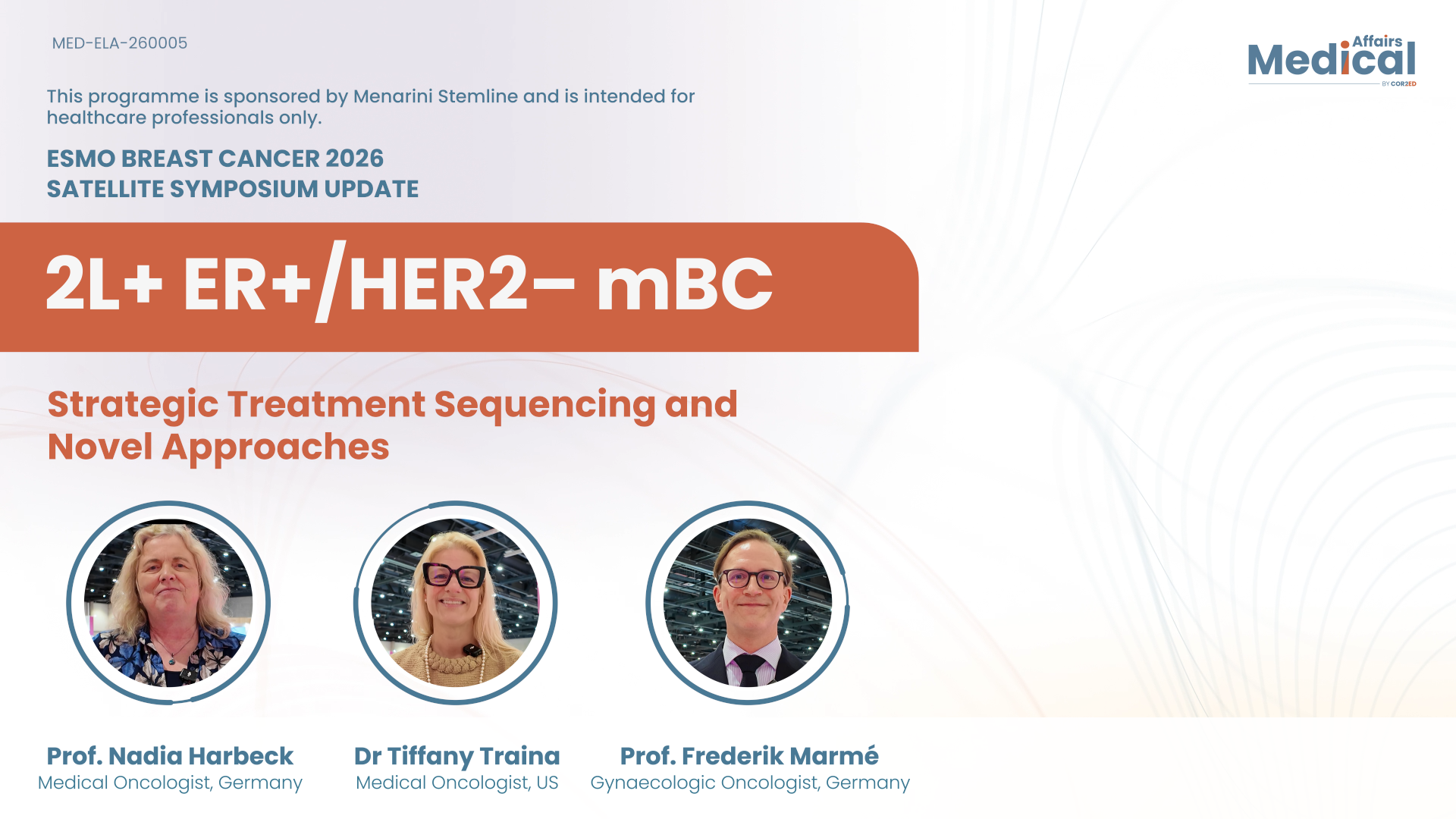
ER+/HER2- metastatic breast cancer: ESMO Breast Cancer 2026 Satellite Symposium highlights

Experts discuss 2nd line+ treatment strategies in endocrine therapy-eligible patients

Experts
Prof. Nadia Harbeck, Dr Tiffany Traina, Prof. Frederik Marmé
  • download Downloadable
    Resources
  • clock 6 MIN
  • calendar Jun 2026

This programme has been sponsored by Menarini Stemline and is intended for HCPs only.
conference-update Conference update
Oncology 
Highlights from ASCO 2026

Expert insights on the latest data

Experts
Dr Herbert Loong, Dr Isabel Preeshagul, Prof. Mark Socinski, Prof. Evan Yu, Prof. Hans Prenen, Dr Paolo Tarantino
  • download Downloadable
    Resources
  • clock 4 MIN
  • calendar Jun 2026
  • Non-accredited Independent Medical Education

Infographic / Flashcard
Oncology Rare diseases 
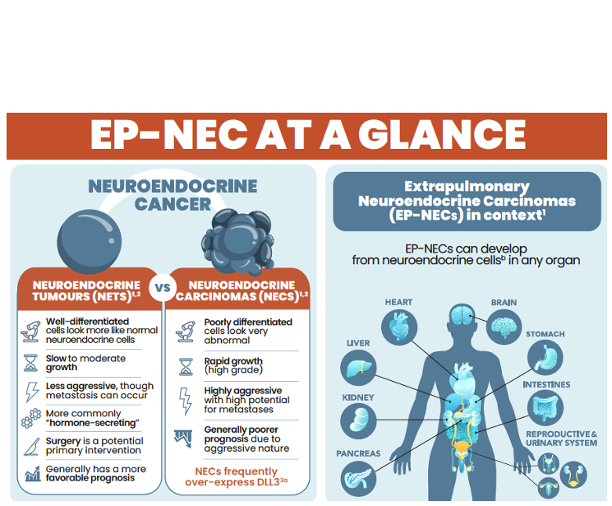
EP-NEC at a glance

Understanding EP-NEC, emerging treatments, and patient care strategies

Experts
Meredith Cummins
  • download Downloadable
    Resources
  • clock 1 MIN
  • calendar May 2026

This programme has been sponsored by Boehringer Ingelheim
eks
EKS / On-demand webinar
Oncology 
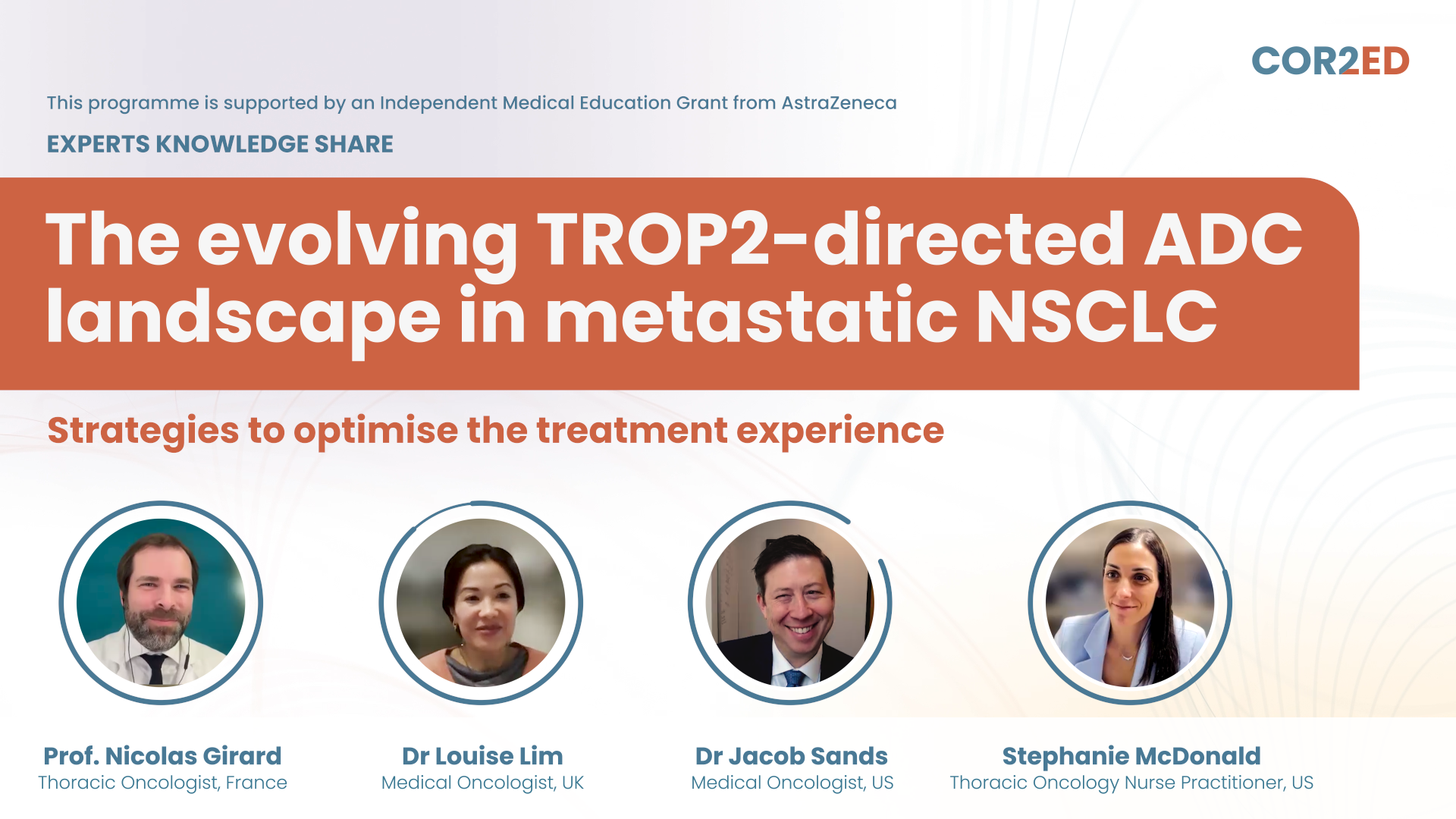
The evolving TROP2-directed ADC landscape in metastatic NSCLC

Strategies to optimise the treatment experience

Experts
Prof. Nicolas Girard, Dr Louise Lim, Dr Jacob Sands, Mrs Stephanie McDonald
Endorsed by
Exon20group Biomarker Collaborative ICAN international cancer advocacy network
  • download Downloadable
    Resources
  • clock 58 MIN
  • calendar May 2026
  • Non-accredited Independent Medical Education

Educational programme supported by an Independent Educational Grant from AstraZeneca
conference-update Conference update
Oncology 
Oncogene-addicted NSCLC highlights from ELCC 2026

Expert insights on the latest NSCLC data

Experts
Prof. Nicolas Girard
Endorsed by
ICAN international cancer advocacy network Biomarker Collaborative Exon20group
ISLB Lung Cancer Europe
  • download Downloadable
    Resources
  • clock 4 MIN
  • calendar Mar 2026
  • Non-accredited Independent Medical Education

Educational programme supported by an Independent Educational Grant from Bayer.
podcast Video podcast
Oncology 
Pre-analytical phase challenges and biomarker testing in HER2+ metastatic breast cancer

Experts
Dr Carlos Barrios, Prof. Gary Tse, Oncology Brothers (Moderators)
Endorsed by
Biomarker Collaborative
  • download Downloadable
    Resources
  • clock 23 MIN
  • calendar Mar 2026
  • Non-accredited Independent Medical Education

Educational programme supported by an Independent Educational Grant from Daiichi Sankyo